Ukraine charges 27 people over falsified tirzepatide drug sold as Biopatid
Ukrainian officials say a fake tirzepatide drug was made in an unregulated lab and sold through clinics and social media, showing how unapproved GLP-1 copies reach patients.
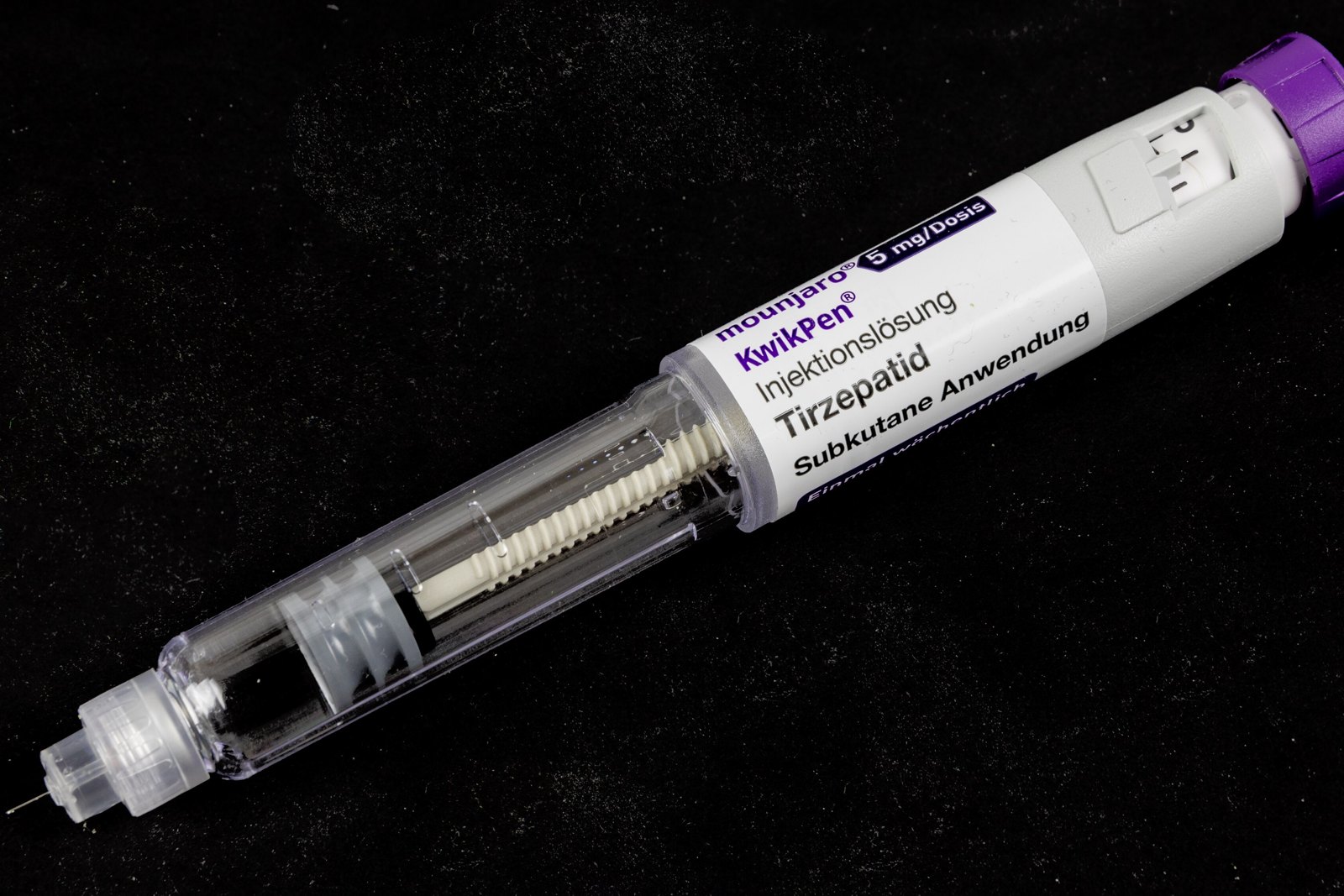
Ukrainian prosecutors and the Security Service of Ukraine (SSU) said they served notices of suspicion on 27 people over an organized operation that made and sold a falsified weight-loss drug called "Biopatid" across the country [1]. The product's active ingredient was tirzepatide — the same molecule sold in the United States as Mounjaro and Zepbound [1][2].
The notices were filed under Part 3 of Article 28 and Part 2 of Article 321-1 of Ukraine's Criminal Code, which cover production, transportation, shipment and storage for the purpose of selling knowingly falsified medicines [1]. Ukrainian law presumes a person innocent until guilt is proven by a court verdict [1].
How authorities say the operation worked
According to the Prosecutor General's office, the organizer set up an underground laboratory after concluding there was high demand for weight-loss drugs and a high price for tirzepatide [1]. The main active ingredient, described as tirzepatide of unknown origin, was imported from China, and a controlled customs broker declared it as a food additive to get it past customs controls, the office said [1].
The raw material was then mixed with other components in the underground lab, which prosecutors said did not meet proper sanitary and technological requirements. Finished doses were shipped to customers without the required temperature controls [1].
Prosecutors said the basic materials cost about $17, while the finished drug sold for up to $1,200. Since the start of this year, products worth more than $5 million were manufactured, they said [1].
Among those notified of suspicion were the organizer and owner of the underground laboratory, the owner of a well-known Kyiv clinic that promoted the drug, a customs broker, laboratory employees, packers, sales and advertising managers, and other participants, according to the office [1]. Prosecutors said the clinic owner promoted the product to colleagues, at specialized trainings and on social media, and that the group built a website and social media pages and pitched the drug to cosmetology offices, clinics and medical workers, as well as to bloggers, actors and other public figures [1].
The office also said participants knew about adverse reactions in consumers but continued selling instead of stopping. It did not describe those reactions or say how many people reported them [1].
Law enforcement carried out more than 250 authorized searches at manufacturing, storage and sales sites, as well as in hospitals and cosmetology offices, across Kyiv and the Kyiv region, Dnipro, Zaporizhzhia, Odesa, Poltava, Vinnytsia, Zhytomyr, Mykolaiv, Rivne, Kharkiv, Khmelnytskyi and Chernihiv [1]. Seized items included falsified drugs and raw materials, underground laboratory equipment, packaging and printed materials, documentation, mobile phones, computer equipment, cash in various currencies totaling almost 15 million hryvnias, expensive cars and other property [1]. No exchange rate was given.
The case reflects a wider pattern. In Brazil, compounded and smuggled weight-loss products account for about 51% of an estimated $7 billion market, according to reporting on Brazilian customs data, and authorities seized more than 76,000 injection pens, vials and other weight-loss products containing semaglutide or tirzepatide in the first half of 2026 — nearly three times the total for all of 2025 [2]. Brazilian authorities have reported 83 deaths and more than 3,600 health complications tied to weight-loss products since 2018, though those figures cover different products and circumstances and do not mean every case involved smuggled medicine [2].
Why it matters for patients
Approved tirzepatide products are sold in the US as Mounjaro and Zepbound, and semaglutide as Ozempic and Wegovy [2]. Drugs made outside regulated supply chains, like the one described in Ukraine, are not covered by those approvals and have not gone through the same checks for identity, strength, sterility or storage conditions [1][2].
Tirzepatide and semaglutide products require appropriate storage and handling, and doses are normally adjusted under medical supervision. Brazilian doctors described patients who needed intensive care or developed severe gastrointestinal symptoms after using weight-loss products bought outside the formal health system [2].
There is no indication in the Ukrainian case that the drug reached the United States. Whether any US patients used it has not been reported, and the investigation has not yet identified the full circle of people who may have been harmed [1].
What happens next
Prosecutors said they are deciding on preventive measures for all 27 suspects, and the pre-trial investigation continues [1]. Authorities said they are still establishing the raw material supply channels, the volumes manufactured and sold, and who may have been affected [1]. No court dates or timelines have been announced.
Images from the sources
Sources
Semaglutides.org provides information only, not medical advice. Talk to a licensed provider about your own care before making changes. Some telehealth links are affiliate links and are labeled where they appear.