FDA finds black mold and filth at two Chinese plants making compounded GLP-1 ingredients
FDA inspection reports dated October 15, 2026 document black mold, “gross contamination” and hidden paperwork at two Chinese plants making components for compounded GLP-1 drugs.
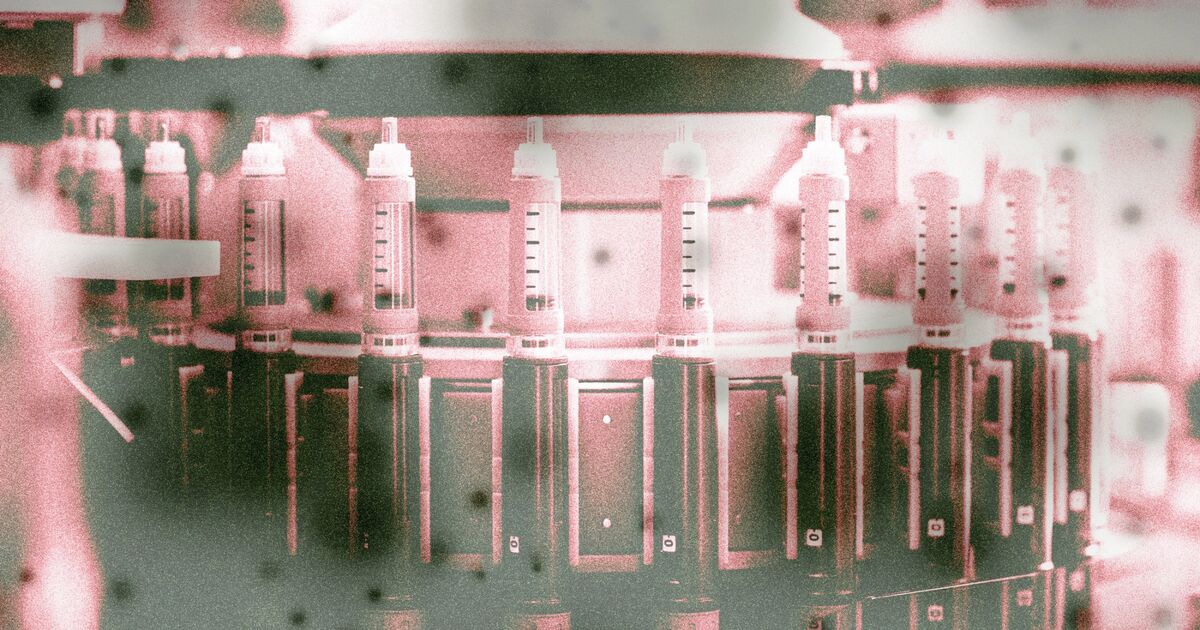
FDA inspectors documented black mold on equipment and “gross contamination” on floors at one of two plants in China that make key components for compounded GLP-1 drugs, according to inspection reports obtained through a Freedom of Information Act request and dated October 15, 2026 [1].
At that plant, inspectors also caught employees trying to hide paperwork and “furtively” pouring out product samples, Bloomberg reported [1]. At the second plant, inspectors found evidence of bogus documentation [1]. Bloomberg described the conditions at both facilities as “egregious” [1]. The findings involve ingredients for compounded semaglutide and tirzepatide [1].
The documents released under the public-records request do not name the two plants or the companies that operate them, and they do not identify which specific components are made at either site [1]. It has not been reported whether material from either plant reached finished compounded medicines, whether any of it was dispensed to patients in the United States, or when the inspections took place [1]. The reports do not state whether testing found contamination in finished ingredients or finished medicines, or whether any illness has been linked to either facility [1]. They also do not disclose whether the FDA has issued warning letters or import alerts, or taken other enforcement action in response to what inspectors found [1]. The reports do not say how long the conditions had been present or whether either plant has responded [1].
The reports are dated October 15, 2026, the same day Bloomberg published its account of them, and they became public through a Freedom of Information Act request [1]. They concern plants that make key components for compounded GLP-1 drugs popular in America [1].
Why it matters for patients
The findings sit at the ingredient end of the supply chain for compounded GLP-1 drugs, a category the reports describe as popular in the United States [1]. Two practical points follow.
Because the reports do not identify the plants or the components, a patient who uses a compounded semaglutide or tirzepatide cannot tell from these documents whether material from either facility is in a product they have on hand [1].
The reports also describe what inspectors observed during visits. They do not establish that any finished ingredient, compounded dose or medicine was contaminated, and they do not link the findings to a specific pharmacy, product or patient [1].
What happens next
No next steps have been disclosed. The reports do not give a schedule for follow-up inspections, a deadline for the plants to fix the problems, or any pending enforcement action [1]. No recall, suspension or import restriction tied to either plant has been reported [1].
Sources
Semaglutides.org provides information only, not medical advice. Talk to a licensed provider about your own care before making changes. Some telehealth links are affiliate links and are labeled where they appear.