Novo and Nordisk merge to form Novo Nordisk A/S
In 1989, Denmark's Novo Industri and Nordisk Gentofte merged to form Novo Nordisk A/S, the deal that built the company now behind Ozempic and Wegovy [1].
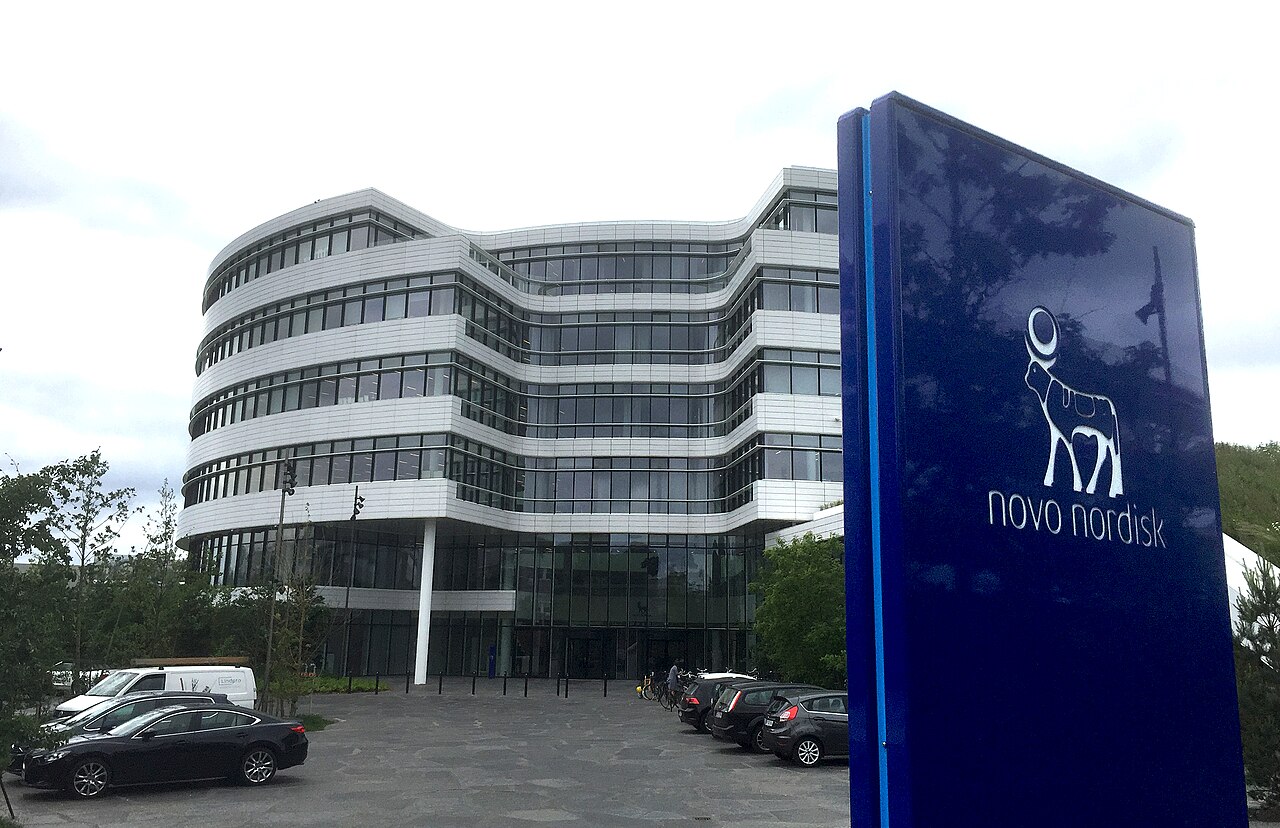
Novo Nordisk A/S was created in 1989 when two long-running Danish rivals, Novo Industri A/S and Nordisk Gentofte A/S, combined into a single company [1]. At the time of the merger, the new firm became the world's largest producer of insulin, with headquarters in Bagsværd, near Copenhagen [1].
The two companies had competed for decades before joining forces. Novo traced its roots to Novo Terapeutisk Laboratorium, founded in 1925 by brothers Harald and Thorvald Pedersen, who had previously worked at Nordisk [1]. Nordisk's own history went back further, to 1924, when physiologist August Krogh and physician Hans Christian Hagedorn set up Nordisk Insulin Laboratorium after Krogh secured permission to produce insulin in Denmark following a 1923 meeting with the scientists who discovered the hormone in Canada [1]. The two firms operated as separate, competing insulin makers for roughly six decades before the 1989 merger brought them under one roof [1].
The merger came a few years after the company had already begun expanding beyond Denmark. Novo entered the US market in 1982 through a joint venture with Squibb Corporation and moved into Canada in 1984 [1]. In 1985, the pre-merger Novo introduced the Novopen, described as the first insulin pen device, a step that changed how patients injected insulin [1].
Today, the company that resulted from that 1989 combination is known globally not just for insulin but for the GLP-1 medicines Ozempic, Wegovy, and other products listed among its current offerings [1]. According to the source, Novo Nordisk reported 2024 net sales of $42.121 billion and, as of the most recent figures cited, revenue of 309.1 billion Danish kroner, operating income of 127.7 billion kroner, and net income of 102.4 billion kroner [1]. The company employs more than 48,000 people worldwide and sells products in 168 countries, according to the source [1]. It is majority controlled by Novo Holdings A/S, itself wholly owned by the Novo Nordisk Foundation, which the source says holds about 28.1% of shares and 77.1% of voting shares [1].
Why it matters for patients
This is a corporate history note, not a clinical development, but it explains where the company behind some of today's most talked-about weight-loss and diabetes drugs came from. The 1989 merger consolidated two Danish insulin makers into the single entity that later developed semaglutide, the active ingredient in Ozempic and Wegovy [1]. Understanding that Novo Nordisk has been making insulin and diabetes therapies for a century, not just GLP-1 drugs for a few years, may help patients weigh the company's track record when they consider its newer products. The source does not describe any effect on drug pricing, supply, or access tied specifically to the 1989 merger, so patients should not read practical, present-day consequences into a decades-old corporate reorganization.
What happens next
The source provided does not include a forward-looking timeline tied to the 1989 merger itself. It does note that Novo Nordisk's market capitalization exceeded the size of Denmark's domestic economy in 2023 and that the company is described as the highest-valued company in Europe, but no future dated milestones related to the merger are given in this source [1]. Readers interested in how the merged company evolved into today's GLP-1 manufacturer would need additional sourcing not included here.
Sources
Semaglutides.org is for information only and is not medical advice. Always talk to a licensed healthcare provider about your own care. Some links to telehealth services are affiliate links, labeled where they appear.