Novozymes spun out of Novo Nordisk
Novo Nordisk's decades-old enzyme unit, Novozymes, remains linked to the same foundation that controls Ozempic and Wegovy maker Novo Nordisk, a structure that shapes how the company is run.
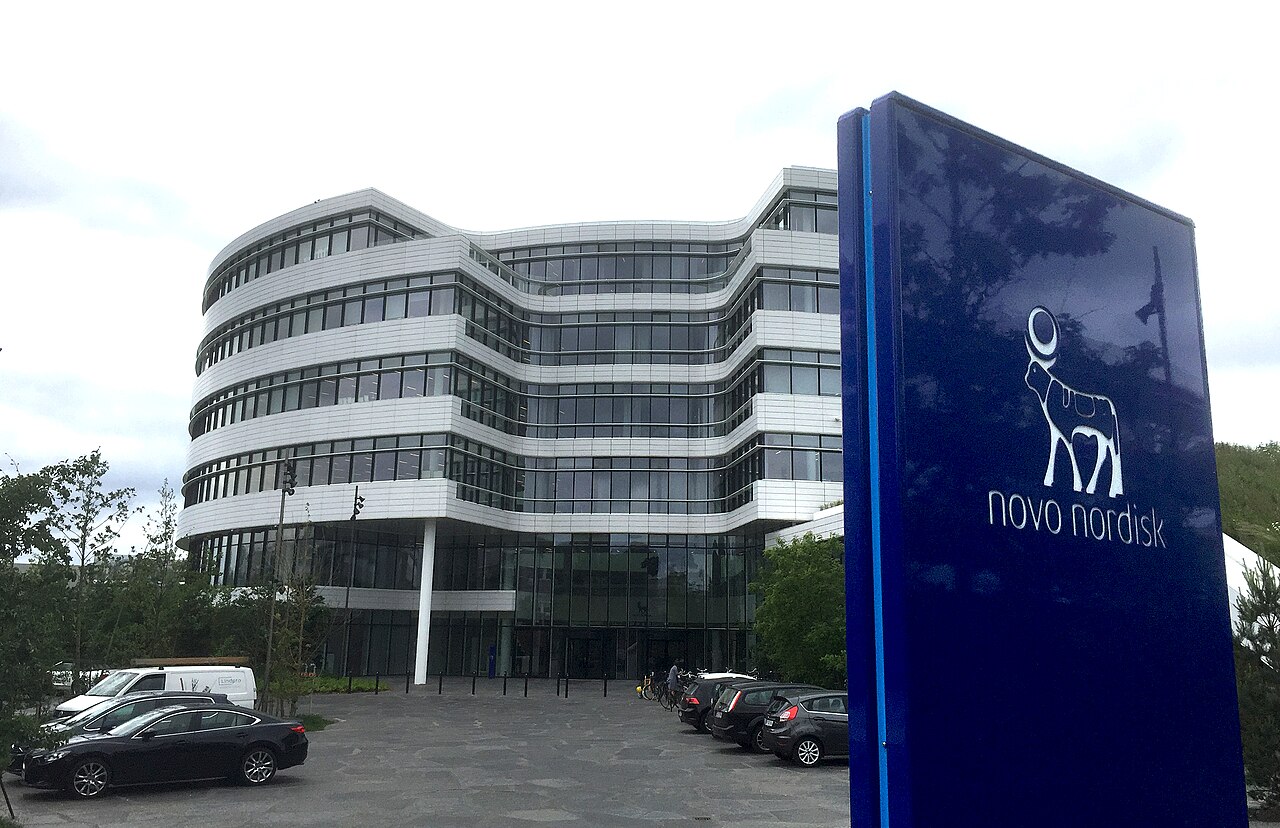
Novo Nordisk, the Danish company behind semaglutide products Ozempic, Wegovy and Rybelsus, once ran an industrial enzymes business that was spun out as its own company, Novozymes [1]. That spin-off is cited as an early move in a corporate history that traces back to the 1920s, when two separate Danish firms began making insulin before merging in 1989 to form Novo Nordisk A/S [1]. The available source material does not spell out the exact 2000 spin-off date or confirm that Novozymes was later renamed Novonesis; those specific details are not confirmed in the source used for this story.
What is confirmed is the ownership structure that ties Novo Nordisk and its former enzyme unit together. Novo Nordisk is controlled by Novo Holdings A/S, which is wholly owned by the Novo Nordisk Foundation [1]. Novo Holdings owns about 28.1% of Novo Nordisk's shares but holds 77.1% of its voting shares, giving the foundation effective control over company decisions [1]. The foundation traces its own roots to 1927, when it received tax-exempt status by royal decree after being set up alongside one of the original insulin companies [1].
Novo Nordisk has grown into one of Europe's largest pharmaceutical companies. In 2025, the company reported revenue of 309.1 billion Danish kroner, operating income of 127.7 billion kroner, and net income of 102.4 billion kroner, with total assets of 542.9 billion kroner [1]. The company employed 68,794 people in 2025 and sold products, including diabetes and obesity drugs, in 168 countries as of 2021 figures cited in the source [1]. Novo Nordisk's market capitalization exceeded the size of Denmark's entire domestic economy in 2023, and it has been described as the highest-valued company in Europe [1].
The source also notes that Novozymes was recognized separately for corporate responsibility. In January 2012, the business magazine Corporate Knights named Novo Nordisk the most sustainable company in the world, while ranking spin-off Novozymes fourth on the same list [1].
Why it matters for patients
For people taking or considering semaglutide products like Ozempic, Wegovy or Rybelsus, this corporate history mostly matters as background. It shows that Novo Nordisk operates under a governance structure where a nonprofit foundation, through Novo Holdings, holds the deciding vote on major company decisions, even though outside investors own most of the shares [1]. That kind of foundation control is sometimes cited as giving a company more room to plan for the long term rather than react to quarterly investor pressure, though the source provided does not draw that conclusion directly or compare it with how other drugmakers are structured.
Patients paying for these medications are unlikely to notice any direct effect from the enzyme business or its spin-off. The connection is corporate lineage, not a factor in drug pricing, supply, or safety. Novo Nordisk's insulin and GLP-1 medicines are developed and sold through the pharmaceutical company itself, and the source does not indicate that Novozymes or its later corporate form plays any role in manufacturing or supplying semaglutide products.
What this history does underline is the scale of the company behind these drugs. With tens of thousands of employees and tens of billions of dollars in annual profit, Novo Nordisk has substantial resources for research, manufacturing capacity, and marketing, all of which can affect how quickly new formulations reach pharmacies and how available existing ones remain [1]. Beyond that, the specific fate of the Novozymes spin-off, including any later name change, is not detailed in the sources available for this story.
Sources
Semaglutides.org is for information only and is not medical advice. Always talk to a licensed healthcare provider about your own care. Some links to telehealth services are affiliate links, labeled where they appear.