Berberine matches metformin on glucose control in a 36-patient pilot
A small 2008 study found berberine, a plant compound, worked about as well as metformin for blood sugar in newly diagnosed type 2 diabetes, and that single 36-person trial still shows up in "natural Ozempic" marketing today.
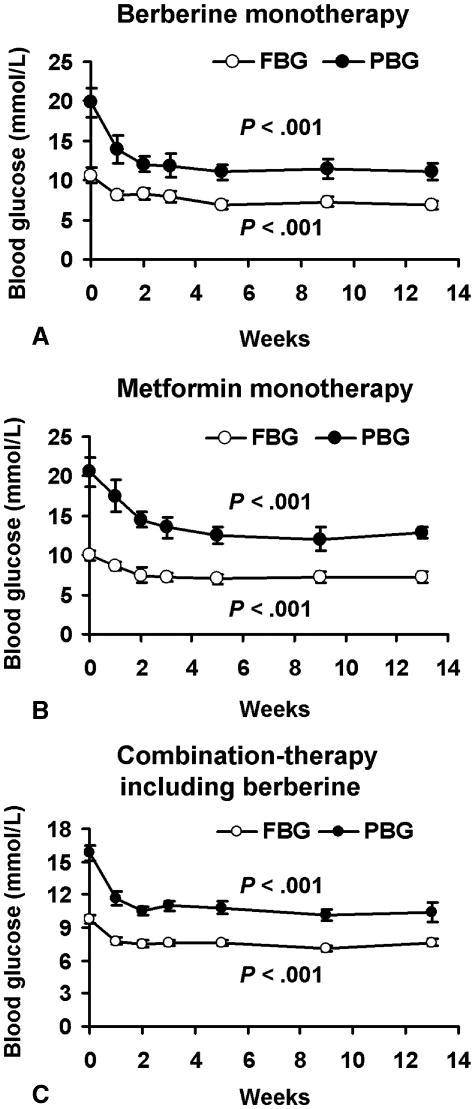
A pilot study published in the journal Metabolism in 2008 found that berberine, a compound found in several plants, lowered blood sugar about as well as the diabetes drug metformin in a small group of newly diagnosed patients [1]. The trial, led by Jun Yin, Huili Xing, and Jianping Ye, is often cited today in marketing that calls berberine "nature's Ozempic," even though berberine works differently from GLP-1 drugs like Ozempic, Wegovy, or semaglutide, and this comparison was not part of the original study [1].
The study had two parts. In Study A, researchers randomly assigned 36 adults with newly diagnosed type 2 diabetes to take either berberine or metformin, both at 500 milligrams three times a day, for three months [1]. In the berberine group, average HbA1c, a measure of long-term blood sugar control, dropped from 9.5% to 7.5% [1]. Fasting blood glucose fell from 10.6 to 6.9 mmol/L, and blood glucose after meals dropped from 19.8 to 11.1 mmol/L [1]. Berberine also lowered triglycerides, from 1.13 to 0.89 mmol/L [1]. The paper reports berberine's blood sugar effect was similar to metformin's, and that berberine did better than metformin on triglycerides and total cholesterol [1].
A second, separate arm of the study, Study B, added berberine to the existing treatment of 48 patients whose diabetes was poorly controlled on other drugs [1]. In this group, HbA1c fell from 8.1% to 7.3% over three months [1]. Fasting insulin dropped by 28.1%, and a marker of insulin resistance called HOMA-IR fell by 44.7% [1]. Total cholesterol and LDL cholesterol, the so-called bad cholesterol, also decreased [1].
Side effects were common. Across the study, 20 patients, or 34.5%, had temporary gastrointestinal problems, and doses were sometimes lowered from 500 mg to 300 mg three times daily to manage this [1]. The researchers found no evidence of liver or kidney damage in any patient [1].
Why it matters for patients
This study is often the sole scientific basis behind claims that berberine can replace prescription diabetes or weight-loss drugs. But it was a pilot study with only 36 people in the arm comparing berberine to metformin, and 48 more in a second, differently designed arm [1]. The authors themselves called it a pilot study meant to test feasibility, not a large or long-term trial [1].
The study also did not test berberine against GLP-1 drugs such as semaglutide (Ozempic, Wegovy, Rybelsus) or tirzepatide (Mounjaro, Zepbound), which act on different biological pathways and have been studied in trials with thousands of participants over longer periods. Nothing in this 2008 paper supports a direct comparison between berberine and those medications [1].
For someone deciding between treatment options, the numbers here describe short-term changes in blood sugar and cholesterol in a small Chinese patient population studied for three months, not long-term outcomes like heart disease or kidney complications [1]. More than a third of participants had gastrointestinal side effects, which is a practical consideration given how often berberine is sold today as a supplement without the same safety monitoring required for prescription drugs [1].
The study is not yet known to have been repeated at a similar scale focused specifically on this head-to-head berberine-versus-metformin design, based on the source reviewed here. Readers encountering "natural Ozempic" claims should know that they typically trace back to this one small 2008 pilot study, not to research comparing berberine directly with GLP-1 medications [1].
Sources
Semaglutides.org is for information only and is not medical advice. Always talk to a licensed healthcare provider about your own care. Some links to telehealth services are affiliate links, labeled where they appear.