Ozempic and Wegovy reach $4.7 billion in a single quarter
Ozempic and Wegovy brought in $4.7 billion in one quarter, showing demand so high that supply shortages and counterfeit versions have followed.
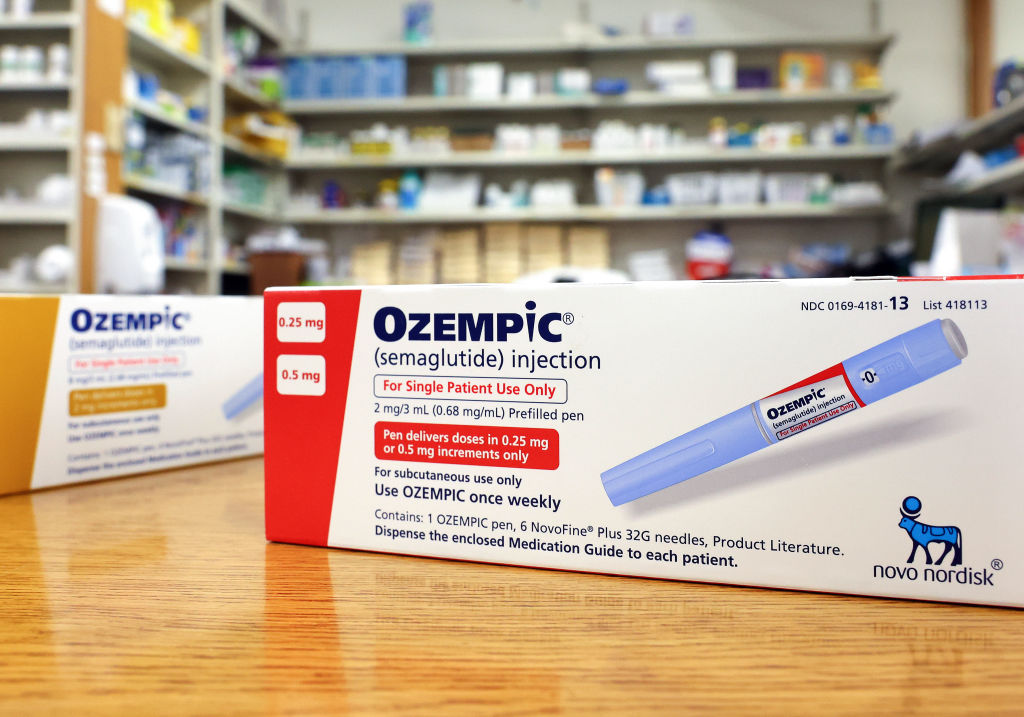
Novo Nordisk's diabetes drug Ozempic and weight-loss drug Wegovy together generated $4.7 billion in sales during the third quarter, making up 57% of the company's total revenue for that period [1]. Eli Lilly's competing drug Mounjaro reached $1.4 billion in sales over the same three months [1].
Both companies posted large year-over-year revenue jumps tied to these medications, with Lilly up 38% and Novo up 29%, the largest increases in the pharmaceutical industry that quarter [1]. Ozempic and Wegovy are both brand names for semaglutide, while Mounjaro is the brand name for tirzepatide. The sales figures reflect how quickly demand for GLP-1 drugs has grown, both for type 2 diabetes treatment and for weight loss.
That demand has outpaced what the companies can supply. Novo and Lilly have not been able to keep up with orders, and this gap has opened the door to counterfeit and unauthorized versions of the drugs entering the market [1]. In December 2023, the FDA and Novo Nordisk warned that counterfeit Ozempic had been found in the legitimate U.S. supply chain, not just through unofficial channels [1]. The fake products carried a specific lot number, NAR0074, and serial number, 430834149057, and came in a 1 mg injectable dose [1].
Thousands of units of the counterfeit product were seized, but officials said some may still be in circulation [1]. Five people who used products from the flagged lot reported adverse effects, though the FDA said these were consistent with Ozempic's known side effects, such as nausea, diarrhea and vomiting, rather than new or unusual reactions [1]. Novo Nordisk said it could not confirm whether all products from that lot were counterfeit, but visual inspection showed that needles and packaging appeared fake, and the company had not yet determined what was actually in the product [1]. The FDA and Novo also warned that counterfeit needles could raise the risk of infection [1].
The counterfeit issue is not limited to the United States. In October 2023, health officials in the United Kingdom and Europe warned about falsified Ozempic pens circulating there [1]. Novo Nordisk has also taken legal action against compounding pharmacies, suing two in Florida in November 2023 over unauthorized versions of its drugs [1]. Eli Lilly took similar steps in September 2023, suing 10 medical spas, wellness centers, and compounding pharmacies that were selling products marketed as Mounjaro [1].
Why it matters for patients
The size of these sales numbers reflects just how many people are seeking out semaglutide and tirzepatide, whether for diabetes management or weight loss. But that same demand has created shortages, and shortages have created an opening for counterfeit and unauthorized products to reach patients [1]. The FDA's warning about counterfeit Ozempic in the legitimate supply chain is notable because it means fake products were not confined to shady online sellers but turned up in pharmacies and distribution channels patients might otherwise trust [1]. Patients who rely on these medications may want to be aware that lot numbers and serial numbers can matter, and that unexpected side effects or unusual packaging could be worth reporting.
What happens next
As of this reporting, thousands of counterfeit units have been seized, but the FDA has said some may still be out in the market [1]. It is not yet known from these sources how widely the counterfeit lot spread or whether additional lots will be flagged. Legal actions against compounding pharmacies and clinics selling unauthorized versions of these drugs were ongoing as of late 2023, with outcomes not yet reported in these sources [1].
Sources
Semaglutides.org is for information only and is not medical advice. Always talk to a licensed healthcare provider about your own care. Some links to telehealth services are affiliate links, labeled where they appear.