New Zepbound prescriptions pass Wegovy for the first time
IQVIA data for the week ending March 8, 2024 showed Zepbound at 77,590 new US prescriptions, edging past Wegovy for the first time, though Wegovy still led on total weekly scripts [1].
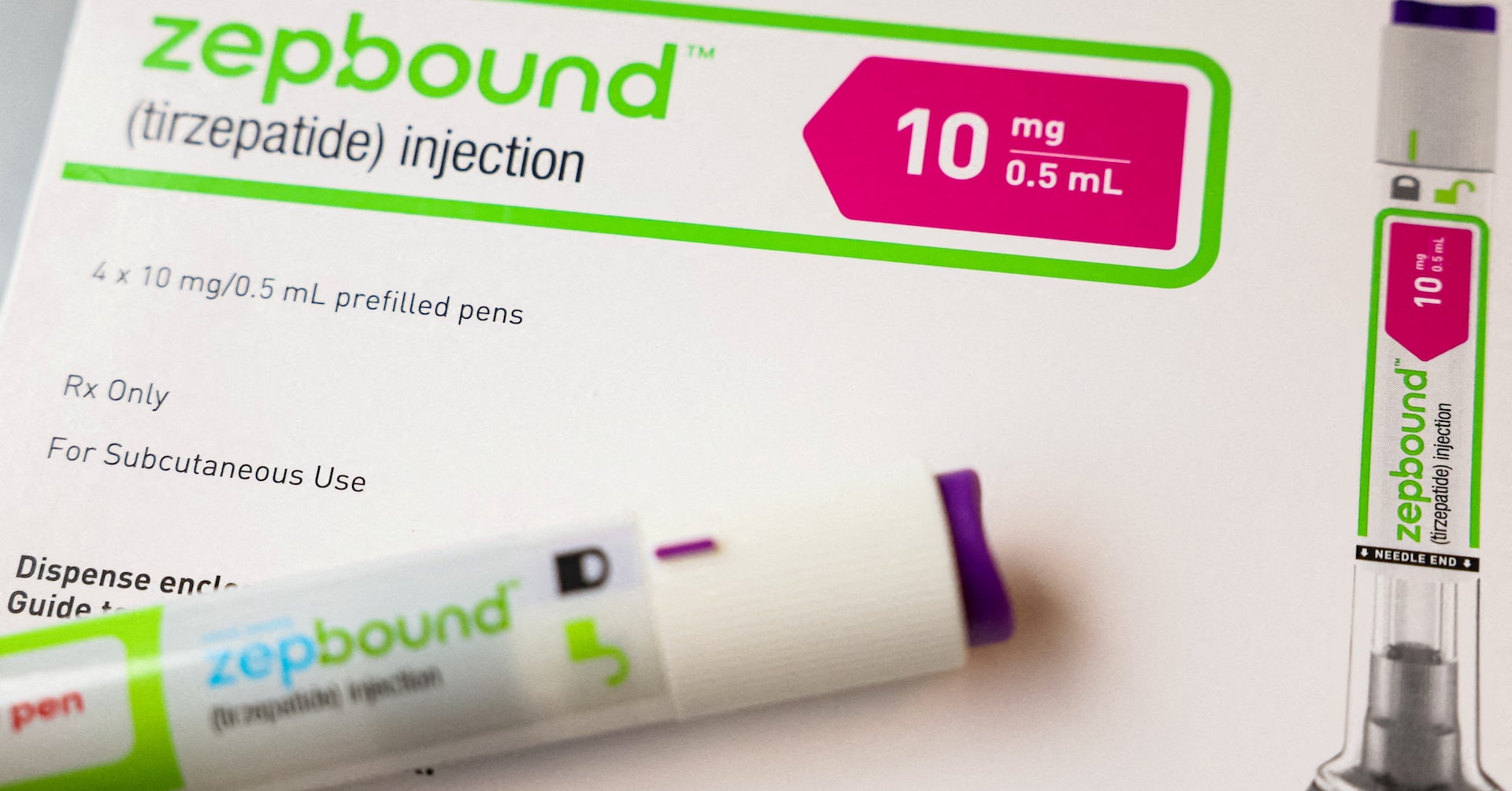
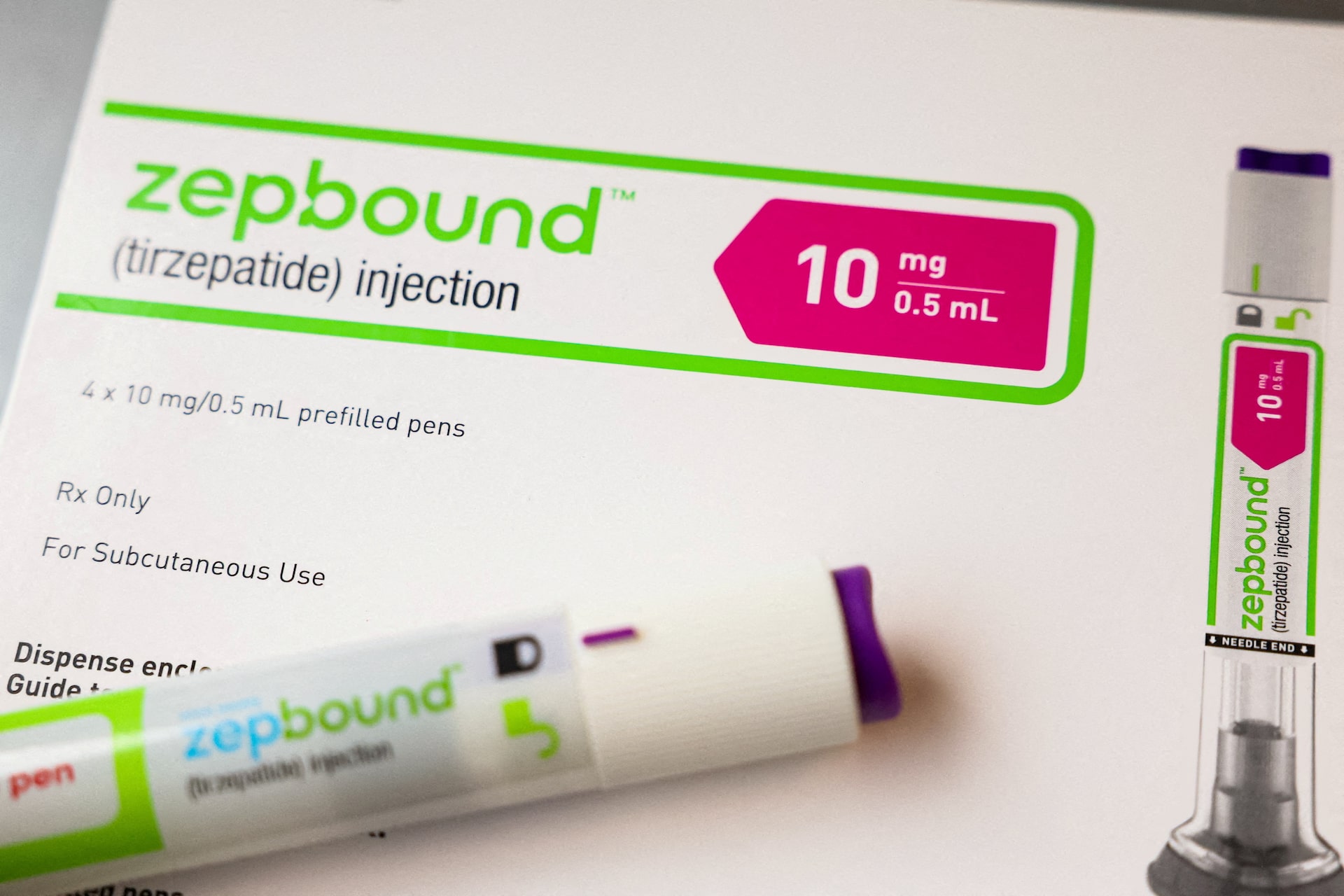
Eli Lilly's weight-loss drug Zepbound (tirzepatide) recorded 77,590 new US prescriptions in the week ending March 8, 2024, passing Novo Nordisk's Wegovy (semaglutide) in new starts for the first time since Zepbound launched, according to IQVIA data published by JPMorgan in a weekly note [1].
The gap was narrow. Reuters, citing the same data, reported that about 6,000 fewer Wegovy prescriptions were filled in the US that week [1]. And the milestone applied only to new prescriptions, not the overall market: Novo Nordisk kept its lead in total weekly prescriptions over Zepbound by 25,307 [1].
A three-month-old drug catching a three-year-old one
The speed matters. Lilly launched Zepbound in the US in December 2023, more than two years after Wegovy was approved in June 2021 [1]. That means a drug on the market for roughly three months was already pulling ahead among patients starting treatment for the first time.
Investors did not treat the news as dramatic. Shares of Lilly and Novo were off about 1% and 2% respectively on what Reuters described as a down day for the broader market [1].
The backdrop is a supply-constrained market. Demand for these drugs has well outpaced supplies, Reuters reported, as consumers turn to treatments shown to reduce weight by as much as 20% [1]. The available reporting does not break down how much of Zepbound's new-start lead came from Wegovy supply problems versus patient or prescriber preference, so that question is not settled by this data.
Both drugs are GLP-1 agonists, a class originally developed for type 2 diabetes that also reduces food cravings and slows how quickly the stomach empties [1]. Zepbound shares its active ingredient with Lilly's diabetes drug Mounjaro; Wegovy's active ingredient, semaglutide, is also sold as Ozempic for diabetes [1].
The money at stake
Analysts see the obesity drug market reaching at least $100 billion by the end of the decade [1]. Data analytics firm GlobalData forecast $105 billion by 2029, with Novo Nordisk capturing more than half of it across its GLP-1 portfolio, including Wegovy [1]. GlobalData also projected that Mounjaro would be the single top-selling GLP-1 by 2029, at $33.4 billion in annual sales [1].
GlobalData said in a report that week that GLP-1 drugs were on pace to surpass cancer immunotherapies as the best-selling medicines in 2024, driven by trial data showing they can treat other health conditions and by a surge in celebrity and influencer endorsements [1]. Merck's Keytruda was then the world's top-selling prescription medicine, with over $25 billion in annual sales [1].
Two other developments bracketed the prescription data. On March 8, 2024, the FDA approved Wegovy for lowering the risk of stroke and heart attack in overweight or obese adults who do not have diabetes [1]. And on March 13, Lilly said it had partnered with Amazon's pharmacy unit to deliver prescriptions sent to its direct-to-consumer service LillyDirect, including Zepbound [1]. Lilly executive Frank Cunningham said the company was "very pleased" with the number of prescriptions filled through LillyDirect so far [1].
Novo, Lilly and IQVIA did not immediately respond to Reuters' requests for comment [1].
Why it matters for patients
New-prescription data is a leading indicator of where prescribers and patients are heading, but it is not the same as what is actually in pharmacies. Total weekly prescriptions still favored Wegovy by more than 25,000 at the time [1], so a patient's day-to-day experience in early 2024 still depended heavily on which product their pharmacy could source and which their insurance covered.
Supply was the central practical problem. With demand outpacing supply across the category [1], a shift in new starts toward Zepbound could mean more pressure on tirzepatide supply over time, though the sources do not project how that played out.
The Wegovy cardiovascular approval on March 8 also changed the calculation for some people, because a label covering heart attack and stroke risk reduction in adults with overweight or obesity and no diabetes [1] gives insurers a different basis for coverage decisions than weight loss alone. How individual plans responded is not covered in this reporting.
Finally, the LillyDirect and Amazon arrangement signaled that manufacturers were building their own distribution channels [1]. What that meant for out-of-pocket cost is not detailed in the source.
What happens next
The reported milestone covered only one week of IQVIA data, ending March 8, 2024 [1]. Whether Zepbound's lead in new starts would persist, and how long Wegovy would hold its total-prescription advantage, were open questions at the time and are not answered by these sources.
Images from the sources
Sources
Semaglutides.org is for information only and is not medical advice. Always talk to a licensed healthcare provider about your own care. Some links to telehealth services are affiliate links, labeled where they appear.