Case report ties tirzepatide to lithium toxicity in a bipolar patient
A case report describes a 50-year-old woman with bipolar disorder whose lithium level rose and who developed tremor, slurred speech and blurred vision about three weeks after starting tirzepatide.
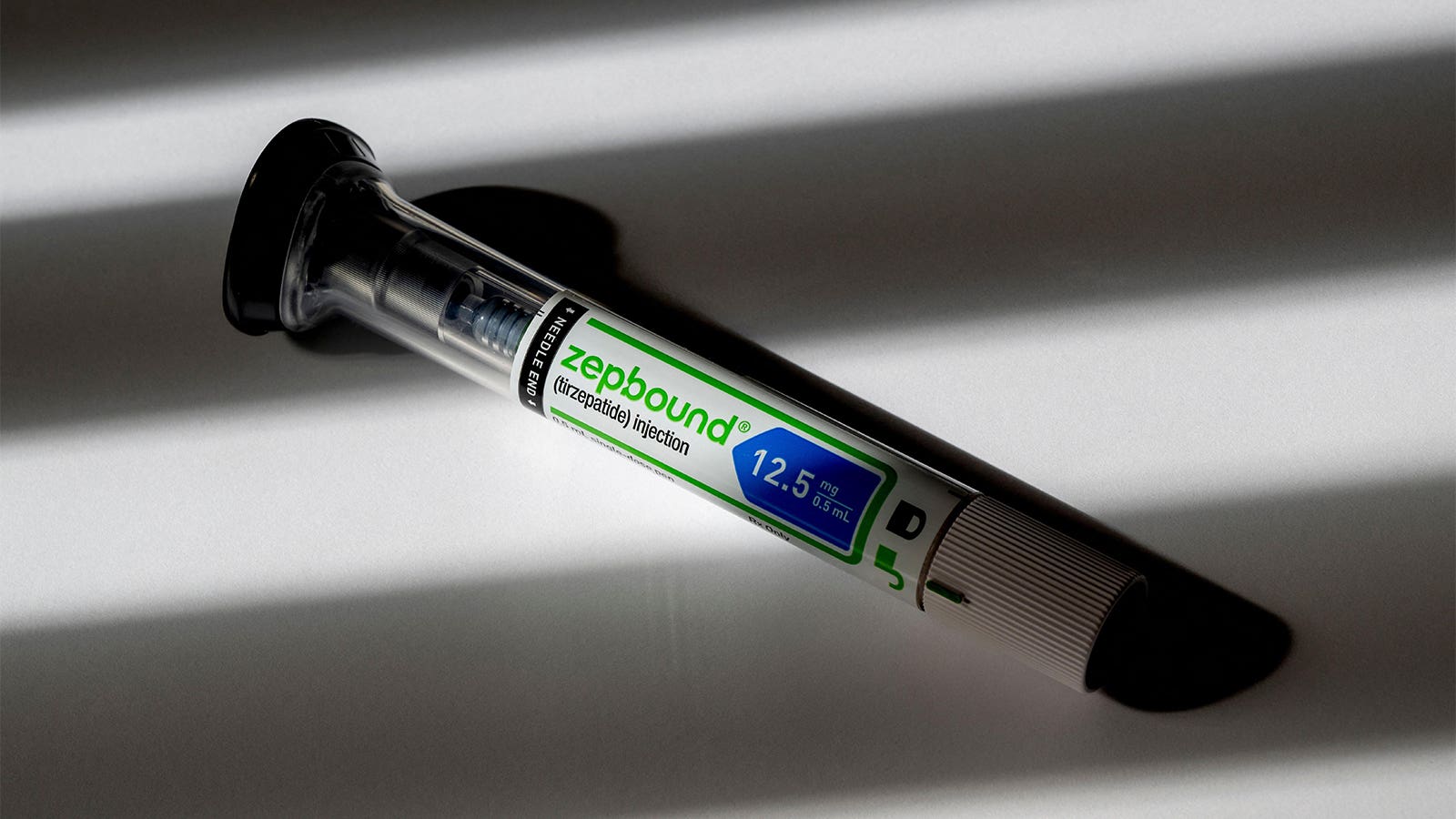
A case report in the Journal of Clinical Psychopharmacology describes a 50-year-old woman with bipolar disorder who developed signs of lithium toxicity about three weeks after she started the weight-loss drug tirzepatide (Zepbound) [1]. Her serum lithium level rose from 0.7 to 1.2 mmol/L, and lowering her lithium dose cleared the symptoms, according to the authors, led by Jay Davis, MD, of the University of Colorado Anschutz Medical Campus in Aurora [1]. The report says it is the fourth reported case of tirzepatide-associated lithium toxicity [1].
The woman had been stabilized on lithium before starting tirzepatide. Her dose was raised step by step from 300 mg extended release to 450 mg twice daily and then consolidated to 900 mg nightly about five weeks later [1]. At a visit with her primary care provider, lab work showed no electrolyte abnormalities, normal kidney function and a serum lithium level of 0.7 mmol/L [1]. Over the next month she reported better mood stability and no side effects [1].
She was then prescribed tirzepatide at 2.5 mg injected under the skin once a week for chronic weight management [1]. At a psychiatry appointment three weeks later, she had a visible tremor in both hands and slurred speech, and she reported blurred vision; the symptoms were new and had been going on for two days [1]. A trough lithium level drawn the next day was 1.2 mmol/L [1]. She had not changed her lithium dose or how she took it, and had not started any other drugs, but she reported eating smaller meals, feeling full sooner and having some bloating since starting tirzepatide [1].
Her lithium dose was reduced to 450 mg nightly, and her symptoms eased soon after [1]. A trough level taken 17 days later was 0.4 mmol/L [1]. She had lost 5 pounds during the three weeks she took tirzepatide, but she and her doctor decided not to restart it because of the apparent risk of interaction with lithium, and she was gradually brought back up to 900 mg of lithium nightly [1].
Davis told MedPage Today that the favored explanation for the interaction is increased fractional reabsorption of lithium driven by decreased oral intake, and that this raises questions about how the two drugs can be prescribed together safely [1]. He said there is reason to believe drugs in this class will be prescribed more often to people who take lithium, and that awareness of the possible interaction is growing but "we as a medical community still have work to do in growing that awareness further and deepening our understanding of it" [1].
Jorge Almeida, MD, PhD, director of the bipolar disorder center at the University of Texas at Austin, who was not involved in the report, said it adds to a "small but growing set of cases" suggesting these medications may raise lithium levels, even in patients on a fixed dose with normal kidney function [1]. "A single case can't prove cause-and-effect, but the timeline and the resolution after the lithium dose was reduced make it hard to dismiss," he said [1]. The report's authors noted that lithium remains "a cornerstone of management in patients with bipolar disorder," and that incretin drugs such as tirzepatide "appear poised to benefit individuals with bipolar disorder" because of how well they treat type 2 diabetes and obesity [1].
It is not known how often this interaction occurs, how it plays out at different tirzepatide doses, or whether the other drugs in this class affect lithium the same way; the report describes one patient and does not answer those questions [1]. No change to prescribing information for tirzepatide or lithium has been reported in connection with this case, and no study has been announced to follow it up [1].
Why it matters for patients
Lithium has a narrow range between a helpful level and a toxic one, so a rise from 0.7 to 1.2 mmol/L matters even when a person has not changed their lithium dose [1]. The symptoms in this case were tremor in both hands, slurred speech and blurred vision, which came on over two days [1]. Almeida said patients should know the early warning signs of lithium toxicity and should "call their prescriber rather than stopping either medication on their own" [1].
His suggested approach for someone already on lithium who starts one of these drugs is to check a lithium level and kidney function within the first few weeks, and again after any dose change — which he described as "early monitoring, not avoidance" [1]. He added that these medications may be valuable for people with bipolar disorder, who have high rates of obesity and type 2 diabetes [1]. The case report does not say what dose of tirzepatide the woman would have moved to, or whether a lower starting dose or slower schedule would have prevented the rise [1].
Images from the sources



Sources
Semaglutides.org provides information only, not medical advice. Talk to a licensed provider about your own care before making changes. Some telehealth links are affiliate links and are labeled where they appear.