Australia bans compounded tirzepatide and other compounded incretins
Australia banned all compounded GLP-1 and GIP weight-loss drugs after a hospitalization and rising harm reports, and Eli Lilly is now citing that ban to warn US patients away from compounded tirzepatide.
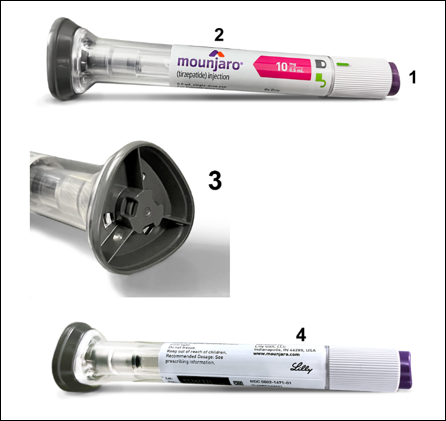
On May 21, 2024, Australia's government announced a complete ban on compounded tirzepatide and other compounded diabetes and weight-loss medicines that work like GLP-1 and GIP drugs [1]. Officials said the move followed "increasing reports of patients coming to harm" from these medicines, including the hospitalization of one patient in Australia after a serious adverse event [1]. Mark Butler, Australia's Minister for Health, said the country only needed to look at "recent reports of individuals impacted by large-scale compounding to realize the dangers posed," and said the ban would "protect Australians from harm and save lives" [1].
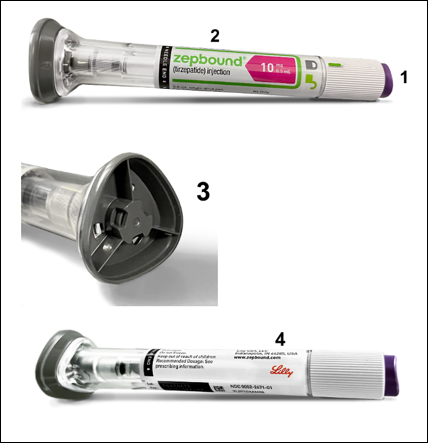
Eli Lilly, the maker of Mounjaro and Zepbound, cited the Australian ban about a month later in an open letter to US patients and providers dated June 20, 2024 [1]. Lilly said it does not supply tirzepatide, the active ingredient in its FDA-approved drugs, to any compounding pharmacy, med-spa, wellness center, or online retailer, and does not know where compounders are getting the material they sell as tirzepatide [1]. The company said it has found compounded products advertised as tirzepatide that contained bacteria, high levels of impurities, an off-color appearance (pink instead of colorless), or a chemical structure entirely different from Lilly's approved medicine [1]. In at least one case, Lilly said, the product tested was nothing more than sugar alcohol [1].
Lilly also flagged that some sellers are now advertising compounded tirzepatide in pill, under-the-tongue, and nasal-spray forms [1]. The FDA has approved tirzepatide only as an under-the-skin injection, and Lilly said no regulator has evaluated the safety or effectiveness of any oral or nasal version [1]. The company separately cited a 2024 report from the National Association of Boards of Pharmacy, which said it had identified thousands of websites promoting the illegal sale of GLP-1 drugs and warned that "illegal actors are taking advantage of high demand and short supply" to sell "substandard and falsified versions" of these products [1].
Why it matters for patients
Compounded tirzepatide has been widely used in the United States, often as a lower-cost or more available alternative when brand-name Mounjaro and Zepbound were in short supply. Australia's decision to ban the practice entirely, based on hospitalization and harm reports, signals that regulators there see risks in compounding that go beyond routine drug-shortage stopgaps [1]. Lilly is using that action as evidence in its own US-facing warnings, arguing that compounded and non-FDA-approved products carry sterility, purity, and dosing risks that approved drugs do not [1]. The FDA has separately stated that compounded drugs generally "pose a higher risk to patients than FDA-approved drugs" and that unnecessary use of compounded drugs can expose people to serious health risks [1]. Patients who have used or are considering compounded tirzepatide may want to understand these differences, though the sources here do not describe what, if any, similar regulatory action is under consideration in the US [1].
What happens next
The sources do not specify a timeline for enforcement of Australia's ban or say whether US regulators plan comparable restrictions on compounded incretin drugs [1]. Lilly said it will continue pursuing legal action against parties that falsely market products as Mounjaro, Zepbound, or FDA-approved tirzepatide, and it encouraged patients who suspect they received counterfeit or unsafe versions of tirzepatide to contact a healthcare provider, local law enforcement, or their state Board of Pharmacy [1]. No further dated developments are described in the available sources.
Images from the sources
Sources
Semaglutides.org is for information only and is not medical advice. Always talk to a licensed healthcare provider about your own care. Some links to telehealth services are affiliate links, labeled where they appear.