Lilly tells physicians to stop selling compounded copies of its drugs
Eli Lilly sent cease-and-desist letters to doctors, telehealth firms and medical spas selling compounded copies of Zepbound and Mounjaro, warning them of license and safety risks as legal supply of tirzepatide grows.
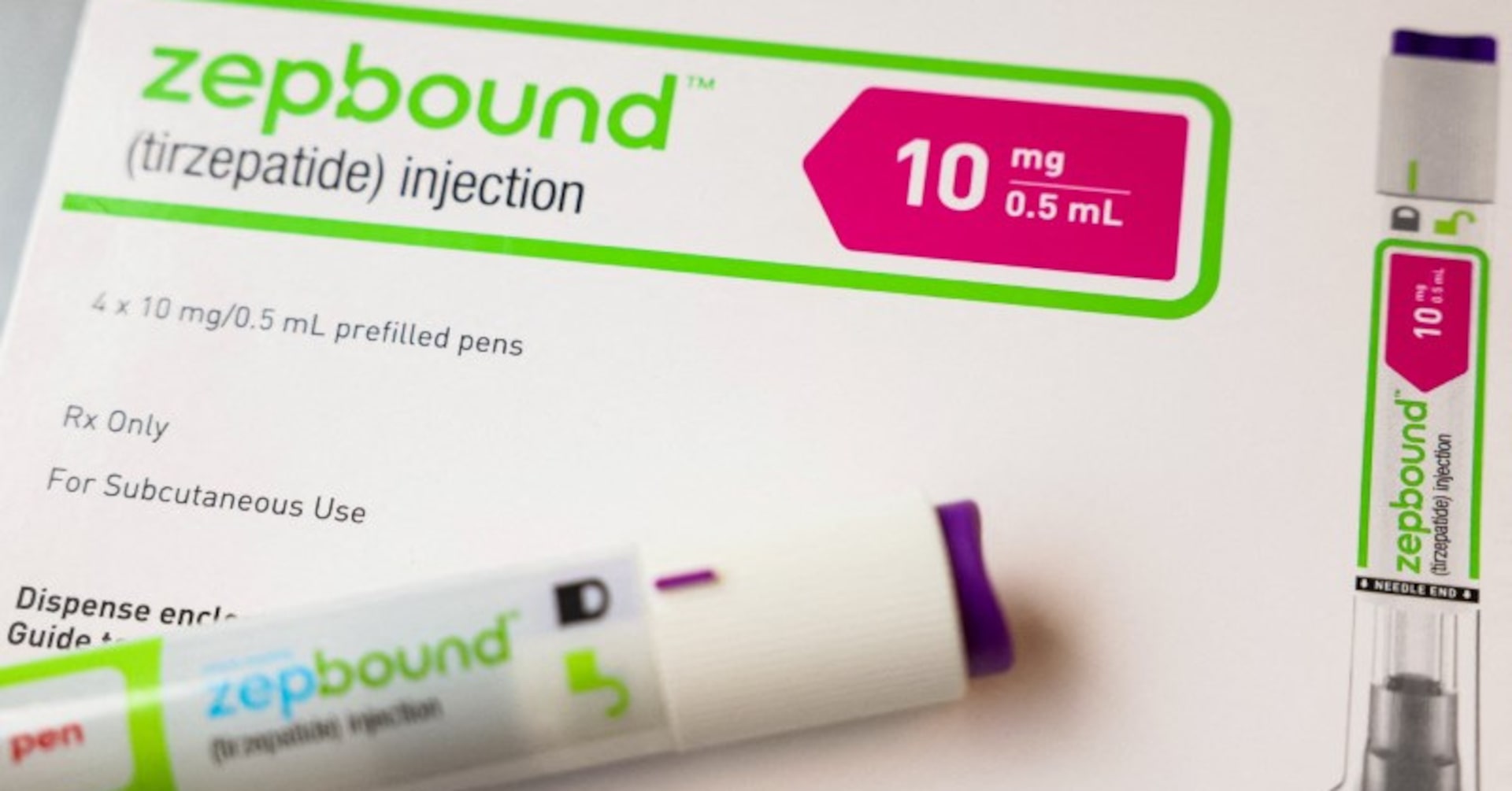
Eli Lilly said on August 14 that it had sent cease-and-desist letters in recent days to U.S. healthcare providers, telehealth companies, wellness centers and medical spas that sell compounded versions of its drugs Zepbound and Mounjaro [1]. The letters mark a shift in strategy: rather than suing sellers, as it has done before, Lilly is now pressuring the prescribers who write for compounded tirzepatide [1].
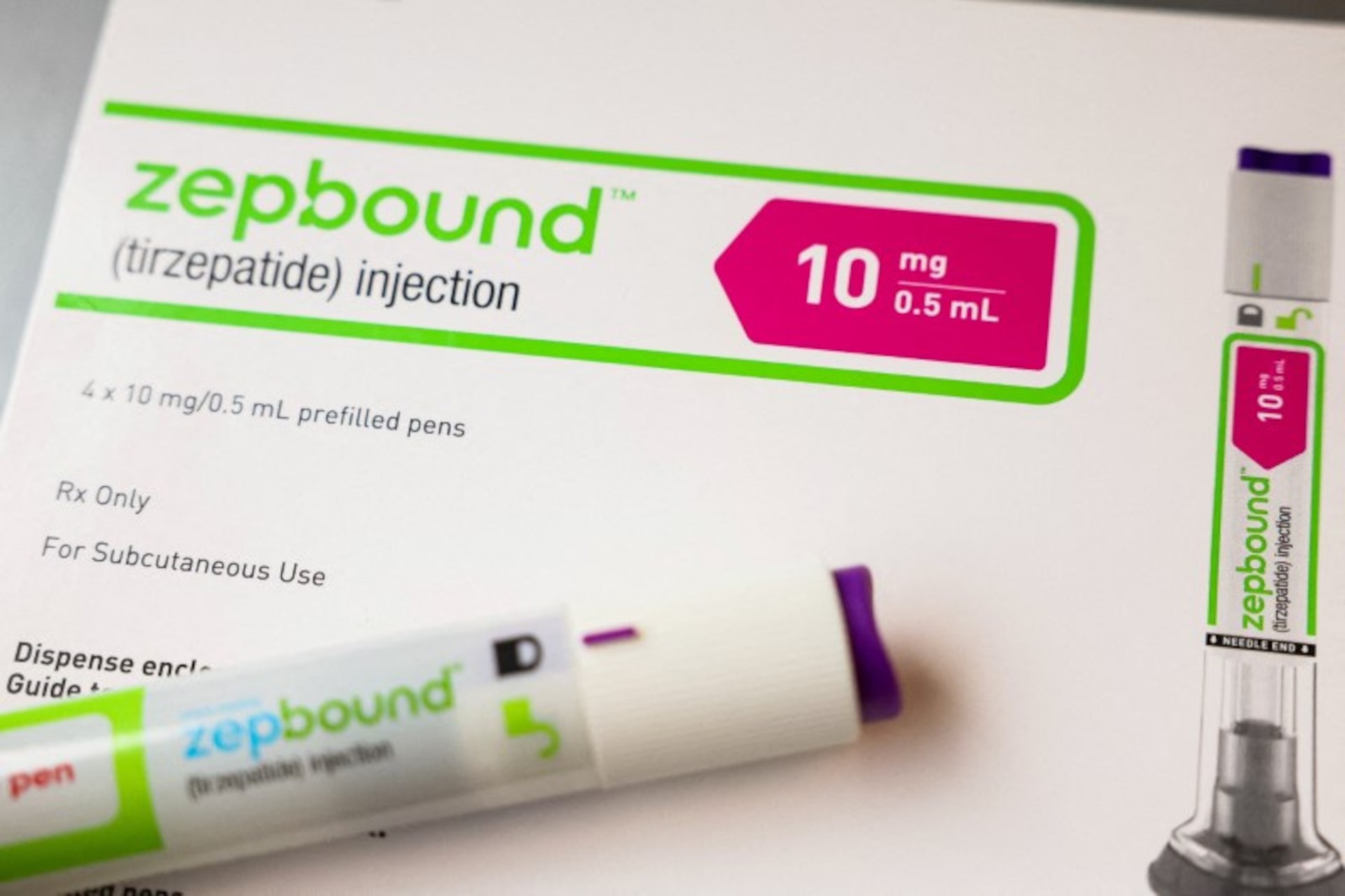
Zepbound and Mounjaro both contain tirzepatide. Compounded drugs are custom-made medicines built from the same active ingredients as brand-name products. Because tirzepatide had been in short supply, licensed U.S. pharmacies were legally allowed to compound versions of it [1]. But surging demand for GLP-1 weight-loss drugs, which can cost more than $1,000 a month, pushed many sellers to offer cheaper compounded alternatives [1].
Lilly argues that once an FDA-approved medicine is "commercially available," compounders cannot legally make what amounts to a copy of it [1]. The company and Danish rival Novo Nordisk have already sued more than three dozen medical spas, weight-loss clinics, compounding pharmacies and online sellers to stop sales of products claiming to contain their drugs' active ingredients [1].
The FDA said on August 2 that all doses of Lilly's tirzepatide products were listed as available, but the agency had not yet removed tirzepatide from its official shortage list [1]. An FDA spokesperson told Reuters the agency was still working to determine whether the available supply met its formal definition of a resolved shortage [1]. That distinction matters because compounding of a drug is only legally permitted under federal rules while the branded version remains in shortage.
The pressure on compounding comes amid separate safety warnings. In July, the FDA warned patients and doctors about dosing errors tied to compounded versions of Novo Nordisk's weight-loss and diabetes drugs, saying it had received reports of adverse events, some requiring hospitalization, that may be linked to overdoses [1]. The agency said these events involved patients incorrectly self-administering compounded drugs and healthcare providers miscalculating doses [1].
Why it matters for patients
Patients who have been getting compounded tirzepatide, often at a lower price than Zepbound or Mounjaro, could see their access disrupted if the prescribers or clinics supplying them stop offering it under legal pressure from Lilly [1]. That could push some patients toward the branded products, which can cost more than $1,000 a month [1], or toward other supply sources.
The FDA's warning about dosing errors is also relevant to anyone using a compounded product. The agency has linked some hospitalizations to incorrect self-dosing and provider miscalculation with compounded GLP-1 drugs [1], a risk that does not apply in the same way to pre-filled, FDA-approved pens.
Whether tirzepatide's supply status changes soon is unresolved. The FDA has not said when, or whether, it will formally declare the tirzepatide shortage over, and that decision affects whether compounding of the drug remains legally permitted at all [1]. The sources do not say what specific consequences prescribers face if they ignore Lilly's letters, or how many providers have already stopped selling compounded tirzepatide as a result.
What happens next
The FDA said it is continuing to assess whether the current tirzepatide supply meets its definition of a resolved shortage, a determination with no stated date in the available reporting [1]. Lilly and Novo Nordisk's existing lawsuits against sellers of compounded and counterfeit versions of their drugs remain ongoing, though outcomes and timelines are not detailed in the sources [1].
Images from the sources
Sources
Semaglutides.org is for information only and is not medical advice. Always talk to a licensed healthcare provider about your own care. Some links to telehealth services are affiliate links, labeled where they appear.