FDA sends warning letters to sellers of counterfeit GLP-1 ingredients
The FDA sent warning letters to companies selling semaglutide and tirzepatide labeled as 'research chemicals,' saying evidence showed the products were meant for human use and some contained bacteria or the wrong ingredients.
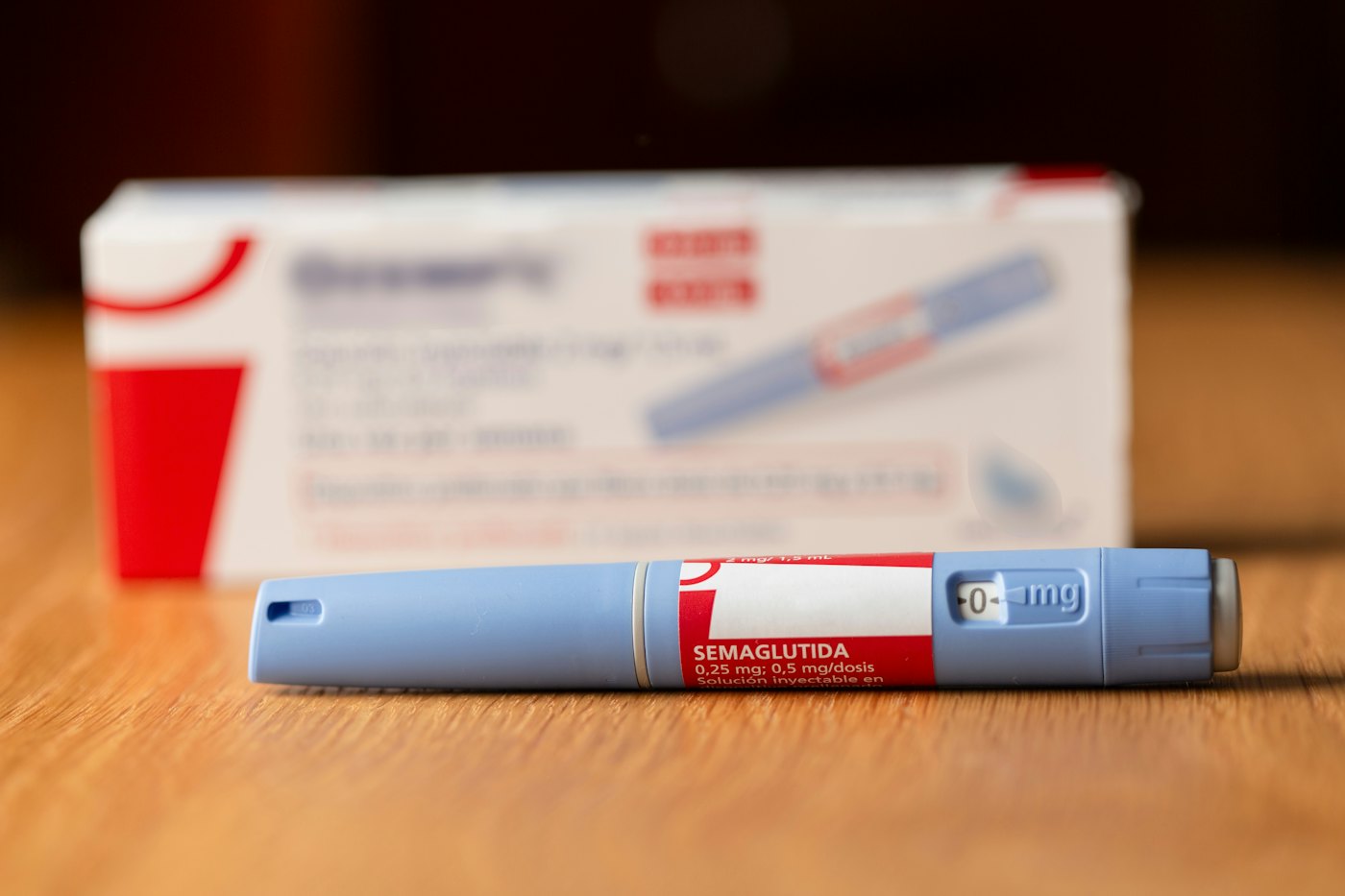
The Food and Drug Administration has issued warning letters to companies marketing semaglutide and tirzepatide as "research chemicals" and "not for human consumption," even though the agency says evidence from the companies' own websites shows the products were intended for people to use [2]. Since late 2023, the FDA has sent 10 such letters over misbranded, adulterated or illegal sales of these drugs, including to US Chem Labs, Synthetix Inc. (doing business as Helix Chemical Supply), and AnuMed International, as well as to websites including gorillahealing, semaspace, Ozempen and dashpct [1]. None of the named companies are registered as human drug compounding outsourcing facilities under federal law, and the websites for the online retailers are currently unreachable [1].
The warning letters describe products sold under labels claiming "research use only," but the FDA says the marketing itself proves otherwise. In its letter to Synthetix, the agency wrote that the products are drugs because they are "intended to prevent, treat, or cure disease conditions and/or affect the structure or function of the body" [2]. The FDA also flagged US Chem Labs for marketing a product called Thymalin to children, calling this particularly concerning because the product has not been evaluated by the FDA for safety, effectiveness or quality [2].
Separately, drugmakers have identified serious quality problems in some compounded versions of these medicines. Eli Lilly said it found compounded products advertised as tirzepatide that contained bacteria, had high impurity levels, were the wrong color, or had a chemical structure entirely different from its approved drugs; in at least one case, the product tested as nothing more than sugar alcohol [1]. Dan Skovronsky, Lilly's chief scientific and medical officer, said on an August 8, 2024, earnings call that when the company tests samples from compounding labs, "in most instances, this isn't [our] kind of tirzepatide at all" [1]. The FDA says it reviewed 288 reports of adverse reactions tied to compounded semaglutide and 108 tied to compounded tirzepatide between August 2021 and mid-July 2024, with some patients hospitalized [1].
Novo Nordisk has also pursued legal action, filing 34 lawsuits total against medical spas, weight loss clinics and telehealth companies, including 11 new suits filed in August 2024 across seven states, with six resulting in permanent injunctions [1].
Why it matters for patients
People who buy semaglutide or tirzepatide from sources outside the FDA-approved supply chain cannot be sure what they are actually injecting. The FDA and drugmakers have found products with no active ingredient, the wrong ingredient, bacterial contamination, or impurities far above what would be allowed in an approved drug [1]. Some patients who used compounded semaglutide required hospitalization after dosing errors [1]. Former FDA commissioner Scott Gottlieb has also warned that many compounded versions use a different chemical form, a "salt" formulation, that may not provide the same extended, once-weekly effect as the brand-name drugs, meaning even a product with the right ingredient might not work the way patients expect [1].
Compounding itself is not illegal. Pharmacies can legally compound versions of approved drugs under certain conditions, including when a drug is listed on the FDA's shortage list, which Ozempic and Wegovy were as of May 2023, though shortages have eased since [1]. The distinction the FDA is drawing with these warning letters is between that regulated compounding system and unregistered sellers marketing products as chemicals for research rather than legitimate compounded medicine.
What happens next
Companies receiving warning letters generally have a limited window, often around 15 business days, to respond with corrective actions before the FDA can pursue further legal action [2]. Novo Nordisk's litigation against compounders and clinics is ongoing, and Lilly has said it continues to test samples from compounding labs [1]. Skovronsky has also suggested that as incretin-based drugs get approved for more conditions and in more oral forms, demand, shortages and compounding activity are all likely to increase further [1].
Sources
Semaglutides.org is for information only and is not medical advice. Always talk to a licensed healthcare provider about your own care. Some links to telehealth services are affiliate links, labeled where they appear.