Novo asks the FDA to bar compounded copies of semaglutide
Novo Nordisk asked the FDA in October 2024 to place semaglutide on a list of drugs too complex to compound, a step that would block copycat versions even during shortages.
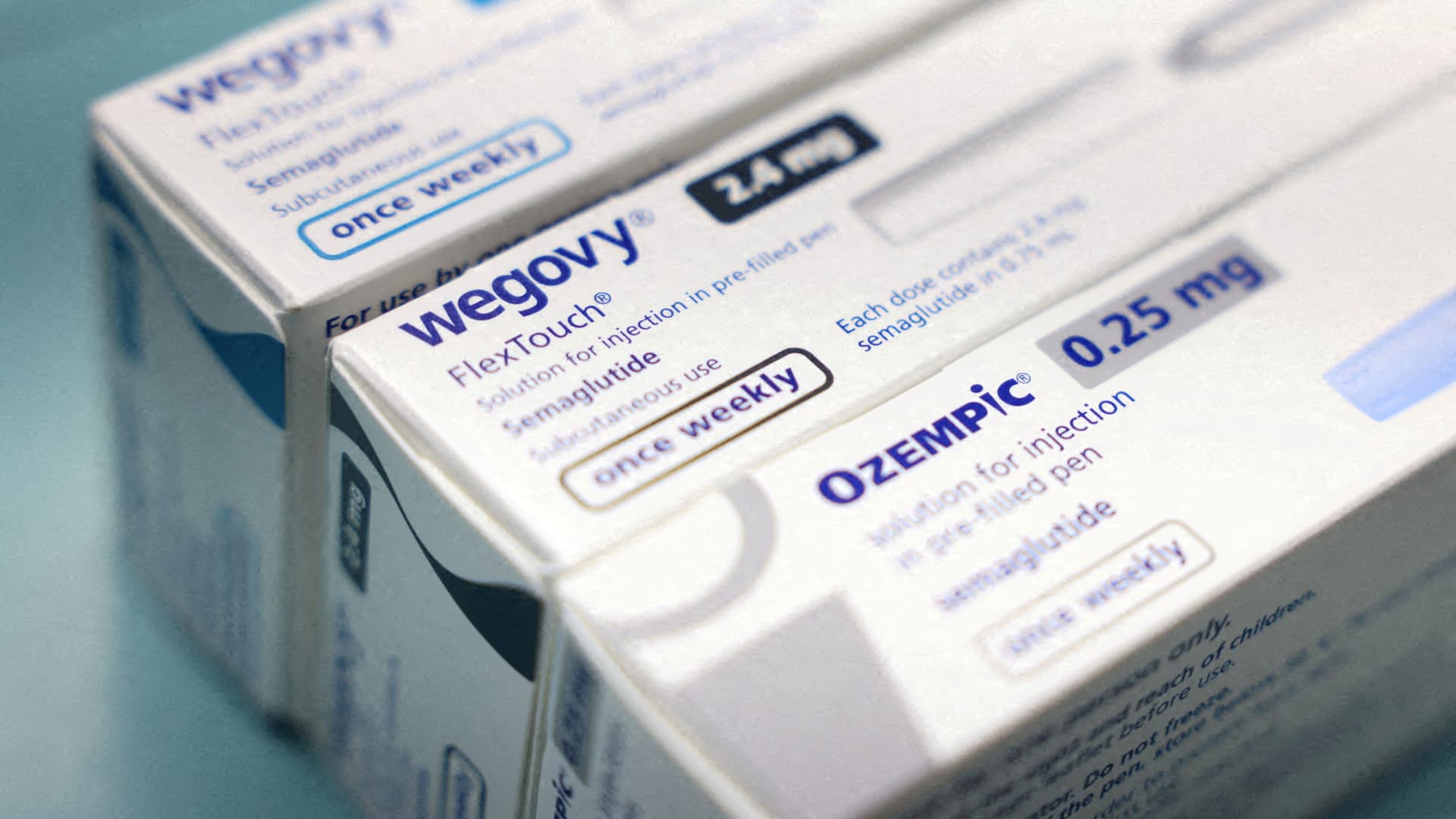
Novo Nordisk asked the U.S. Food and Drug Administration to stop compounding pharmacies from making unapproved versions of semaglutide, the active ingredient in its diabetes drug Ozempic and its weight-loss drug Wegovy [1]. The company filed the request late on Tuesday, Oct. 22, 2024, nominating semaglutide to the FDA's "Demonstrable Difficulties for Compounding" lists, which cover complex drugs that compounders are not allowed to make even during a shortage because of potential safety risks [1].
"Semaglutide products fit this description due to their inherent complexity and the potential dangers associated with attempting to compound them," Novo Nordisk said in a statement [1]. The company cited unknown impurities, incorrect dosage strengths, and cases where a compounded product contained no semaglutide at all [1]. It said its "aim with this nomination is to ensure that patients receive only FDA-approved, safe, and effective semaglutide products" [1].
The FDA said at the time that it was reviewing the petition and would respond directly to Novo Nordisk, and that it still had to make a final decision on whether to bar compounded semaglutide [1].
The backdrop in late 2024
The nomination followed about 50 lawsuits Novo Nordisk filed over the previous year against clinics, compounding pharmacies and other manufacturers [1]. Patients had turned to compounded semaglutide during intermittent U.S. shortages of the branded drugs, which carried list prices of about $1,000 per month before insurance and rebates, and many health plans did not cover semaglutide for weight loss [1].
Under federal rules, compounding pharmacies can prepare copies of a brand-name drug when it is in shortage, if they meet FDA requirements [1]. As of the CNBC report, the lowest dose of Wegovy was still listed as in short supply, while all other Wegovy doses and Ozempic were listed as available in the FDA's shortage database [1].
The FDA had already flagged safety concerns. In August 2024 the agency said it had received reports of patients overdosing on compounded semaglutide because of errors such as self-administering incorrect amounts [1]. Earlier in October 2024, the agency said compounded GLP-1 products can be risky because they are unapproved, meaning the FDA does not review their safety, effectiveness or quality before they reach the market [1].
The same fight was playing out for tirzepatide, the active ingredient in Eli Lilly's Zepbound and Mounjaro. The FDA removed tirzepatide from its shortage list in early October 2024 after more than a year, a trade group representing compounders sued, and the agency said it would reconsider that decision [1].
Why it matters for patients
The "demonstrably difficult to compound" designation is different from a shortage delisting. A shortage ending removes the legal basis for large-scale copying; the difficult-to-compound list would bar compounding of semaglutide regardless of supply [1]. For people who have been buying compounded semaglutide because of cost or coverage gaps, that distinction determines whether a cheaper option can ever legally return [1].
It is also worth knowing what the FDA has and has not said. The agency has warned that compounded GLP-1 products are not reviewed for safety, effectiveness or quality [1], and has reported dosing errors tied to them [1]. Novo Nordisk's claims about impurities and missing active ingredient come from the company's own petition, not from an FDA finding [1].
What happens next
Novo's nomination did not produce a quick answer. According to a February 2026 analysis by the law firm Health Law Alliance, the demonstrably difficult to compound list still did not formally exist, and the FDA's proposed rule on the subject — which would prohibit compounding of liposomal delivery formulations — had drawn numerous comments questioning its language and the agency's statutory authority, and had not been finalized [2].
The same analysis describes a sharp escalation in early 2026: Novo Nordisk's 25 mg high-dose Wegovy product entered the U.S. market in January; on Feb. 9, 2026, Novo filed a patent infringement suit against telehealth company Hims & Hers over a compounded semaglutide pill, citing U.S. Patent 8,129,343 covering SNAC delivery technology; Hims & Hers pulled the product; and the FDA referred the company to the Department of Justice and said it planned "decisive steps" to restrict GLP-1 active pharmaceutical ingredient for compounding [2]. What those steps will be is not yet known [2].
Images from the sources
Sources
Semaglutides.org is for information only and is not medical advice. Always talk to a licensed healthcare provider about your own care. Some links to telehealth services are affiliate links, labeled where they appear.