FDA database shows every Ozempic and Wegovy dose available as shortage review continues
The change shapes when compounded semaglutide copies must stop and reflects the FDA's view that brand-name supplies have caught up with nationwide demand.
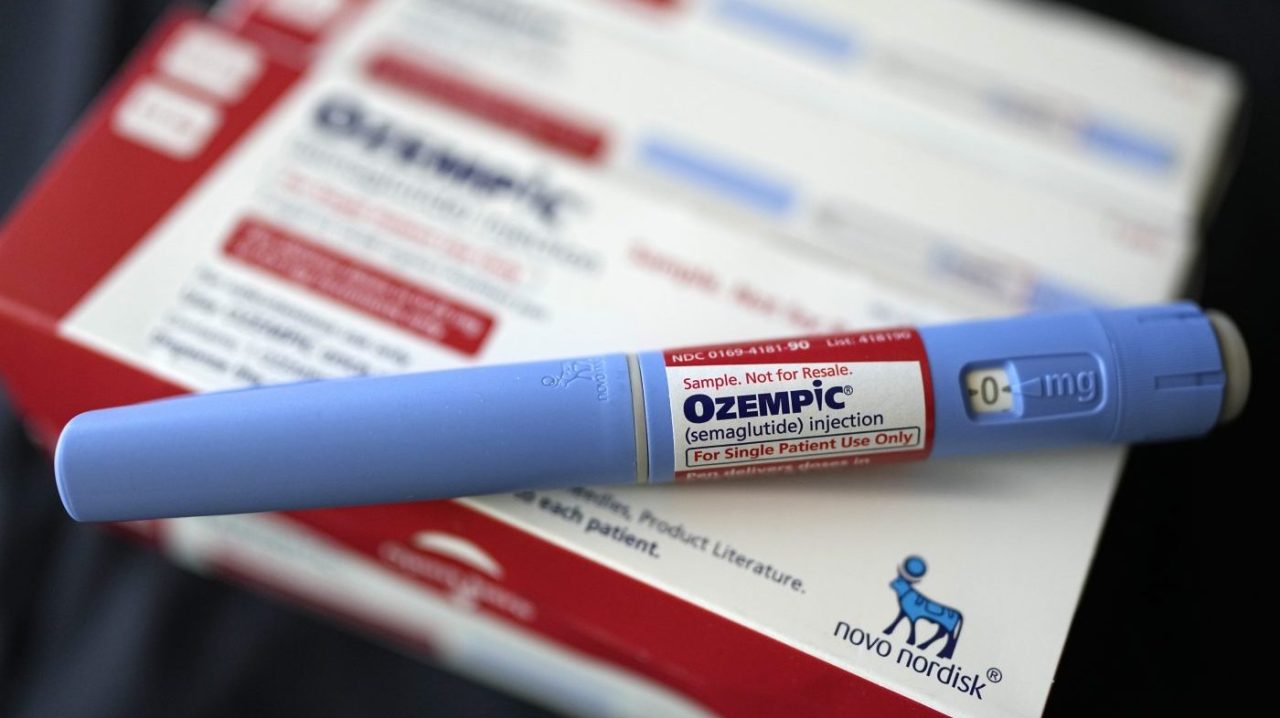
The Food and Drug Administration's drug shortage database no longer lists any dose of Ozempic or Wegovy as in short supply, a status change posted in the last days of October 2024 that followed more than two years of shortage listings for the two semaglutide injections [1].
Wegovy's entry dates to March 31, 2022, and Ozempic joined on August 23, 2022, according to the FDA order that later closed the case [2]. Clearing the "currently in shortage" label did not immediately remove either product from the shortage list, and the agency said the test for that step had not yet been met [1]. An FDA spokesperson told The Hill that staff were still weighing whether U.S. demand for semaglutide exceeded available supply, adding that a drug can show every dosage as available and still fall short of the criteria for coming off the list [1].
Novo Nordisk, which makes both brands, tied the update to manufacturing expansion and regular discussions with regulators. A company spokesperson cited its "significant investment in capacity" and described a deliberate, step-by-step increase of supply into the U.S. market [1]. The same statement cautioned that a product showing as available does not mean a prescription fills the same day at a given pharmacy, and that experiences can vary by location [1].
Agency records trace the handoff: on October 2, 2024, FDA reported that Novo Nordisk had all but one presentation available, and by December 19, 2024, the company told the agency every presentation was available [2]. The declaratory order declaring the shortage resolved carries a February 21, 2025 date [2].
Semaglutide was the second GLP-1 franchise to reach that point. Mounjaro and Zepbound, both tirzepatide, came off the shortage list less than a month earlier, after nearly two years [1]. That move set off an industry fight with compounding pharmacies, which may sell unbranded copies of a drug only while it is in shortage; FDA said it would reconsider the tirzepatide decision [1]. Hims & Hers and Noom have sold compounded semaglutide, and Hims & Hers bought a compounding pharmacy of its own [1]. Lee H. Rosebush, chairman of the Outsourcing Facilities Association, said in a statement that he hoped regulators would "fully and fairly consider patient access" this time [1].
In the February order, FDA concluded that Novo Nordisk's output was meeting or exceeding demand, and that the company held finished-product reserves plus substantial semi-finished inventory, enough to cover projected demand [2]. The agency said it also reviewed submissions from telehealth companies, compounders, trade associations and members of the public, and found "important limitations" in that material that did not outweigh the manufacturer's data [2]. FDA acknowledged reports of patients and pharmacists unable to obtain the drugs, and wrote that such intermittent problems most likely reflect the chain running from Novo Nordisk through wholesalers to local pharmacies rather than a continuing national shortage [2].
Why it matters for patients
Compounded semaglutide exists in a legal space tied to the shortage listing. The February order states that FDA does not intend to pursue enforcement for violations that depend on semaglutide's place on the shortage list for 60 calendar days, through April 22, 2025, for state-licensed pharmacists and physicians working under section 503A, and for 90 days, through May 22, 2025, for outsourcing facilities under section 503B [2].
A database entry reading "available" is not a guarantee of immediate pickup. FDA wrote that patients and prescribers "may still see intermittent localized supply disruptions" as product moves through distributors to local pharmacies [2]. Rybelsus, the oral semaglutide tablet, was not part of the shortage during this period [2].
What happens next
FDA said it will keep watching supply and demand and will consider returning semaglutide injections to the shortage list "as appropriate" [2]. The two compounding enforcement windows close April 22 and May 22, 2025 [2]. The order does not state what the agency will do after those dates [2].
Images from the sources
Sources
Semaglutides.org provides information only, not medical advice. Talk to a licensed provider about your own care before making changes. Some telehealth links are affiliate links and are labeled where they appear.