SURMOUNT-5 topline: 20.2% on Zepbound against 13.7% on Wegovy
Eli Lilly said adults taking Zepbound lost an average of 20.2% of body weight over 72 weeks versus 13.7% on Wegovy, the first randomized head-to-head comparison of the two drugs [1].
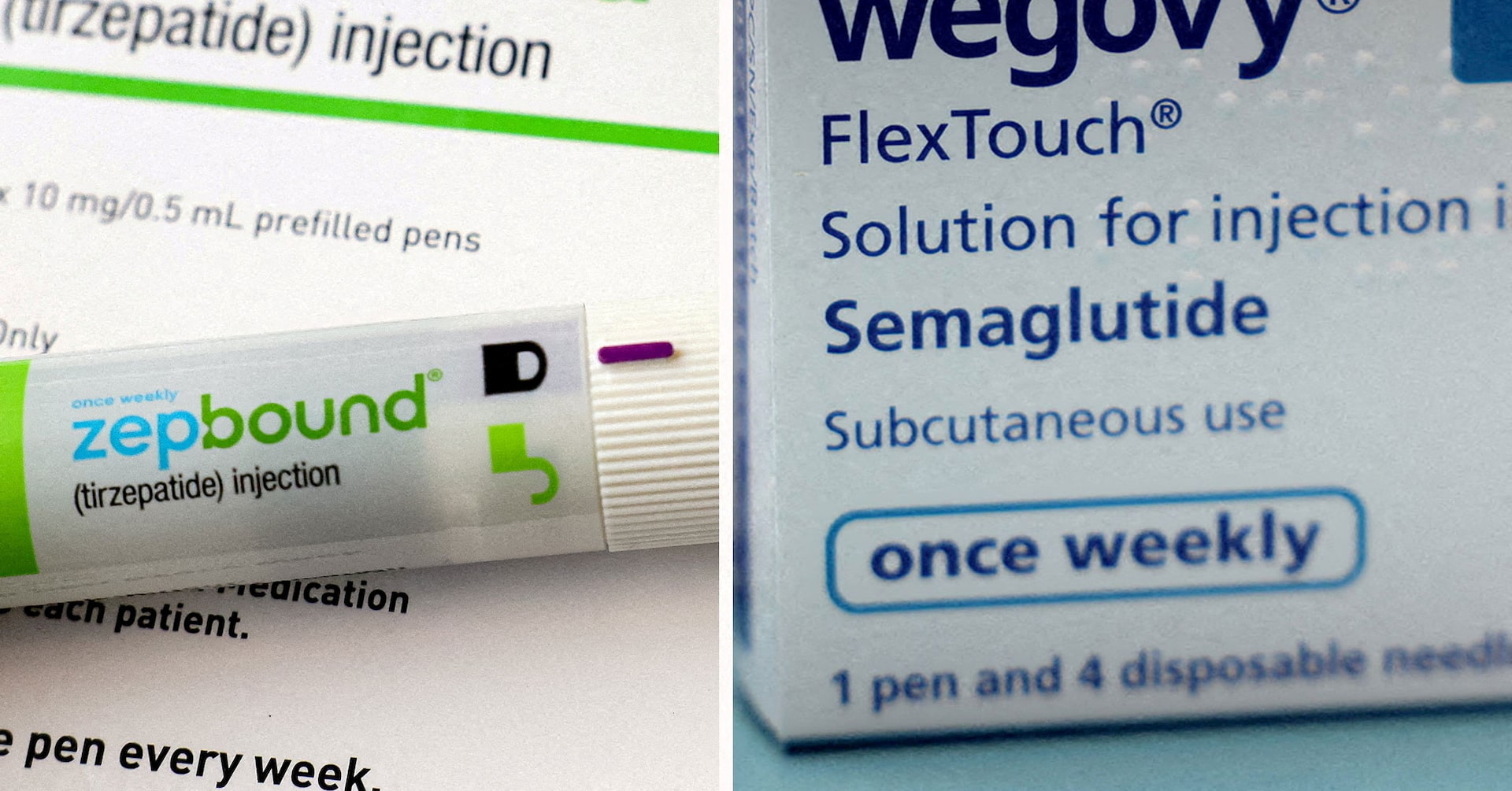
Eli Lilly on Dec. 4, 2024 released topline results from SURMOUNT-5, the first large randomized trial to compare its obesity drug Zepbound (tirzepatide) directly against Novo Nordisk's Wegovy (semaglutide). After 72 weeks, participants on Zepbound lost an average of 20.2% of their body weight compared with 13.7% on Wegovy — a 47% greater relative weight loss [1].
In pounds, that worked out to an average of 50.3 lbs (22.8 kg) with Zepbound and 33.1 lbs (15.0 kg) with Wegovy [1]. Lilly said Zepbound beat Wegovy on the primary endpoint and on all five key secondary endpoints. One of those: 31.6% of people on Zepbound reached at least 25% body weight loss, versus 16.1% on Wegovy [1].
What the trial actually tested
SURMOUNT-5 randomized 751 adults across the U.S. and Puerto Rico, 1:1, to the maximum tolerated dose of Zepbound (10 mg or 15 mg) or Wegovy (1.7 mg or 2.4 mg) [1]. Everyone had obesity, or overweight plus at least one weight-related condition — high blood pressure, abnormal cholesterol, obstructive sleep apnea or cardiovascular disease. No one in the trial had diabetes [1].
Two caveats matter. The trial was open-label, meaning participants and investigators knew which drug was being given, and it was sponsored by Lilly, the maker of the winning drug [1][2]. Lilly said the safety profile matched earlier SURMOUNT trials, with the most common side effects in both groups being gastrointestinal and generally mild to moderate [1].
Until this readout, the comparison between the two drugs rested on separate trials run under different conditions. In the studies that supported U.S. approval, tirzepatide produced more than 22% weight loss at 72 weeks while Wegovy produced about 15% at 68 weeks — different trials, different populations [2]. An analysis of health records published in JAMA Internal Medicine earlier in 2024 had also found greater weight loss with Zepbound [2].
Novo Nordisk said it would wait for the complete data, including how doses were distributed between the two groups, before commenting further [2]. The company noted that Wegovy is the only obesity drug shown to reduce the risk of heart attack or stroke, and the FDA approved it for cardiovascular risk reduction in March 2024 [2].
Markets reacted immediately. Lilly shares rose 2.5% to a three-week high, adding roughly $19 billion in market value, while Novo's Copenhagen-listed shares fell as much as 1.8% and were down 0.5% in afternoon trading [2].
Why it matters for patients
For most of 2023 and 2024, prescribing was driven by what was in stock. As Reuters reported, doctors had been choosing between these drugs based on whichever one was available at the pharmacy during intermittent shortages [2]. A head-to-head number gives prescribers something concrete to weigh when supply is not the limiting factor.
It may also shape coverage. Reuters reported the results could push U.S. insurers and European health authorities toward preferential coverage of Zepbound [2]. That cuts both ways for patients: preferred status can lower out-of-pocket cost for one drug while making the other harder to get approved.
Averages are not individual results. The trial reported group means, and roughly a third of Zepbound users hit 25% or more weight loss, meaning most did not [1]. Weight loss is also not the only endpoint people and insurers care about — Wegovy carries a cardiovascular indication that Zepbound did not have at the time of this readout [2]. Head-to-head data on heart outcomes between the two drugs is not available from this trial.
What happens next
Lilly said in December 2024 that full results would be published in a peer-reviewed journal and presented at a medical meeting in 2025 [1]. Novo Nordisk's late-stage results for CagriSema, an experimental combination the company said could deliver 25% weight loss, were expected in December 2024 [2].
The complete SURMOUNT-5 results were published in The New England Journal of Medicine and presented at the European Congress on Obesity on May 11, 2025, confirming the 20.2% versus 13.7% figures and adding details: 64.6% of Zepbound users reached at least 15% weight loss versus 40.1% on Wegovy, and 6.1% of Zepbound participants stopped treatment due to adverse events versus 8.0% on Wegovy — though the study was not powered to compare tolerability between the drugs [3].
Images from the sources
Sources
- https://www.prnewswire.com/news-releases/lillys-zepbound-tirzepatide-superior-to-wegovy-semaglutide-in-head-to-head-trial-showing-an-average-weight-loss-of-20-2-vs-13-7-302322351.html
- https://www.reuters.com/business/healthcare-pharmaceuticals/lillys-zepbound-tops-wegovy-weight-loss-head-to-head-trial-2024-12-04/
- https://www.prnewswire.com/news-releases/zepbound-tirzepatide-showed-superior-weight-loss-over-wegovy-semaglutide-in-complete-surmount-5-results-published-in-the-new-england-journal-of-medicine-302451241.html
Semaglutides.org is for information only and is not medical advice. Always talk to a licensed healthcare provider about your own care. Some links to telehealth services are affiliate links, labeled where they appear.