Colorado to limit Wegovy and Zepbound coverage for state employees, saving $17 million
Colorado will stop covering GLP-1 drugs for obesity in its state employee health plan on July 1, 2025, a move projected to save $17 million a year and shift costs to patients.
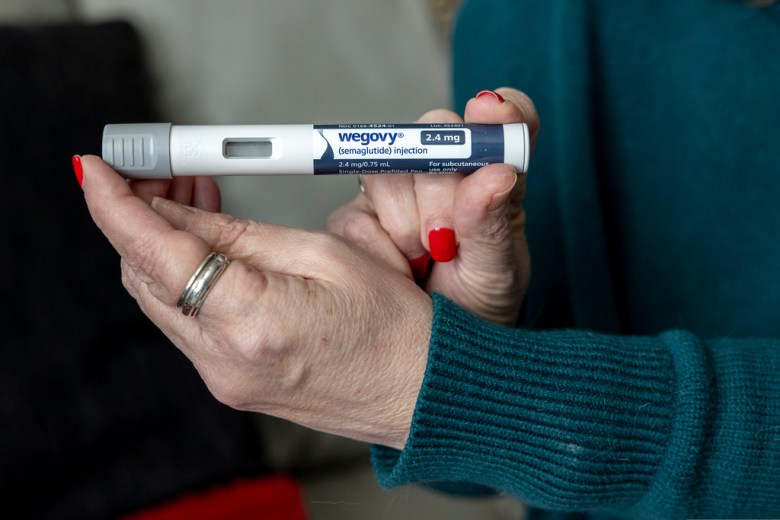
Colorado will cover GLP-1 medications for its roughly 40,000 state employees only for type 2 diabetes, cardiovascular disease and obstructive sleep apnea beginning July 1, 2025, a change state officials project will save nearly $17 million a year [1][2].
The state employee health plan began covering GLP-1 drugs in September 2022 [1]. Costs have climbed sharply since. The Department of Personnel & Administration reported spending $1.5 million from July through December 2023, $4 million in the six months that followed, and $7 million from July through December 2024 [1].
"The number of GLP-1 prescriptions covered by the state of Colorado has caused costs to double every six months," said Doug Platt, a spokesman for the administration. "In a difficult budget environment, tough decisions must be made by the legislature to deliver a balanced budget and protect critical funding for the issues Coloradans care about most." [1]
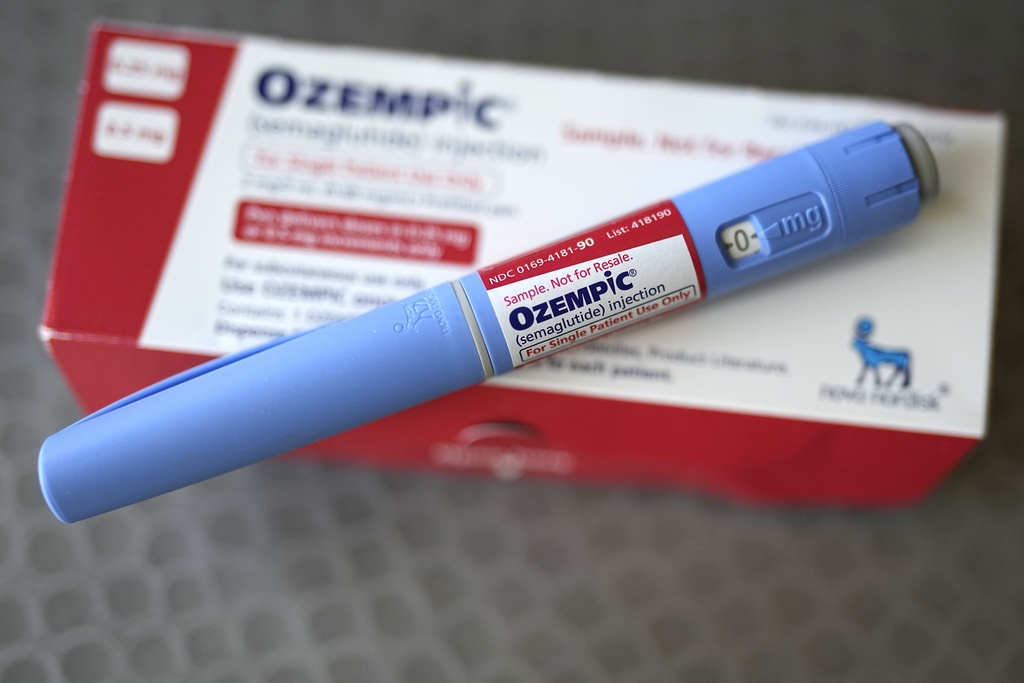
Employees who take the drugs for obesity instead of one of the three covered conditions would pay out of pocket, at more than $1,000 a month [1]. The department said 854 state employees had a GLP-1 prescription for obesity only as of July 2024, at an average state cost of just under $1,300 per prescription [1]. Hilary Glasgow, executive director of the Colorado WINS union, said state data showed 3,422 employees on Wegovy (semaglutide) last year, about 2,000 on Ozempic (semaglutide) and about 1,100 on Zepbound (tirzepatide), which is made by Eli Lilly [1].
State Sen. Dafna Michaelson Jenet, a Commerce City Democrat who receives GLP-1 treatment for obesity through her state insurance, said she was prediabetic before starting the medication, has lost 50 pounds and pays a $30 monthly copay. She said continuing the treatment on her own would cost her about $1,400 a month [1].
"We are going to be thrown back into a health state that is dangerous and expensive to care for," she said. "It's just so maddening that we have this medicine that solves a problem and we're saying it's not an important enough problem to solve." [1]
Glasgow said the union learned of the planned change only a few days earlier and that members she has spoken with are upset about it. She said the administration has agreed to talk through a solution. The department says a final decision will come through the legislature's budgeting process. [1]
Why it matters for patients
Colorado's decision matters beyond its own workforce because state employee plans are often a preview of how public insurers handle drug costs. As of March 2025, 11 states covered GLP-1s for weight loss under their state employee health plans, nine covered them under Medicaid, and five covered them under both programs [2].
Two states took similar steps before Colorado. West Virginia paused a 1,000-person pilot program in 2024, citing a cost of $1.3 million a month including rebates [2]. North Carolina ended weight-loss coverage effective April 1, 2024, after use rose 731 percent to more than 23,000 members; its plan board said keeping the benefit would have required a premium increase of $48.50 per member per month, and estimated 2024 costs above $170 million and more than $1 billion over six years [2]. Illinois moved the other way, adopting 2024 legislation requiring coverage of certain weight-loss and obesity drugs in its state employee plan, at an estimated first-year cost of $210 million [1][2].
For patients, the practical effect is that coverage of GLP-1s for obesity can change with a state budget cycle even after a prescription is already in place. Continuous coverage for type 2 diabetes, cardiovascular disease and obstructive sleep apnea would continue under the Colorado plan [1]. Whether current enrollees would receive a transition period, a grace period or an appeals process has not been reported [1].
What happens next
The change is scheduled to take effect July 1, 2025 [1][2]. Michaelson Jenet has introduced SB25-048, which would require private insurers and Medicaid to cover GLP-1s. A similar 2024 bill failed in the House Appropriations Committee after legislative analysts estimated $86 million in first-year state costs and at least $200 million in later years. She said she is "pessimistic" about the new measure. [1]
Coverage-mandate bills have been introduced in Arkansas, California, Maryland, New Mexico, Pennsylvania and Texas in 2025, and none are expected to gain traction this year, according to MultiState [2].
Images from the sources
Sources
Semaglutides.org provides information only, not medical advice. Talk to a licensed provider about your own care before making changes. Some telehealth links are affiliate links and are labeled where they appear.