High-dose Wegovy data fall short of Zepbound's numbers
A higher, 7.2 mg dose of Wegovy helped patients lose nearly 19% of their body weight in a trial, but that trailed the roughly 21% seen with Eli Lilly's Zepbound in its own study.
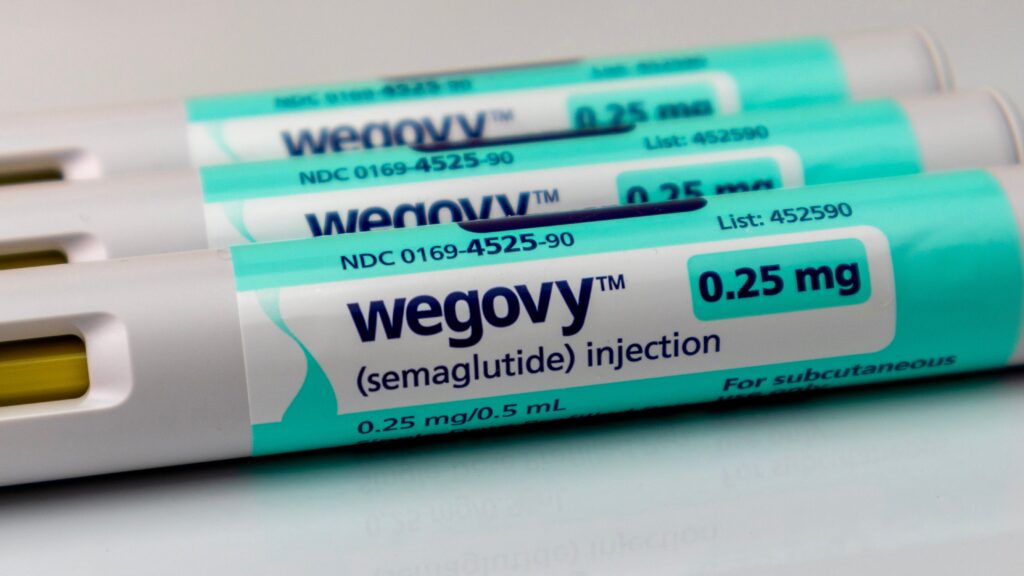
Novo Nordisk released new trial results on Jan. 17, 2025, showing that a higher dose of its obesity drug Wegovy produced substantial weight loss, but not as much as rival Eli Lilly's Zepbound has shown in its studies [1]. The results add to a growing picture that Lilly's tirzepatide-based drug may have an edge in how much weight it helps people lose.
In the 72-week study, patients taking a 7.2-milligram dose of semaglutide, the active ingredient in Wegovy, lost an average of 18.7% of their body weight. That figure includes all participants in the trial, regardless of how consistently they took the drug [1]. By comparison, patients on the currently approved 2.4-mg dose of Wegovy lost 15.6% of their weight, and those on placebo lost 3.9% [1].
Those numbers still fall short of what Lilly's Zepbound (tirzepatide) showed in its own pivotal trial, where patients lost 20.9% of their body weight over the same 72-week period [1]. The comparison is not a head-to-head study; each result comes from a separate trial run by a different company, so differences in study design and patient populations could affect the numbers. Still, the gap has sharpened concerns that Novo Nordisk is behind Lilly on raw efficacy heading into 2025 [1].
Novo Nordisk has faced pressure from investors to develop drugs that can match or beat the weight-loss results coming from Lilly's pipeline [1]. The higher 7.2-mg dose tested in this trial is not yet approved for patients; it represents an attempt by the company to push semaglutide's results closer to what tirzepatide has achieved.
Why it matters for patients
For people currently using or considering Wegovy, this trial does not change what is available today. The approved dose remains 2.4 mg, and its real-world results are already well documented. This new data is about a higher dose still working its way through the approval process, not something patients can access now.
The results do matter for people trying to weigh which GLP-1 drug might work better for them. Average weight loss numbers from clinical trials are useful for comparing drugs in general terms, but they describe group averages, not what happens to any one person. Someone's actual results depend on many factors not covered in this trial summary, including dose, how long they stay on treatment, and individual response.
The sources here do not include information on side effects, safety differences between the drugs, or how this new Wegovy dose might be priced or covered by insurance if approved. Those details are not yet known from the material at hand, and they matter as much as headline weight-loss percentages when people are deciding among treatment options.
What happens next
The source material does not specify a timeline for when, or if, the 7.2-mg dose of Wegovy might be submitted for regulatory approval or reach the market [1]. It is not yet known from available reporting whether Novo Nordisk plans further studies at this dose or how regulators might view the results. Patients and clinicians will likely be watching for additional trial data and any regulatory filings tied to this higher-dose version of semaglutide, as well as further results from Lilly's tirzepatide program that could keep shifting the efficacy comparison between the two companies' obesity drugs.
Images from the sources
Sources
Semaglutides.org is for information only and is not medical advice. Always talk to a licensed healthcare provider about your own care. Some links to telehealth services are affiliate links, labeled where they appear.