Legal trade press tallies the scale of Lilly's tirzepatide litigation
Eli Lilly has filed a new round of federal lawsuits against compounders selling unapproved tirzepatide, part of a widening legal campaign that could affect where patients get Zepbound and Mounjaro alternatives.
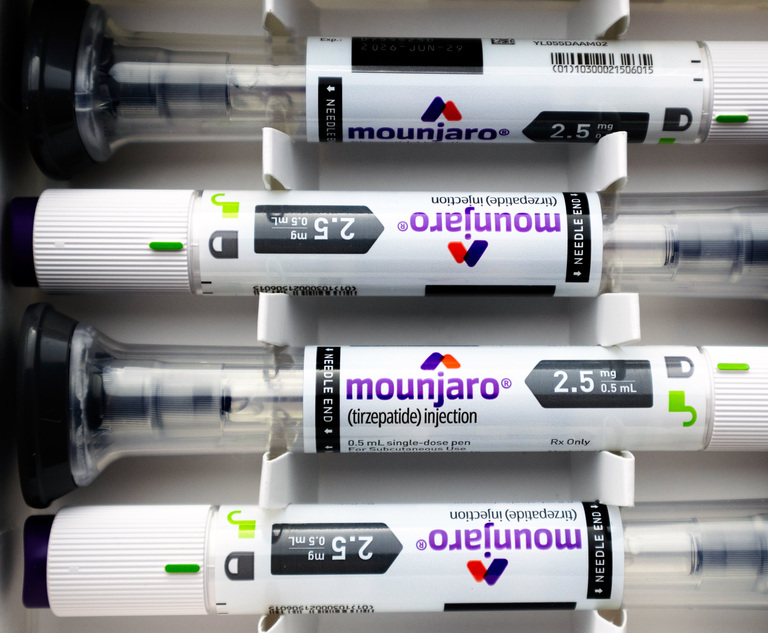
Eli Lilly and Co. has sued Willow Health Services and three other companies in federal court in New Jersey and California, accusing them of selling unapproved compounded tirzepatide products for weight loss without FDA approval or proper testing [1]. The filings were reported by Texas Lawyer on April 25, 2025, as part of legal trade press coverage tracking the scope of Lilly's litigation against sellers of compounded versions of its diabetes and weight-loss drugs [1].
Tirzepatide is the active ingredient in Lilly's brand-name drugs Mounjaro, approved for type 2 diabetes, and Zepbound, approved for chronic weight management. Compounded versions are typically made by pharmacies or other sellers using the same or similar active ingredient, without going through the FDA approval process that brand-name drugs undergo [1]. Lilly's lawsuits argue these products lack the agency's approval and have not been through the same testing as its own drugs [1].
The case against Willow Health Services was filed in New Jersey federal court, with related suits also filed in California [1]. Kirkland & Ellis is listed as a law firm involved in the litigation, according to Law.com's coverage [1]. Beyond these details, the article is limited by a paywall, and specific numbers such as total dollar amounts sought, the exact count of defendants nationwide, or the full list of companies named are not available in the source [1].
The headline framing from Texas Lawyer describes a shift from earlier individual lawsuits against med-spas to a more coordinated legal campaign now targeting pharmacies and platforms that sell compounded tirzepatide [1]. However, the source text itself does not spell out how many total lawsuits have been filed to date, in how many federal districts, or over what time period this shift occurred. That fuller tally is referenced in the headline description but not detailed in the available article text [1].
Why it matters for patients
For people currently using compounded tirzepatide, often bought through online pharmacies, med-spas, or telehealth platforms because it can cost less than Zepbound or Mounjaro, this litigation signals continued legal risk for the businesses supplying those products [1]. If courts side with Lilly, some sellers named in these suits could be ordered to stop selling compounded tirzepatide, which could affect product availability for patients who rely on it.
The suits also underscore Lilly's argument that these compounded products have not gone through FDA-approval testing, meaning less is publicly verified about their manufacturing consistency or safety compared with the approved brand-name drugs [1]. Patients weighing compounded options against brand-name Zepbound or Mounjaro may want to be aware that this legal landscape is actively shifting, though the source does not detail specific safety incidents tied to the named defendants' products.
What happens next
The source does not provide court dates, rulings, or a timeline for how these New Jersey and California cases will proceed [1]. It is not yet known from available reporting how many total suits exist nationwide, what remedies Lilly is seeking, or whether any defendants have responded in court filings. Readers should note that further trade press coverage, cited in the same Law.com piece, has continued to track health care litigation and regulatory trends into 2025 and 2026, suggesting this is an evolving legal area, but no additional tirzepatide-specific milestones are confirmed in the source [1].
Sources
Semaglutides.org is for information only and is not medical advice. Always talk to a licensed healthcare provider about your own care. Some links to telehealth services are affiliate links, labeled where they appear.