Zepbound reaches nearly 339,000 weekly US prescriptions
IQVIA data reported in trade coverage show Zepbound at nearly 339,000 US prescriptions in the week ending April 18, 2025, about 127,000 more than Wegovy [1].
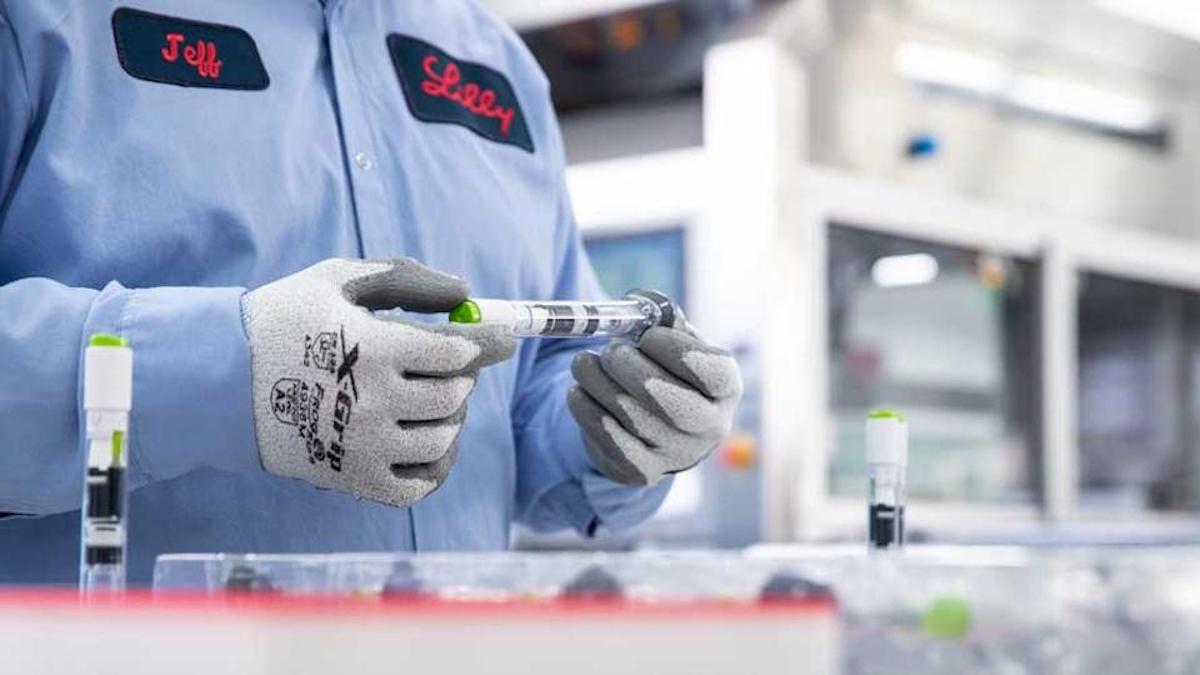
Eli Lilly's Zepbound (tirzepatide) pulled clearly ahead of Novo Nordisk's Wegovy (semaglutide) in US prescription volume this spring. IQVIA figures reported by Reuters and summarized in trade coverage counted nearly 339,000 Zepbound prescriptions in the week ending April 18, 2025 — roughly 127,000 more than Wegovy over the same week [1].
That gap matters because it reflects total weekly scripts, not just new patient starts. New-start share can swing quickly with marketing pushes or supply changes; total volume is a slower-moving measure that includes refills from people already on treatment. Zepbound leading on that measure suggests the shift is not just a burst of first-time prescriptions.
The money behind the numbers
Lilly's first-quarter results told a similar story. Zepbound sales quadrupled to $2.31 billion in the first three months of 2025 compared with the same period in 2024, while the diabetes version of the same molecule, Mounjaro, more than doubled to $3.84 billion [1]. Overall first-quarter revenue rose 45%, driven by those two products [1]. Novo Nordisk was scheduled to report its own first-quarter figures on May 7 [1].
One likely factor in the prescription trend: in a head-to-head trial, Zepbound was shown to be more effective than Wegovy at helping people lose weight [1]. The source does not give the trial's specific weight-loss percentages, so those numbers are not available here.
Market share does not equal coverage
The same week Lilly reported its quarter, it got bad news on access. CVS Health, one of the largest US pharmacy benefit managers, said it would no longer cover Zepbound — while keeping Wegovy on formulary after negotiating a price cut with Novo Nordisk [1]. Lilly shares closed down nearly 12% on the combination of that news and the company's decision not to raise its full-year revenue forecast, plus a slight cut to its profit prediction [1].
Lilly chief executive David Ricks said he was "not surprised" by the CVS decision, given Zepbound is "gaining a lot of market share," and said the company is "not interested at all in one of one deals [...] reducing access and choice for doctors and patients" [1]. He argued most affected employers would be smaller ones that do not typically cover obesity treatments, adding: "We'll work through it" [1].
Novo Nordisk has also been building direct-to-consumer channels, forging alliances with three leading telehealth companies to drive self-pay sales of Wegovy [1].
Why it matters for patients
The practical takeaway is that the most-prescribed drug is not necessarily the one your plan will pay for. Those are two separate systems. Prescription counts reflect what doctors write and patients fill; formulary decisions reflect rebate negotiations between manufacturers and PBMs, and they can change with little warning for an individual plan.
For people whose pharmacy benefit runs through CVS Caremark, the exclusion of Zepbound meant coverage could shift toward Wegovy, potentially requiring a new prescription and a new titration under a different molecule. Lilly's own CEO framed the impact as concentrated among smaller employers that often exclude obesity drugs entirely [1], but the source does not quantify how many covered lives were affected, and that number is not yet known from this coverage.
It is also worth separating effectiveness from availability. The head-to-head trial result [1] speaks to average weight loss across a study population, not to what any one person will experience or to what a plan will approve. Those are decisions to work through with a prescriber and with your plan's formulary documents.
What happens next
Novo Nordisk reported first-quarter results on May 7, 2025, which would show how Wegovy's revenue tracked against its prescription volume [1].
Lilly also pointed ahead to orforglipron, its once-daily oral follow-up to Zepbound. Ricks said data from three of seven phase 3 trials should arrive by the end of 2025, along with first regulatory filings, and said he is "excited by the possibility of an oral that could be more widely distributed around the world" [1]. A pill that does not need refrigeration or injection could change both the supply picture and the negotiating dynamics that drive formulary exclusions like the CVS decision — but approval timing and pricing are not yet known.
Sources
Semaglutides.org is for information only and is not medical advice. Always talk to a licensed healthcare provider about your own care. Some links to telehealth services are affiliate links, labeled where they appear.