CVS Caremark's Zepbound exclusion takes effect
Starting July 1, 2025, CVS Caremark's largest commercial formulary stopped covering Zepbound for weight management, pushing an estimated 25 million to 30 million members toward Wegovy or cash prices.
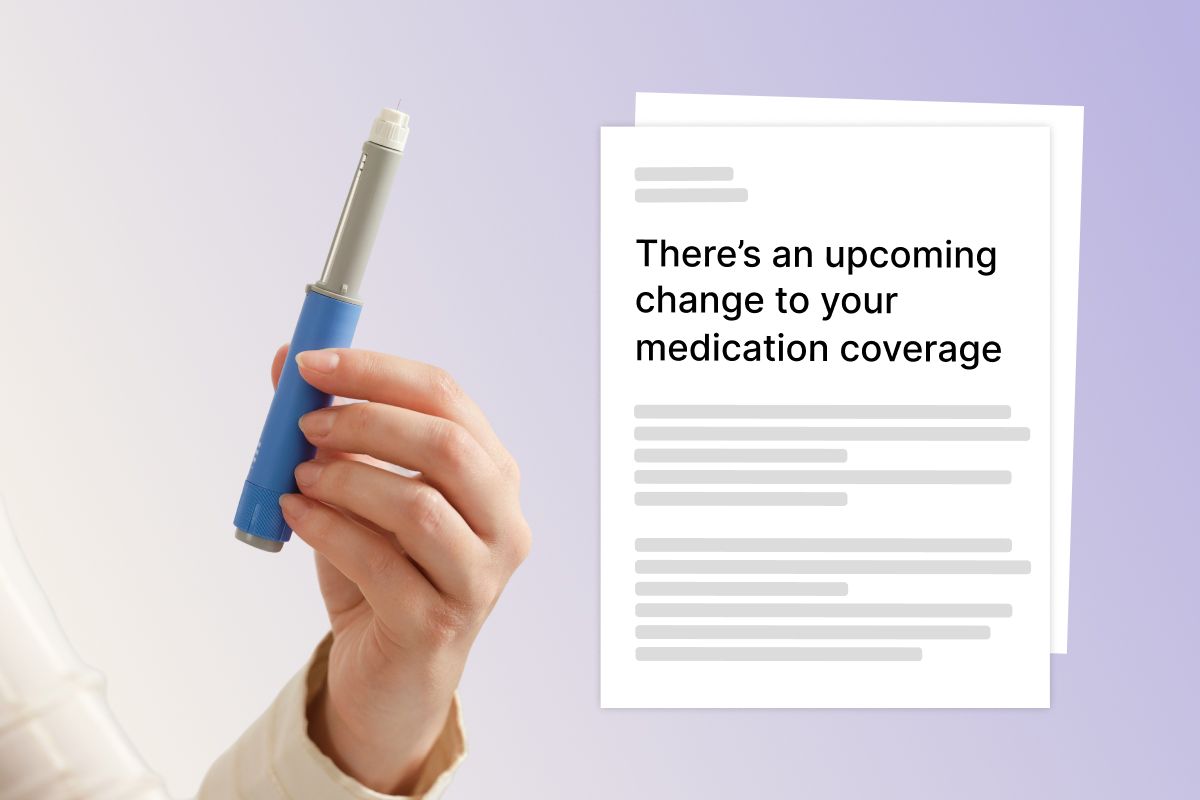
CVS Caremark, one of the country's largest pharmacy benefit managers, removed Eli Lilly's Zepbound (tirzepatide) from its most common commercial formulary template on July 1, 2025, making Novo Nordisk's Wegovy (semaglutide) the preferred injectable for obesity [1][5]. The change applies to a formulary template covering between 25 million and 30 million people [1][4].
Caremark announced the switch on May 1, 2025 and sent letters to affected members that month [4][5]. "This change is happening because there's another covered medication that's safe and effective for your condition and may cost less," the letter said. "Please keep in mind, if you refill your current medication on or after 7/1/2025, you'll need to pay the full cost" [1]. CVS Health said the move is "forcing the drug manufacturers to compete with one another," adding that "the egregiously high list prices set by drug manufacturers of GLP-1s for weight loss are the single biggest barrier to patient access" [1].
What the rules actually say
Under the new design, Wegovy became the preferred obesity option, with orlistat, Qsymia and Saxenda also on the list [2]. Members moving from Zepbound to Wegovy did not need a new prior authorization; existing approvals were transitioned, and Zepbound approvals expired on their original end dates [2].
Patients who wanted to stay on tirzepatide had to go through a formulary exception. Requests could be submitted starting June 16, 2025, and only the prescriber could file the clinical documentation [2]. The core requirement: the member must have tried and failed Wegovy, or be unable to take it because of intolerance or a contraindication [2]. "Failure" was defined narrowly as tolerating Wegovy but having an inadequate response [2]. Standard weight-management criteria still applied, including six months in a comprehensive weight management program before therapy and documented BMI, plus at least 5% weight loss from baseline for continuation requests [2].
Notably, the Wegovy-first rule also applied to people already approved for Zepbound to treat moderate-to-severe obstructive sleep apnea, an indication Wegovy does not carry from the FDA. "All members, regardless of indication, will need to have tried and failed Wegovy before they can access tirzepatide," Massachusetts' Group Insurance Commission wrote, explaining that the sleep apnea benefit is attributed to weight loss by any effective method [2]. Approved Zepbound exceptions carried a tier 3 copay; Mounjaro, the tirzepatide product for type 2 diabetes, stayed at tier 2 and was not disrupted [2]. If an exception was denied, a member could still fill Zepbound at full cost [2].
Why it matters for patients
Clinicians told CNN that switching GLP-1s is not a one-for-one swap. Side effects, injection-site reactions and tolerance differ between drugs, and changing medications often interrupts a weight-loss trajectory, said Dr. Jody Dushay of Beth Israel Deaconess Medical Center [1]. Head-to-head evidence also differs by source: trials have found tirzepatide produces more weight loss than semaglutide [1], while the Massachusetts GIC argued that "real world evidence suggests that they are comparable in actual use" [2].
Cost matters too. Wegovy's list price is $1,349 a month; Novo Nordisk sells it directly through NovoCare Pharmacy for $499 a month, and the company says 90% of patients have a copay of $0 to $25 [5]. Mid-year formulary changes are generally not a qualifying event, so members could not switch health plans in response [2].
The effect showed up quickly in prescribing data. Truveta found that anti-obesity tirzepatide prescription rates grew only 0.03 percentage points from June to July 2025, versus an average of 0.06 points per month since January 2024, while anti-obesity semaglutide rose 0.1 points, its largest one-month gain in the study period [4]. First-time tirzepatide prescriptions declined slightly, the first monthly drop in nearly a year [4]. Truveta cautions the analysis did not evaluate causality [4].
What happens next
CVS Health later reversed course: on May 28, 2026, it said Zepbound would return to its commercial formularies as an additional preferred option on October 1, 2026, and that a new-to-market block on Foundayo (orforglipron) would be removed effective June 1, 2026 where plans approve coverage [6]. Separately, Blue Cross Blue Shield of Massachusetts planned to exclude all GLP-1s for obesity treatment in January, covering them only for type 2 diabetes [1].
Images from the sources
Sources
- https://www.cnn.com/2025/07/01/health/zepbound-wegovy-insurance-cvs-bcbs-weight-loss
- https://www.mass.gov/news/cvs-caremark-decides-to-remove-zepbound-from-cvs-caremark-formulary
- https://www.indystar.com/story/news/health/2025/07/30/zepbound-switch-wegovy-cvs-caremark-insurance-weight-loss-eli-lilly-novo-nordisk/84233714007/
- https://www.truveta.com/blog/research/research-insights/impact-of-the-cvs-glp-1-formulary-change-trends-in-prescribing/
- https://www.managedhealthcareexecutive.com/view/cvs-caremark-to-place-wegovy-as-preferred-glp-1-for-weight-loss
- https://www.cvshealth.com/news/company-news/cvs-caremark-delivers-affordability-and-access-to-glp-1-weight-management-medications-with-expanded-coverage-options.html
- https://www.findhonestcare.com/treatments/zepbound/insurance/cvs-caremark
- https://www.getclaimable.com/post/cvs-caremark-denied-zepbound-here-s-what-to-do-if-you-don-t-want-to-switch-to-wegovy
- https://www.mercer.com/en-us/insights/us-health-news/glp-1-considerations-for-2026-your-questions-answered
- https://www.findhonestcare.com/treatments/wegovy/insurance/cvs-caremark
- https://www.managedhealthcareexecutive.com/view/cvs-caremark-to-put-zepbound-back-on-formulary-and-add-foundayo
Semaglutides.org is for information only and is not medical advice. Always talk to a licensed healthcare provider about your own care. Some links to telehealth services are affiliate links, labeled where they appear.