FDA and HHS issue dozens of warning letters to GLP-1 compounders and telehealth firms
FDA sent more than 50 warning letters in September 2025 over GLP-1 marketing claims, targeting compounders, telehealth sites like Hims & Hers, and drugmakers Lilly and Novo Nordisk.
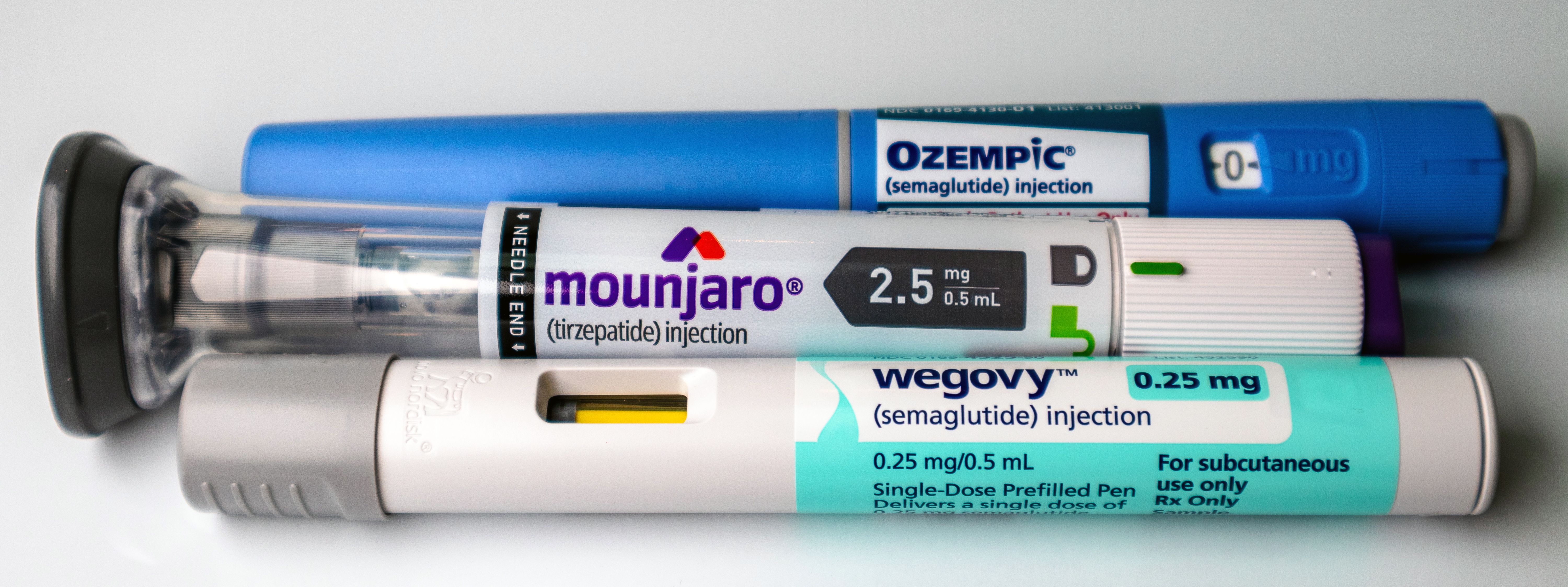
The U.S. Food and Drug Administration, working with the Department of Health and Human Services, released a batch of warning letters in September 2025 accusing compounding pharmacies, telehealth platforms and brand-name drugmakers of making false or misleading claims about GLP-1 medicines [1][3]. Most of the letters were dated September 9, 2025, and were made public in the days that followed [3][5].
Sources describe the size of the action slightly differently. One law firm summary says the FDA issued "dozens" of warning letters covering compounders, telehealth platforms and manufacturers [1]. Another counts more than 50 letters sent to U.S. and international companies that compound or manufacture semaglutide and tirzepatide, and notes the agency kept publishing new letters after the initial wave [3]. Separately, FDA Commissioner Marty Makary said the agency intended to send roughly 100 cease-and-desist notices, along with thousands of other letters, as part of a broader crackdown on deceptive drug advertising [5].
What the FDA objected to
For compounders, the agency zeroed in on claims of sameness. The FDA said statements that compounded products are "generic versions" of approved drugs, or contain the "same active ingredient" with equivalent safety and effectiveness, are false or misleading [3]. The agency stressed that it does not evaluate compounded drugs for safety, effectiveness or quality, and that they are not the same as the FDA-approved versions [3]. Marketing language promising "real results" or "proven effectiveness" for weight loss also drew warnings [3].
Telehealth was not spared. Hims & Hers Health received a warning about its compounded semaglutide products after the FDA reviewed the company's website in August 2025 and found what it called false or misleading claims [5].
Brand manufacturers received letters too. The FDA treated a 42-minute March 18, 2024 ABC prime-time special hosted by Oprah Winfrey, "Shame, Blame, and the Weight Loss Revolution," as promotional material for the companies' GLP-1 products [4][5]. In its letter to Eli Lilly, the agency said the video created a misleading impression about the safety of Zepbound and Mounjaro (both tirzepatide), omitted the boxed warning for thyroid C-cell tumors, and left out the contraindication for people with a personal or family history of multiple endocrine neoplasia type 2 [4][5]. The FDA also said the program omitted risks including severe gastrointestinal disease, acute kidney injury, hypersensitivity reactions, hypoglycemia, suicidal behavior and ideation, and diabetic retinopathy complications in people with type 2 diabetes [4]. A paid consultant's on-air description of side effect concerns as "a lot of hype" and "overhyped" and "mild to moderate" misleadingly minimized the risks, the agency wrote [4]. Lilly received three letters about different GLP-1 promotions; Novo Nordisk, which markets semaglutide as Ozempic and Wegovy, received one [4].
The enforcement followed the end of the shortage era. The FDA lifted the tirzepatide shortage designation in late 2024 and told compounders to stop; semaglutide had come off the shortage list earlier [2]. Those shortage listings had been the legal basis, under Sections 503A and 503B of the Federal Food, Drug, and Cosmetic Act, for pharmacies to compound copies of the approved drugs [2].
Why it matters for patients
If you have seen a website advertising a cheaper "generic" semaglutide or tirzepatide, the FDA's position is that such language is misleading, because compounded drugs are not FDA-approved and have not been reviewed by the agency for safety, effectiveness or quality [3]. Compounded versions may also come from sources the seller does not clearly disclose [2].
The letters also touch the brand side. The FDA's complaint about the Oprah special was that serious risks listed on the labels were downplayed or skipped [4], which is a reminder that TV segments and influencer content are marketing, not full prescribing information.
What happens next
Companies that received warning letters had 15 working days to respond with a corrective action plan or a justification [3]. The FDA said failure to fix the violations could lead to further enforcement, including product seizure or an injunction [3]. Lilly and Novo Nordisk were told to stop the promotions immediately and submit plans to send corrective communications to the same audiences [4]. How individual companies responded is not detailed in these sources.
Sources
- https://www.bipc.com/oral-semaglutide-and-the-glp-1-compounding-reckoning-from-regulatory-ambiguity-to-fda-enforcement,-doj-referrals,-and-novo-nordisk%E2%80%99s-case-against-hims-and-hers
- https://www.frierlevitt.com/articles/fda-warning-letters-hims-novo-nordisk-compounded-glp1/
- https://www.wsgr.com/en/insights/fda-sends-warning-letters-to-more-than-50-glp-1-compounders-and-manufacturers.html
- https://www.biospace.com/policy/fdas-ad-crackdown-targets-novo-lillys-oprah-special-on-glp-1s
- https://www.pharmtech.com/view/lilly-novo-hims-get-fda-warnings-about-misleading-drug-communications
Semaglutides.org is for information only and is not medical advice. Always talk to a licensed healthcare provider about your own care. Some links to telehealth services are affiliate links, labeled where they appear.