SAFE Drugs Act of 2025 introduced in Congress
A bipartisan bill introduced December 9, 2025 would cap how much compounded "copycat" medicine a pharmacy can make each month and force interstate shippers to report to the FDA — rules that could reshape telehealth access to compounded GLP-1s. [1][2]
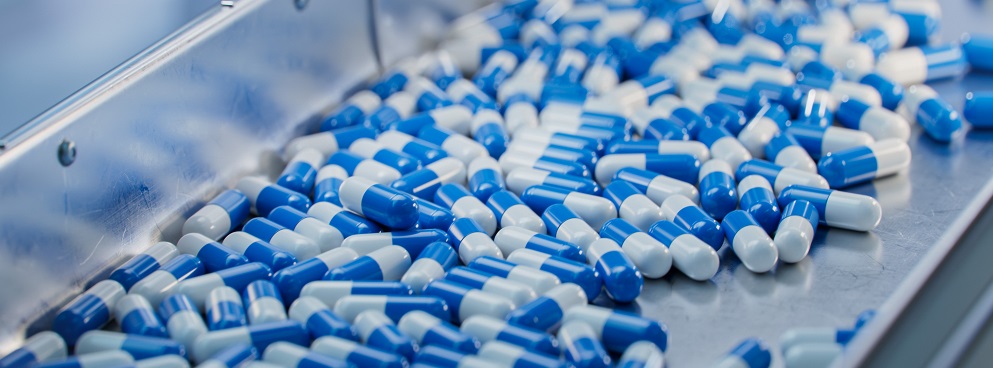
A bill that would tighten federal rules on compounded drugs — including compounded semaglutide and tirzepatide — was introduced in Congress on December 9, 2025. The Safeguarding Americans from Fraudulent and Experimental (SAFE) Drugs Act of 2025, H.R. 6509, would amend the federal Food, Drug, and Cosmetic Act and was immediately referred to the House Committee on Energy and Commerce [1]. A Senate companion was introduced in early February 2026 by Sen. Jim Banks (R-Ind.), cosponsored by Sen. Martin Heinrich (D-N.M.) [2].
The sponsors describe the bill as a way to stop "untested, unapproved, and potentially dangerous mass compounded drugs" [1] and to keep compounders from "mass-producing risky drugs in unregulated and uninspected facilities" [2]. The names of the House sponsors are not given in the sources available for this story.
What the bill would do
The bill targets two categories of compounders. Traditional 503A pharmacies would face a written definition of what counts as "essentially a copy of a commercially available drug product," which is currently spelled out only in FDA guidance that does not carry legally enforceable obligations [1]. Under the bill, a 503A pharmacy could not compound more than 20 units per month of any drug that is essentially a copy of a commercially available product, unless the formula is tailored to an individual patient [1]. The Senate summary describes this as a "clear monthly limit" meant to create consistency and reduce litigation, without naming a number [2].
A second provision would create a new paper trail for mail-order and telehealth models. Compounding pharmacies, facilities, or physicians that ship more than 20 compounded prescriptions containing active ingredients found in commercially available drugs to patients living outside their state would have to file annual reports with the FDA listing the products and quantities involved [1]. Drugs compounded by a pharmacy on a hospital's premises for that hospital's own patients would be exempt — a carve-out that suggests Congress is aiming at telehealth-linked and independent compounders that operate across state lines [1].
Larger 503B outsourcing facilities would face inspection requirements: an FDA inspection before a facility begins compounding a new drug, plus re-inspection every two years for facilities that compound more than 100 products in a calendar year [1][2]. The Senate version would also raise the base outsourcing facility user fee to a level set by HHS to pay for those inspections [2].
Why it matters for patients
Compounded GLP-1s spread widely through online and telehealth channels during the shortages and have continued to be sold even after GLP-1s were removed from the FDA drug shortage list [1]. The FDA does not approve compounded drugs for safety, effectiveness, or quality before they are marketed [1]. Regulators have raised concerns that some compounded products are marketed like approved drugs, have been linked to dosing errors and adverse events, and may use active ingredients from unregistered or foreign sources [1][2].
If the bill became law, the practical effect for consumers would likely be fewer large-volume compounded copies of approved semaglutide and tirzepatide products moving across state lines, and more federal visibility into who is shipping what. The bill leaves room for a prescriber's judgment when a patient needs something clinically different from the commercial product [1][2]. What the sources do not say is how quickly any of this would take effect, what the penalties would be, or how personalized doses and combination formulas would be treated in practice.
Enforcement is already ramping up regardless of the bill. In September 2025, the FDA and HHS launched an initiative against misleading advertising of compounded drugs, sending warning letters to telehealth providers and companies that promoted compounded GLP-1s, flagging terms like "generic" or "clinically proven" as potentially misbranded advertising [1]. Separately, a coalition of 38 state attorneys general raised concerns about contaminants, incorrect dosages, and online sales of GLP-1 ingredients labeled "research use only" but sold to consumers without prescriptions [1].
What happens next
H.R. 6509 sits with the House Energy and Commerce Committee after its December 9, 2025 referral [1]. The Senate companion was introduced the week of February 6, 2026 [2]. Neither source reports a scheduled hearing or vote. Groups including the Alliance for Safe Online Pharmacies, the National Association of Manufacturers, the Partnership for Safe Medicines, and the American Diabetes Association have voiced support [2].
Sources
- https://www.dykema.com/news-insights/congress-introduces-safe-drugs-act-of-2025-expanding-fda-oversight-of-compounded-glp-1-drugs-and-telehealth-providers.html
- https://www.banks.senate.gov/news/press-releases/senator-jim-banks-introduces-safe-drugs-act-to-crack-down-on-risky-and-fraudulent-weight-loss-drugs/
Semaglutides.org is for information only and is not medical advice. Always talk to a licensed healthcare provider about your own care. Some links to telehealth services are affiliate links, labeled where they appear.