Lilly commits $3.5 billion to a Pennsylvania injectable obesity-drug plant
Eli Lilly will spend more than $3.5 billion on a Lehigh Valley, Pennsylvania plant to make injectable weight-loss drugs, including the experimental retatrutide — but it won't open until 2031 [1][2].
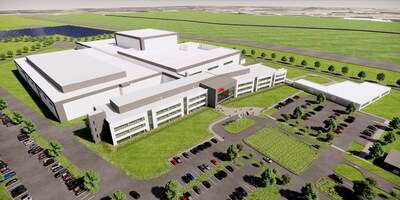
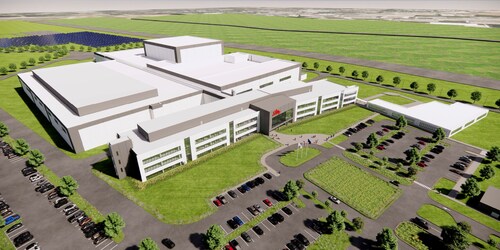
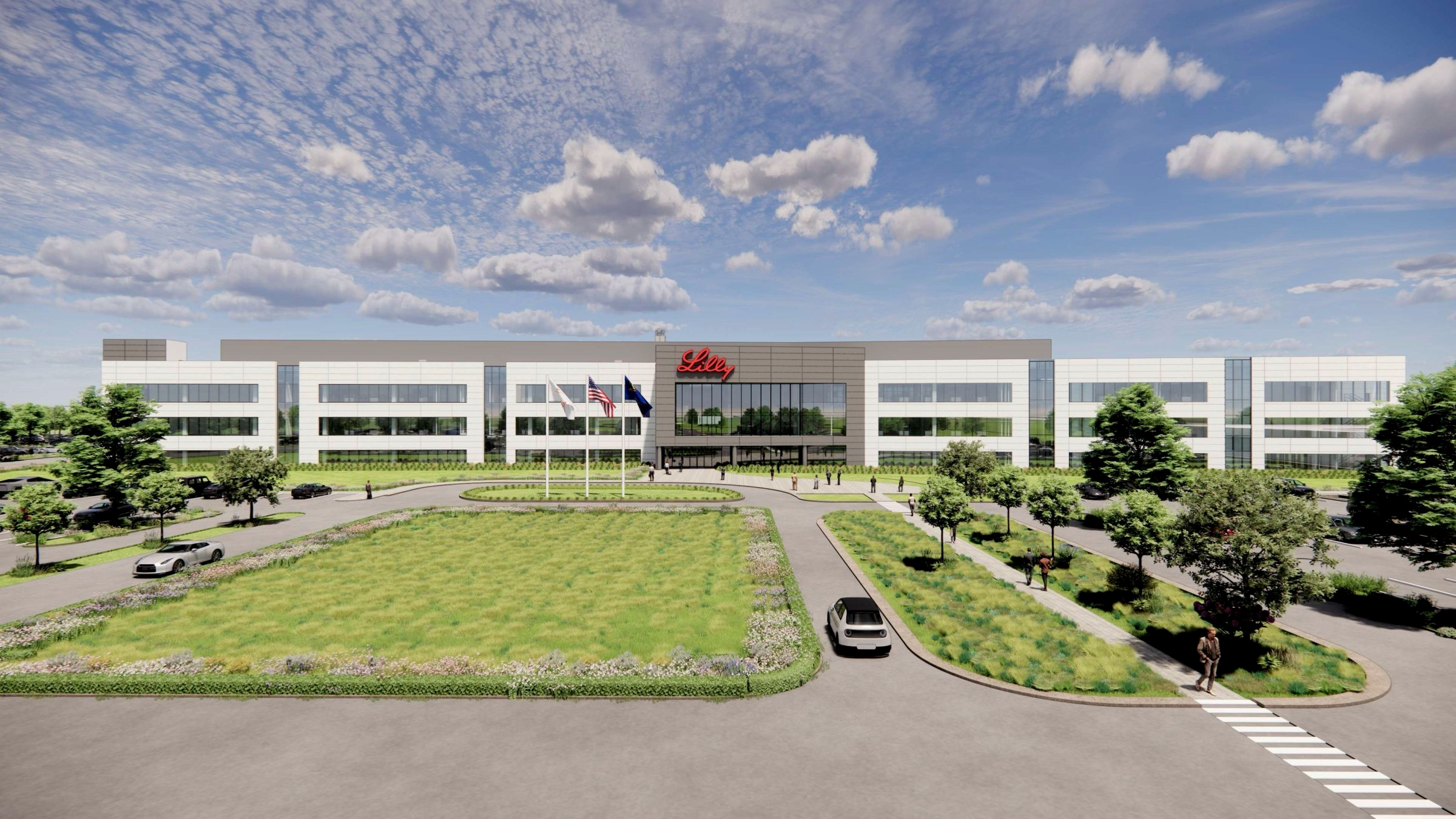
Eli Lilly said on January 30, 2026 that it will invest more than $3.5 billion in a new injectable medicine and device manufacturing plant in Fogelsville, in Pennsylvania's Lehigh Valley. The site is slated to produce next-generation weight-loss therapies, including retatrutide, an investigational triple hormone receptor agonist that targets GIP, GLP-1 and glucagon [1]. Construction is expected to begin in 2026, and the plant is expected to be operational in 2031 [1][2].
The numbers
The facility is Lilly's fourth new U.S. manufacturing site announced since February 2025, and its 10th announced since 2020 [1]. Reuters reported that Lilly pledged in early 2025 to invest more than $27 billion in four new U.S. plants [2]; the company now says its capital expansion commitments since 2020 total more than $50 billion, spanning new sites in Alabama, Pennsylvania, Texas, Virginia, North Carolina and Indiana, plus expansions in Puerto Rico, Indianapolis and Wisconsin [1].
Lilly says the Pennsylvania site will bring 850 high-value jobs — engineers, scientists, operations staff and lab technicians — plus about 2,000 construction jobs, for more than 2,800 total [1]. The location was picked from more than 300 applications, partly for its nearness to STEM universities, its existing infrastructure and local zoning and incentives [1][4].
Public money is part of the deal. Pennsylvania's Department of Community and Economic Development offered Lilly up to $50 million in PA Edge tax credits, a $25 million PA SITES grant and a $25 million Pennsylvania First grant, plus up to $5 million through the Redevelopment Assistance Capital Program for a community college or technical school workforce training pipeline [3]. Governor Josh Shapiro described the commitment as $100 million and called it the largest life sciences investment in state history [2][3]. Adding the training award brings the total above $100 million [3].
Lilly CEO David Ricks said at a press conference in Allentown that "all these sites, including this one, will be really state of the art manufacturing to last many decades to come," and added, "We're finding these medicines are quite popular, but we still have work to do to expand access, to improve affordability" [2].
Why it matters for patients
Manufacturing capacity is one of the things that has shaped GLP-1 supply and price over the past few years. More domestic fill-finish and device capacity is aimed at making supply steadier — Lilly's manufacturing chief, Edgardo Hernandez, said the plant will "increase access to next-generation weight-loss treatments and improve the domestic supply of essential medicines" [1]. But this plant will not affect supply of tirzepatide (Mounjaro, Zepbound) or anything else in 2026. It is scheduled to open in 2031 [1][2].
The drug Lilly singled out, retatrutide, is still investigational. It is not approved by the FDA, and Lilly's own release labels it a "first-in-class investigational" medicine [1]. Reuters noted that retatrutide outperformed Zepbound in a late-stage osteoarthritis trial reported in December 2025 [2]. What retatrutide would cost, or when it might be approved, is not stated in these sources.
There is also a tariff backdrop. Reuters reported that drugmakers including Lilly, Pfizer and Merck are expanding U.S. production as President Donald Trump has threatened import tariffs on pharmaceuticals [2]. Building in the U.S. can shield a company from those costs, though nothing in the announcement ties the investment to a specific price for patients.
On the pricing side, the nearest-term news is separate: Reuters reported that Lilly plans to launch its weight-loss pill in several countries at a $150-a-month cash price as it works toward U.S. approval "in the coming months" [2]. That pill is orforglipron, sold as Foundayo. The sources do not say whether U.S. cash pricing will match the $150 figure.
What happens next
- 2026: Construction is expected to start at the Fogelsville site [1][2]. State officials said they are working through the PA Permit Fast Track Program to move permitting quickly [3].
- Over the next five years: Pennsylvania expects at least 850 new jobs tied to the project [3].
- 2031: The plant is expected to be operational [1][2].
Whether retatrutide is approved by then, and how much of the plant's output goes to which products, is not yet known. Lilly's release carries a standard warning that timing, cost and capacity could all differ from current expectations [1].
Images from the sources
Sources
- https://investor.lilly.com/news-releases/news-release-details/lilly-selects-pennsylvania-home-its-newest-injectable-medicine
- https://www.reuters.com/business/healthcare-pharmaceuticals/eli-lilly-build-35-billion-pennsylvania-plant-us-manufacturing-push-2026-01-30/
- https://www.pa.gov/governor/newsroom/2026-press-releases/governor-shapiro-secures-historic--3-5-billion-investment-from-l
- https://www.prnewswire.com/news-releases/lilly-selects-pennsylvania-as-home-for-its-newest-injectable-medicine-and-device-manufacturing-facility-302674760.html
- https://endpoints.news/lilly-unveils-3-5b-factory-that-will-make-retatrutide-and-other-obesity-drugs/
Semaglutides.org is for information only and is not medical advice. Always talk to a licensed healthcare provider about your own care. Some links to telehealth services are affiliate links, labeled where they appear.