FDA issues 30 warning letters to telehealth companies marketing compounded GLP-1s
The FDA says 30 telehealth firms made false or misleading claims about compounded semaglutide and tirzepatide, including suggesting the products are the same as FDA-approved drugs.
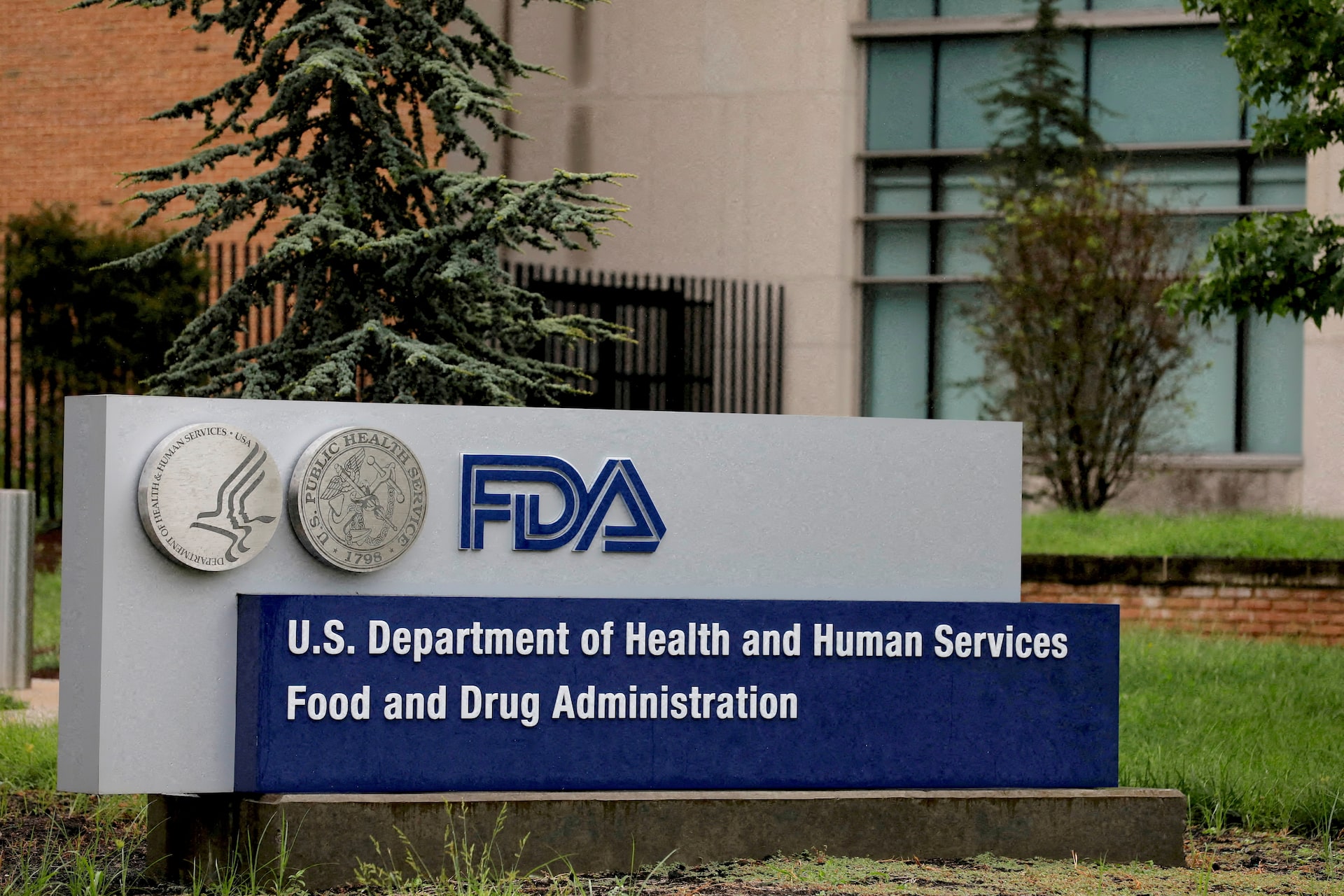
The U.S. Food and Drug Administration announced on March 3, 2026 that it had issued 30 warning letters to telehealth companies over false or misleading claims about compounded GLP-1 products sold on their websites [1]. The letters target advertising for compounded semaglutide and tirzepatide, with a few companies also cited over a third drug, liraglutide [2].
According to the FDA, the main violations fell into two buckets. First, companies made claims implying "sameness" with FDA-approved products — in other words, suggesting a compounded version is equivalent to an approved drug [1]. Second, firms obscured where their products actually came from by advertising drugs branded with the telehealth company's own name or trademark without qualification, which could make customers think the telehealth firm is the compounder or manufacturer [1][2].
Semaglutide is the active ingredient in Novo Nordisk's Wegovy and Ozempic; tirzepatide is the active ingredient in Eli Lilly's Zepbound and Mounjaro; liraglutide is sold by Novo Nordisk as Saxenda [2]. The companies that received letters have 15 working days to respond in writing and describe how they will correct the violations [2]. The FDA's announcement did not name the 30 companies, and the sources available here do not list them.
"It's a new era. We are paying close attention to misleading claims being made by telehealth and pharma companies across all media platforms—and taking swift action," FDA Commissioner Marty Makary said in a statement [1]. He added that compounded drugs "can be important for overcoming shortages or meeting unique patient needs—but compounders should not try to compound drugs in a way that circumvents FDA's approval process" [1].
A wider advertising crackdown
This is the second batch of warning letters sent to telehealth firms since the agency launched a crackdown on misleading direct-to-consumer drug advertising in September [1][2]. The first round went to companies that make or sell weight-loss drugs, including Eli Lilly, Novo Nordisk and telehealth firm Hims & Hers Health, as part of an order from President Donald Trump to tighten drug advertising [2]. The FDA says that over the past six months it has sent thousands of letters warning pharmaceutical and telehealth firms to remove misleading ads — more than it sent over the entire preceding decade [1].
The action also follows separate pressure on the compounded GLP-1 market. Reuters notes that Hims & Hers came under scrutiny after the FDA warned in February that it could take action over the company's $49 compounded weight-loss pill, and that Novo Nordisk sued the company that same month [2].
Why it matters for patients
The practical issue is what "compounded" actually means. Compounded drugs are not FDA-approved, which means the agency does not review their safety, effectiveness or quality before they are marketed [1]. They are also not the same as generic drugs, which are FDA-approved [1]. Compounding is defined as a licensed pharmacist or physician combining, mixing or altering drug ingredients to meet the needs of an individual patient [2].
That matters because the marketing the FDA flagged blurs those lines. If a website implies a compounded product is the same as Wegovy or Zepbound, or puts a telehealth brand name on a vial without saying who actually made it, a customer may not know what regulatory review — if any — stands behind the product they are injecting or swallowing, or which pharmacy produced it [1][2].
The letters are an enforcement step, not a recall or a safety finding about any specific batch. The sources do not say that any product was found to be contaminated, mislabeled in strength, or linked to patient harm. Nor do they say whether the companies will keep selling compounded GLP-1s while they respond.
What happens next
The 15-working-day clock for written responses started when the letters were issued [2]. Warning letters typically become public in the FDA's online warning letter database, which is where the identities of the 30 firms and the specific claims cited would appear [1]. What the FDA will do if companies do not correct the violations is not stated in these sources.
Sources
Semaglutides.org is for information only and is not medical advice. Always talk to a licensed healthcare provider about your own care. Some links to telehealth services are affiliate links, labeled where they appear.