FDA says it will restrict GLP-1 ingredients used in compounded drugs
The FDA said on Feb. 6 it will restrict the GLP-1 active ingredients used in unapproved compounded drugs, and HHS referred telehealth seller Hims & Hers to the Justice Department.

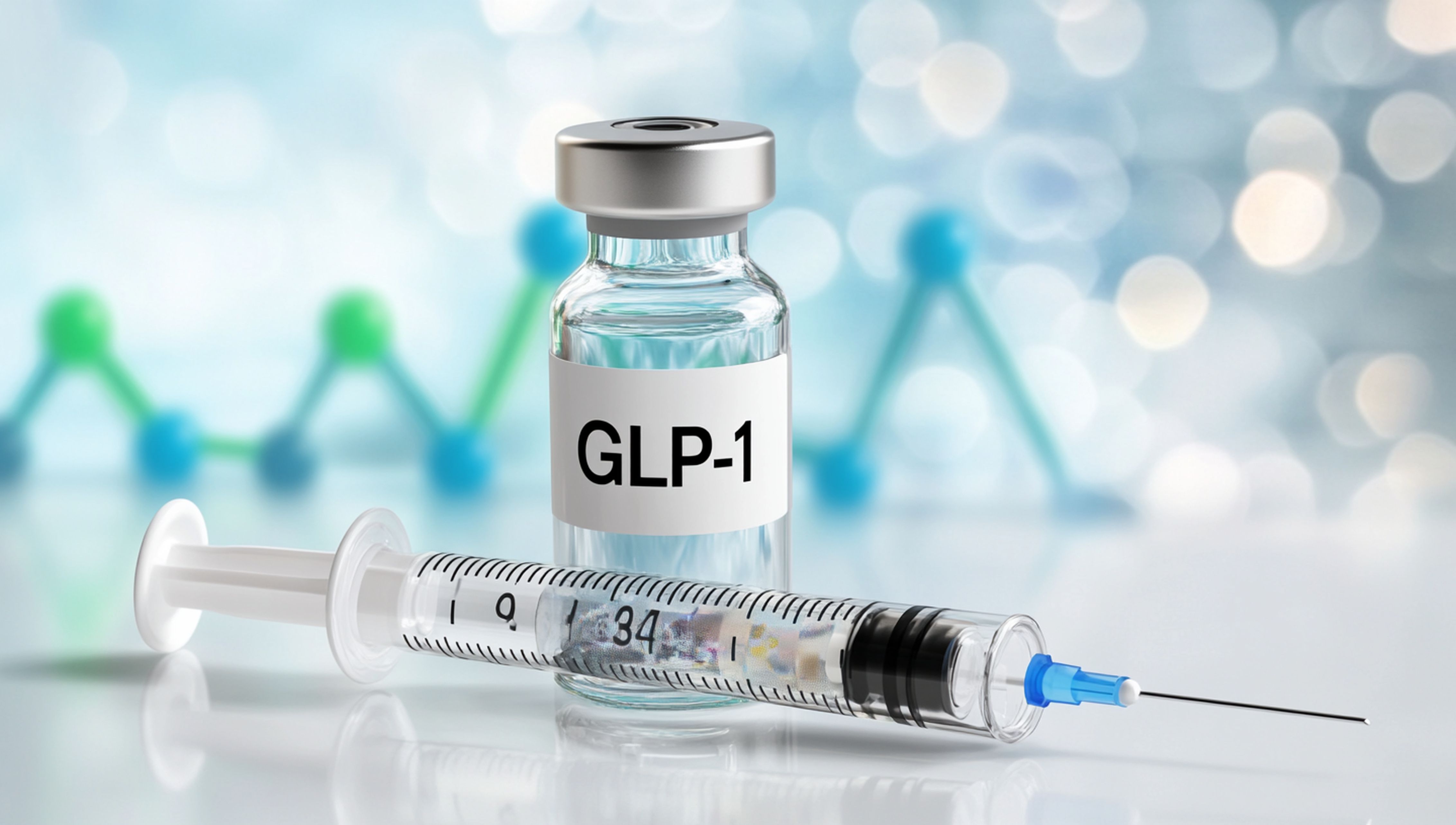
The FDA announced on February 6, 2026, that it intends to restrict the active pharmaceutical ingredients (APIs) used in unapproved compounded GLP-1 drugs that are being mass-marketed as alternatives to approved medicines, citing quality, safety and possible violations of the Federal Food, Drug, and Cosmetic Act [3]. The same day, the Department of Health and Human Services said it would refer telehealth company Hims & Hers to the Department of Justice for investigation [1][4].
The announcement landed one day after Hims & Hers began selling a compounded semaglutide pill at an introductory price of $49 a month, roughly $100 less than Novo Nordisk's branded Wegovy pill, which launched in the US in January [1][2][5]. On February 7, Hims reversed course. "Since launching the compounded semaglutide pill on our platform, we've had constructive conversations with stakeholders across the industry. As a result, we have decided to stop offering access to this treatment," the company said [1]. Hims did not respond to a Reuters question about whether it would keep selling compounded semaglutide injections [1].
What the FDA actually said
FDA Commissioner Martin Makary said the agency will "use all available compliance and enforcement tools within its authorities to address unsubstantiated claims and associated public health concerns" [1]. The agency's release warned that "entities engaged in the manufacture, distribution, or marketing of unapproved compounded GLP-1 products should be aware that failure to adequately address any violations may result in legal action without further notice, including, without limitation, seizure and injunction" [3][5].
The FDA also said companies cannot promote unapproved compounded products as generic versions or the equivalent of approved drugs, or claim they use the same active ingredient or produce the same clinical results [3]. That follows more than 55 warning letters the agency sent to online sellers of compounded semaglutide and tirzepatide on September 16, 2025, over misleading direct-to-consumer advertising [5].
Alongside the enforcement news, the FDA restated specific safety concerns about compounded GLP-1s: injectable versions need refrigeration, and the agency has received reports of shipments arriving warm or with too few ice packs, which can degrade the drug. The FDA advised that injectable GLP-1 drugs arriving in those conditions should not be used [3]. It also flagged fraudulent compounded semaglutide and tirzepatide labeled with nonexistent compounding pharmacies, or with the names of licensed pharmacies that did not actually make the product [3].
Exactly what "restrict the API" will mean is not yet spelled out. Attorneys following the case note options could include red-listing foreign API makers, more inspections, warning letters, seizures, or a rulemaking to add semaglutide to a "demonstrably difficult to compound" list that has been proposed but never finalized [2].
Why it matters for patients
Compounded GLP-1s are not FDA-approved and have not gone through clinical trials proving they work [1]. For people who have been buying them because approved drugs cost too much or were hard to get, the practical question now is supply. If the FDA limits the raw ingredient that compounders rely on, the cheapest products on the market could become harder to find, and the $49 Hims pill is already gone [1].
Prices for approved products have been moving too. TrumpRx launched on February 5, 2026, listing semaglutide tablets at $149 to $299 a month versus $1,349, semaglutide injections at $199 to $349 versus $1,349, and tirzepatide injections at $299 to $449 versus $1,087 [5]. Those are cash prices and do not reflect what any individual's insurance would charge.
A separate consequence: pharmacists and telehealth prescribers can expect tighter scrutiny of counseling records, marketing language and documentation, which may change how these services operate [2][5]. The FDA has said compounded drugs should generally be used only when medically necessary, with prescriptions filled at state-licensed pharmacies [3].
What happens next
On February 9, 2026, Novo Nordisk sued Hims & Hers for infringing US Patent No. 8,129,343 with its compounded semaglutide products, seeking a permanent injunction and alleging mass compounding with "inauthentic API" [2][5]. Lawyers call it the first patent infringement case against 503A compounded semaglutide [2].
Eli Lilly's own weight-loss pill was expected to launch in April [1]. A Lilly spokesperson said, "No one should be mass-compounding or selling knockoff GLP-1 products regardless of how they're administered" [1].
The FDA has not published a timeline or the legal mechanism for the API restrictions, and it is not yet clear whether the DOJ referral will produce charges [1][2].
Images from the sources
Sources
- https://www.reuters.com/legal/litigation/hims-hers-stop-offering-compounded-semaglutide-pill-after-fda-crackdown-2026-02-07/
- https://www.healthlawalliance.com/blog/fda-and-novos-uncharted-waters-to-exert-pressure-on-hims-hers-and-glp-1-compounders
- https://www.ajmc.com/view/fda-to-restrict-ingredients-used-in-mass-marketed-compounded-glp-1s-crack-down-on-misleading-ads
- https://endpoints.news/us-calls-for-doj-investigation-of-hims-over-glp-1-drugs/
- https://www.pharmacytimes.com/view/fda-and-novo-nordisk-warned-of-glp-1-telehealth-compounding-take-down-what-s-next-
Semaglutides.org is for information only and is not medical advice. Always talk to a licensed healthcare provider about your own care. Some links to telehealth services are affiliate links, labeled where they appear.