FDA releases 30 warning letters to telehealth firms over compounded GLP-1 claims
The FDA says 30 telehealth companies made false or misleading claims about compounded GLP-1 products, including suggesting they are the same as FDA-approved semaglutide or tirzepatide.
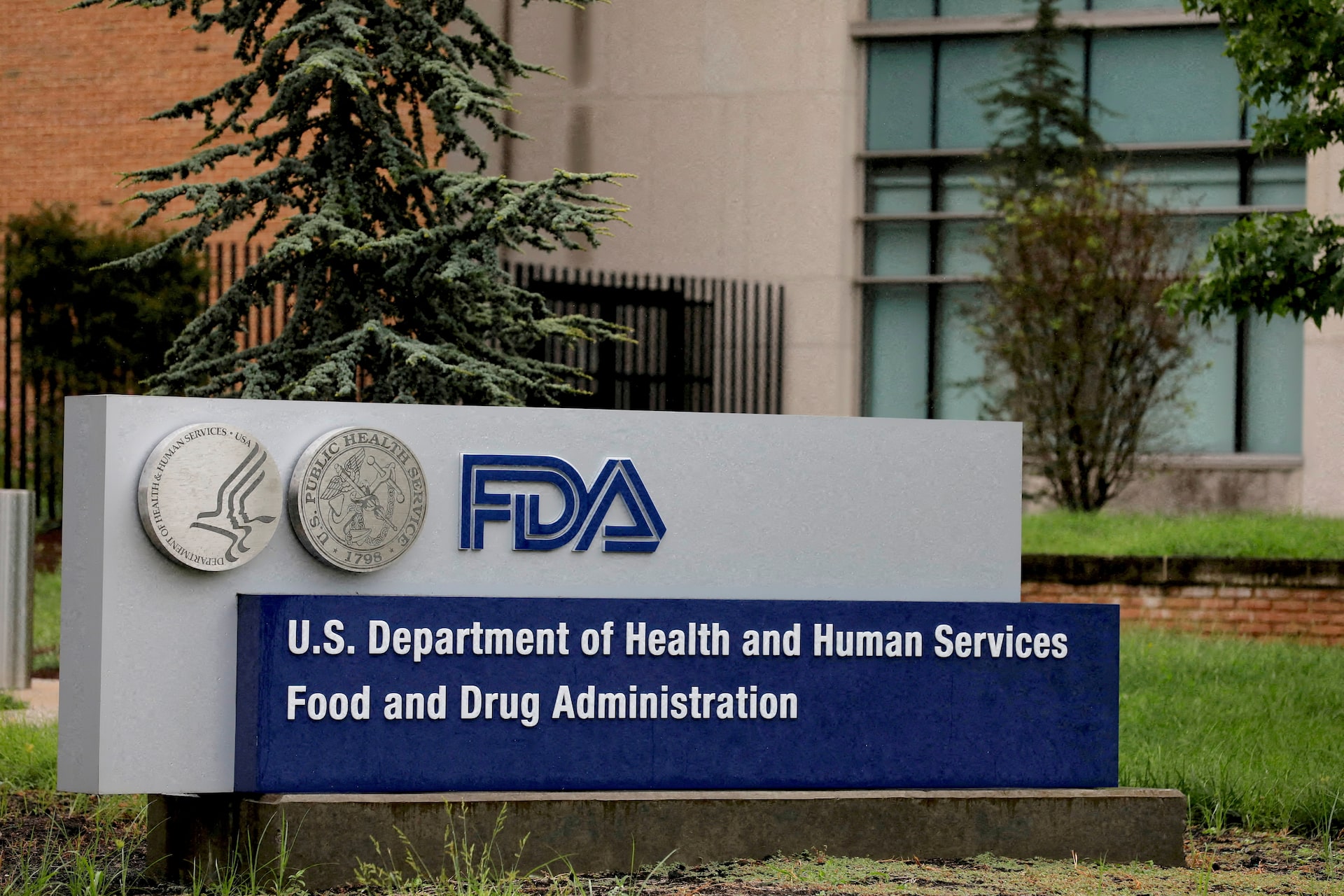
The U.S. Food and Drug Administration announced on March 3, 2026 that it had issued 30 warning letters to telehealth companies over false or misleading claims about compounded GLP-1 products sold on their websites [4]. The agency said the main problems were claims implying "sameness" with FDA-approved drugs and branding that hid who actually compounded the medicine [4].
"It's a new era. We are paying close attention to misleading claims being made by telehealth and pharma companies across all media platforms—and taking swift action," FDA Commissioner Marty Makary said in the announcement [4]. He added that compounded drugs "can be important for overcoming shortages or meeting unique patient needs—but compounders should not try to compound drugs in a way that circumvents FDA's approval process" [4].
What the letters say
According to a legal analysis of the batch, the letters were dated February 20, 2026 and made public on March 3, and were signed by Matthew J. Lash, acting director of the Office of Compounding Quality and Compliance in FDA's Center for Drug Evaluation and Research [1]. They allege violations of Sections 502(a) and 502(bb) of the Federal Food, Drug, and Cosmetic Act, which bar false or misleading drug labeling and advertising [1].
The FDA said some companies suggested their compounded products contained "the same ingredients" as branded drugs or had been "tested in clinical trials" [1]. Others advertised products branded with the telehealth firm's own name or trademark without saying who compounded them, which the agency said implied the telehealth company was the compounder [4]. One law firm analysis noted the FDA did not address the separate question of whether these compounded GLP-1s are "essentially a copy" of approved drugs, which would make them ineligible for compounding under Section 503B [5].
Recipients have 15 working days to respond with corrective steps, including identifying their compounding sources, providing labeling samples and removing misleading website claims [1][2]. Companies that do not respond face possible further action "without further notice, including, without limitation, seizure and injunction" [1].
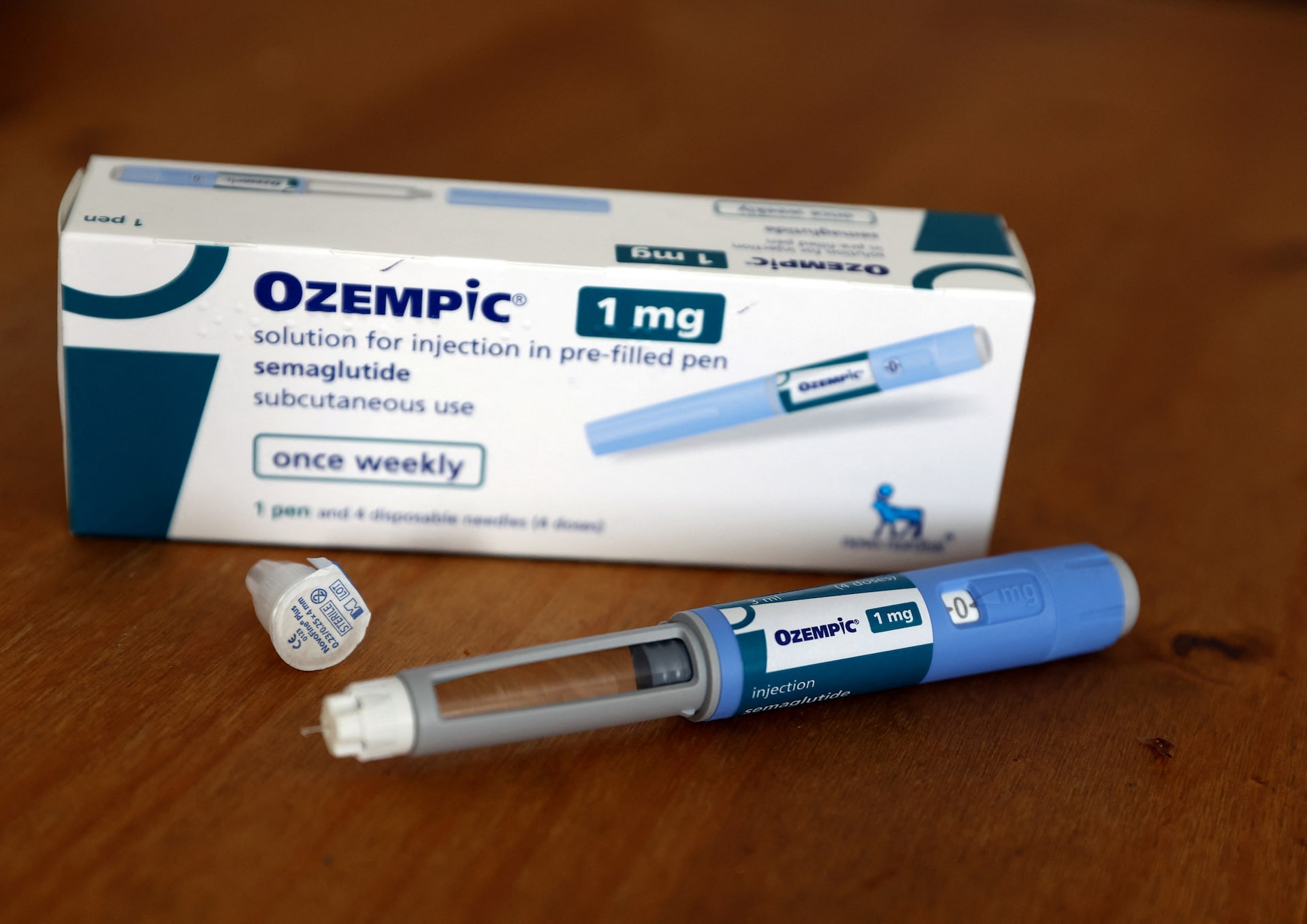
The FDA said this was the second group of warning letters to telehealth firms since it launched a crackdown on misleading direct-to-consumer drug ads in September [4]. Over the prior six months, the agency said it sent thousands of letters to pharmaceutical and telehealth firms about misleading ads—more than in the entire preceding decade [4]. The same day, Reuters reported the FDA also warned Novo Nordisk over an online Ozempic ad; Novo said it received an "untitled letter" and is responding [3].
The sources reviewed here do not name the 30 companies that received letters.
Why it matters for patients
Compounded drugs are not FDA-approved, which means the agency does not review their safety, effectiveness or quality before they are sold [4]. They are also not the same as generic drugs, which are FDA-approved [4]. If you have seen marketing that says a compounded semaglutide or tirzepatide product is "the same as" Ozempic, Wegovy, Mounjaro or Zepbound, or that it was proven in clinical trials, the FDA's position is that those claims can be materially misleading [1][4].
The FDA has published a list of telehealth "red flags" for consumers, including companies that claim a compounded drug is the same as an approved drug, offer prices that seem too good to be true, ship medicine that looks different from what a local pharmacy dispensed, or do not require screening and a prescription from a licensed doctor [6]. The agency has also flagged dosing errors with compounded injectable semaglutide that led to adverse events and some hospitalizations, products arriving warm or with too little ice, and fraudulent labels naming pharmacies that do not exist or did not make the product [6]. It says retatrutide and cagrilintide cannot lawfully be used in compounding [6].
Not everyone agrees with the FDA's framing. Scott Brunner, CEO of the Alliance for Pharmacy Compounding, said he was "puzzled" that Makary emphasized the scale of compounders' marketing rather than its truthfulness, and noted the Supreme Court has held that "lawful pharmacies cannot be broadly prohibited from communicating truthful information about their services" [1].
What happens next
Responses to the February 20 letters were due within 15 working days [1]. Separately, Novo Nordisk and Hims & Hers announced on March 9, 2026 that Hims & Hers will sell branded Ozempic and Wegovy and stop advertising compounded GLP-1s except where medically necessary, with Novo dismissing its patent suit while reserving the right to refile [1].
Images from the sources
Sources
- https://www.frierlevitt.com/articles/fda-warning-letters-hims-novo-nordisk-compounded-glp1/
- https://www.patientcareonline.com/view/fda-issues-warning-letters-30-telehealth-companies-over-misleading-compounded-glp-1-ra-marketing
- https://www.reuters.com/business/healthcare-pharmaceuticals/us-fda-warns-novo-second-time-about-misleading-ozempic-advertising-2026-03-03
- https://www.fda.gov/news-events/press-announcements/fda-warns-30-telehealth-companies-against-illegal-marketing-compounded-glp-1s
- https://www.venable.com/insights/publications/2026/03/fdas-latest-glp-1-crackdown-what-compounders
- https://www.fda.gov/drugs/drug-alerts-and-statements/fdas-concerns-unapproved-glp-1-drugs-used-weight-loss
- https://www.pharmacytimes.com/view/fda-and-novo-nordisk-warned-of-glp-1-telehealth-compounding-take-down-what-s-next-
- https://www.fiercepharma.com/pharma/fda-ramps-crackdown-glp-1-drug-compounders-fresh-batch-30-warning-letters
- https://www.reuters.com/business/healthcare-pharmaceuticals/us-fda-warns-30-telehealth-firms-over-misleading-marketing-compounded-glp1-drugs-2026-03-03/
Semaglutides.org is for information only and is not medical advice. Always talk to a licensed healthcare provider about your own care. Some links to telehealth services are affiliate links, labeled where they appear.