FDA proposes excluding tirzepatide from the 503B bulks list
FDA has formally proposed keeping semaglutide, tirzepatide and liraglutide off the 503B bulks list, a step that would end large-scale compounding of these drugs if finalized.
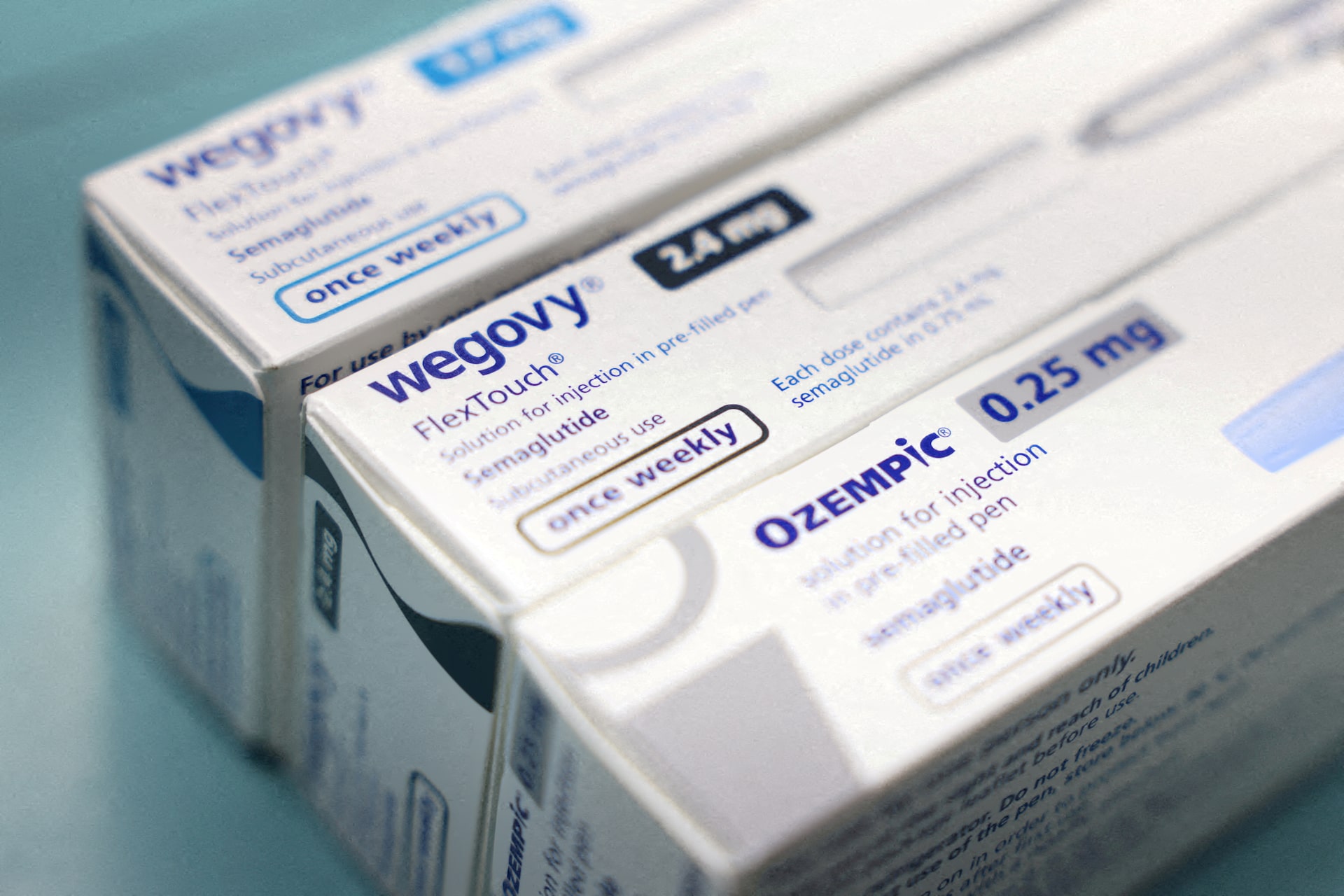
The U.S. Food and Drug Administration announced on April 30, 2026 that it is proposing to exclude semaglutide, tirzepatide and liraglutide from the 503B bulks list, saying it found "no clinical need" for outsourcing facilities to compound these drugs from bulk substances [1]. The proposal was published in the Federal Register on May 1, 2026 as a 14-page notice under docket FDA-2018-N-3240, document number 2026-08552, at 91 FR 23431 [2].
The 503B bulks list controls which raw active ingredients FDA-registered outsourcing facilities may use when compounding. In most cases, those facilities cannot compound from a bulk substance unless it is on the list, or unless the compounded drug is on FDA's shortage list at the time it is made, distributed and dispensed [1]. Semaglutide is the molecule in Ozempic, Wegovy and Rybelsus; tirzepatide is the molecule in Mounjaro and Zepbound [5].
"When FDA-approved drugs are available, outsourcing facilities cannot lawfully compound using bulk drug substances unless there is a clear clinical need," FDA Commissioner Marty Makary said in the announcement [1]. The agency said it reviewed the nominations it received for all three substances and did not find sufficient evidence of clinical need, a determination the law ties to patient safety and medical necessity [1].
What the notice actually examined
The Federal Register document works through the specific arguments compounders made. For semaglutide, it has separate sections on "oral sublingual" and buccal products, injectable products, oral products, proposals for formulations without certain excipients, and multi-ingredient products [2]. For tirzepatide, it covers oral, sublingual and buccal products, injectables and multi-ingredient products [2]. Those categories map closely onto what telehealth sellers have offered: sublingual drops, and injections stacked with additives such as B12 [3][4].
One reason FDA and manufacturers have pointed to additives: a peer-reviewed 2026 study cited in trade coverage reported that compounding tirzepatide with vitamin B12 produces a chemical bond forming a novel molecule not present in the approved drug, at levels up to 10% of total polypeptide content, with unknown human effects [4]. FDA had received more than 480 adverse event reports tied to compounded tirzepatide and more than 520 tied to compounded semaglutide as of April 2025, including dosing errors in which patients drew 10 to 20 times the intended amount from multidose vials [4].
Why it matters for patients
This is the regulatory record behind a supply shift that has been building for months. Trade coverage says FDA ended enforcement discretion on April 1, 2026 for 503A pharmacies making "essentially a copy" of tirzepatide and semaglutide at telehealth scale, leaving 503A pharmacies limited to patient-specific compounding with a documented clinical justification [3]. The 503B proposal targets the other channel — bulk, batch-scale production [1]. Together, those two actions cover most of the pipeline that low-cost compounded GLP-1 programs, including below-label and microdosing offerings, have relied on [3].
Nothing changes the day the notice publishes. The proposal is not final, and FDA said it will consider comments before making a final determination [1]. As of May 2026, compounded tirzepatide was still being sold through telehealth at roughly $179 to $399 a month, according to one commercial comparison site [3]. Sources disagree on branded cash-pay pricing: one lists LillyDirect Zepbound at $299 for the starter dose and $399 to $699 for maintenance doses [3], while another lists $299 for 2.5 mg and $449 for 7.5–15 mg maintenance [4].
What happens next
The dates in the record do not line up cleanly. FDA's press release asks for comments by June 29, 2026 [1]; the Federal Register notice says comments close June 30, 2026 [2]. A separate notice extending the comment period was published June 26, 2026 under the same docket [2], and one later article states the period closed July 30, 2026, with a final ruling pending [4].
When FDA will issue a final determination, and what transition period if any would follow, is not stated in these sources. Anyone weighing options can discuss them with their prescriber.
Images from the sources
Sources
- https://www.fda.gov/news-events/press-announcements/fda-proposes-exclude-semaglutide-tirzepatide-and-liraglutide-503b-bulks-list
- https://www.federalregister.gov/documents/2026/05/01/2026-08552/list-of-bulk-drug-substances-for-which-there-is-a-clinical-need-under-section-503b-of-the-federal
- https://www.glp1comparehub.com/compounded-tirzepatide
- https://klinic.com/blog/compounded-tirzepatide
- https://www.statnews.com/pharmalot/2026/04/30/fda-weight-loss-drugs-new-rule-would-end-glp-1-compound-pharmacy/
- https://www.aha.org/news/headline/2026-04-22-cms-delays-part-d-portion-balance-model-expansion-glp-1-access
- https://www.fda.gov/drugs/human-drug-compounding/human-drug-compounding-policies-and-rules
- https://www.healthlawalliance.com/blog/tirzepatide-compounding-enforcement
- https://www.reuters.com/business/healthcare-pharmaceuticals/us-fda-proposes-excluding-weight-loss-drugs-compounding-list-2026-04-30/
- https://www.lilly.com/medicines/safety/counterfeit
Semaglutides.org is for information only and is not medical advice. Always talk to a licensed healthcare provider about your own care. Some links to telehealth services are affiliate links, labeled where they appear.