GoodRx and NPR document 12 million people losing Zepbound coverage
An analysis of formulary data covering more than 190 million people found 12 million lost Zepbound coverage and 12 million lost Wegovy coverage from 2025 to 2026, with 88% of those still covered facing restrictions [1][2].
Twelve million people lost commercial insurance coverage for Zepbound between 2025 and 2026, and the same number lost coverage for Wegovy, according to research by the drug discount company GoodRx that NPR reported on April 22, 2026 [1]. Among people who still have coverage for a GLP-1 prescribed for weight loss, 88% face some kind of restriction before the plan will pay [1][2].
The GoodRx analysis uses formulary data from the health care analytics firm MMIT, reflecting drug coverage for more than 190 million commercial and health exchange lives [1][2]. A formulary is the list of drugs a health plan agrees to cover. GoodRx sorts plans into three buckets: unrestricted coverage, restricted coverage (meaning prior authorization, step therapy, or both), and no coverage at all [2].
What the numbers show
Zepbound (tirzepatide) has moved the most. The share of covered lives with no coverage for it went from 18.3% in November 2024 to 50.5% in August 2025 [2]. Wegovy (semaglutide) has held steadier on paper — no coverage slipped from 18.5% in 2024 to 15.0% in 2025 — but unrestricted coverage fell from 14.2% to 9.9% over the same stretch, meaning more people who are technically covered must clear a hurdle first [2].
Those hurdles are not small. NPR reports that restrictions typically include prior authorization or a requirement that the patient have a body mass index of 40, well above the BMI of 30 that clinically defines obesity [1]. Some people with coverage still pay hundreds of dollars a month because their plan covers only a small share of the price, and people with no coverage can face out-of-pocket costs exceeding $1,400 a month [1][2].
The sources do not all point the same direction. GoodRx's tracker is a live page, and its later July 2026 update puts Zepbound's no-coverage figure at 59.5% — more than 114 million people, which it describes as an additional 17 million since 2025 — while saying 1.6 million people actually gained some form of Wegovy coverage in 2026, with 27 million still lacking it [2]. The 12 million figures NPR cites reflect the analysis as of April 2026 [1]. Employer surveys also diverge: the International Foundation of Employee Benefit Plans found employers covering GLP-1s for weight loss and Type 2 diabetes rose from 34% in 2024 to 36% in 2025, while KFF found large firms that said they do not cover obesity drugs rose from 52% to 57% over the same period [1].
Why it matters for patients
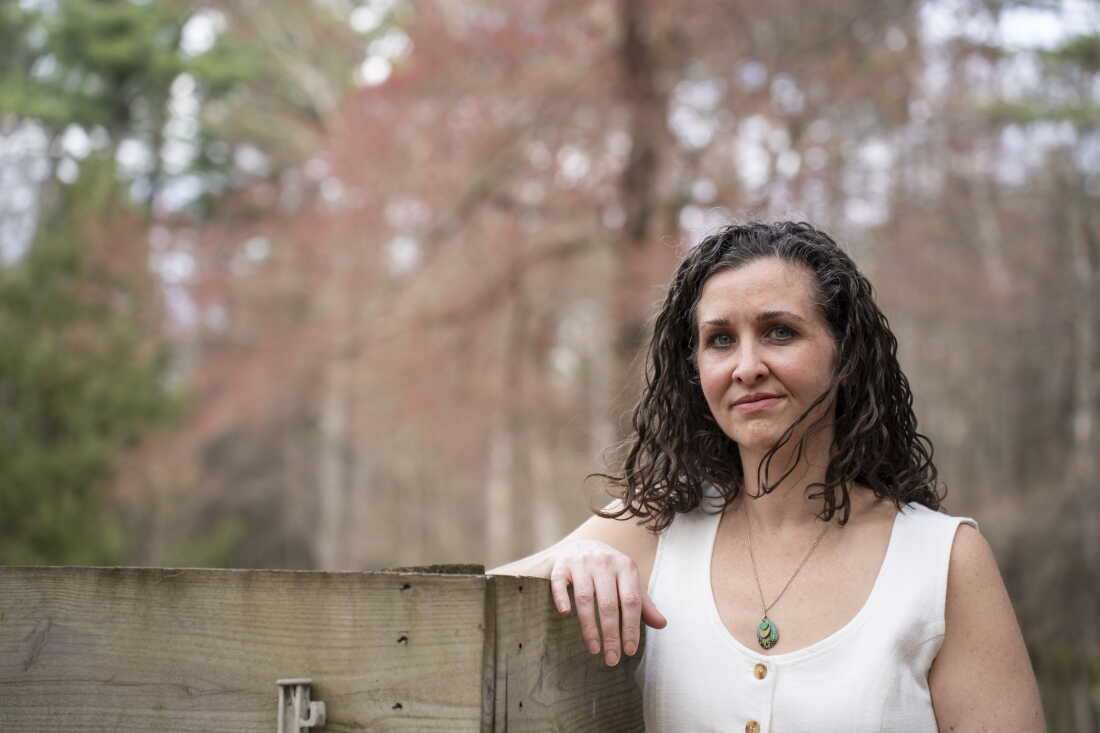
Coverage can change mid-treatment, and it can change more than once. NPR profiled Meghan Lena, a Massachusetts special education teacher who was paying a $30 monthly copay for Zepbound and had lost 50 pounds when CVS Caremark dropped the drug from its formulary in July 2025 [1]. She switched to Wegovy, Caremark's preferred option — then her employer's plan dropped Wegovy in October, the same month her premium rose 20% in a change the insurance trust attributed to GLP-1 costs [1].
Cost math is shifting for clinicians too. Dr. Catherine Varney, obesity medicine director at UVA Health, told NPR that about 60% of her roughly 1,000 patients on obesity drugs pay out of pocket, and that it is sometimes cheaper for patients to skip insurance entirely than to meet a deductible and still owe $200 a month [1]. Lena now pays about $300 a month for a compounded medication prescribed by her doctor, compared with Eli Lilly's $450 cash price for her Zepbound dose [1]. Compounded drugs are not generics and do not go through FDA approval [1].
Industry groups push back on the picture. A spokesperson for the Pharmaceutical Care Management Association said employers and pharmacy benefit managers have made "huge progress" [1]. CVS Caremark spokesman Phillip Blando said "the egregiously high list prices set by drug manufacturers of GLP-1s for weight loss are the single biggest barrier to patient access" [1].
What happens next
GoodRx says it will keep updating the tracker as formularies change [2]. Two dated moves are already logged: Cigna stopped covering both Zepbound and Wegovy for its own employees as of June 2026, and CVS Caremark is adding Zepbound back to its standard formulary in October 2026 [2]. Foundayo (orforglipron), the oral GLP-1 that FDA approved in April 2026, starts with limited access — more than 66 million people lack commercial coverage for it [2]. Whether any of these shifts reverse the broader trend is not yet known.
Images from the sources



Sources
Semaglutides.org is for information only and is not medical advice. Always talk to a licensed healthcare provider about your own care. Some links to telehealth services are affiliate links, labeled where they appear.