Business Group on Health finds 67% of large employers cover GLP-1s for weight management
A Business Group on Health survey of 105 large employers found 67% cover GLP-1s for weight loss now, but only 72% of those say they'll likely keep that coverage in 2027.
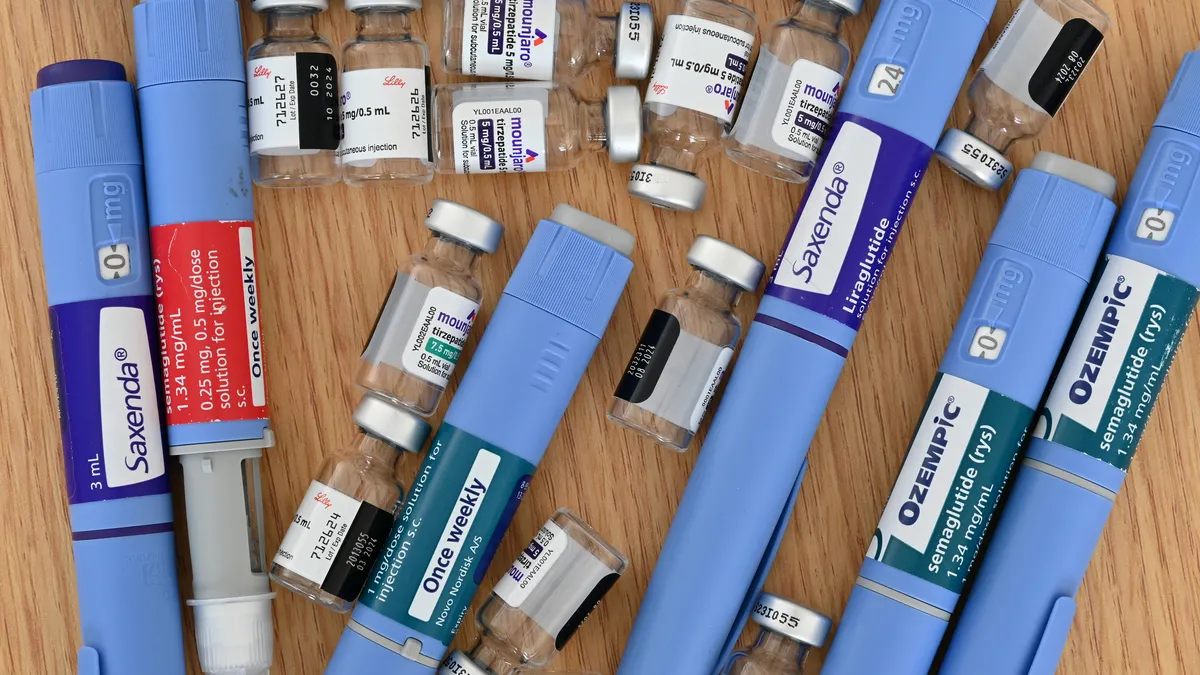
Two-thirds of large employers surveyed this spring cover GLP-1 medications for weight management, but many are weighing whether to keep doing so, according to survey results released May 6 by Business Group on Health [1]. Nearly eight in 10 employers said GLP-1s are driving up their company's health care costs [1][2].
The survey was completed in February and March 2026 by 105 employer members of the nonprofit group, which represents large companies including most of the Fortune 100 and large public-sector employers [1][3]. Most employers cover GLP-1s for type 2 diabetes, while 67% said they currently cover the drugs for weight management [1].
Coverage could shrink next year
Among employers that cover GLP-1s for weight management today, 72% said they were likely to continue that coverage in 2027, while 10% said they likely would not [1][3]. The group also reported that companies not covering the drugs for weight management now are unlikely to add that coverage later [1].
Employers that do cover the drugs are leaning on rules to control who gets them. Strategies named in the survey include confirming clinical eligibility with objective biometric data, requiring participation in a weight management program, limiting prescribing to specific providers, and leaving certain medications off the formulary [1][2].
Most employers are not softening the financial hit for workers with special benefit designs. Eighty-three percent said they use the same standard cost-sharing arrangement for GLP-1s that they use for other medications, rather than a special design or zero out-of-pocket cost [1][2]. Nearly eight in 10 said their executive leadership teams are involved in GLP-1 coverage decisions [1][2].
Oral versions: more demand, not cheaper
The arrival of pill forms of GLP-1s is not expected to ease budget pressure. Fully 87% of employers said the availability of an oral GLP-1 will lead to higher demand for the drugs overall, and only 9% expect a price decrease [1][2][3]. Fierce Healthcare linked that question to newly available oral options including oral Wegovy (semaglutide) and Foundayo (orforglipron) [3].
Employers also said they have not yet seen the health payoff they were told to expect. More than half of those covering GLP-1s for weight management expect significant clinical benefits, but few have seen evidence in their aggregated claims data, such as lower obesity rates or fewer employees needing bariatric surgery [1][2].
"Our findings show the tremendous concern employers have regarding these medications from a cost and financial viability perspective," said Ellen Kelsay, president and CEO of Business Group on Health [1]. She pointed to "anticipated double-digit health care cost increases, fueled to a large degree by GLP-1s and overall prescription drug costs" [1][3].
The backdrop: GLP-1 list prices reach around $1,000 per month, according to Healthcare Dive [2]. About 1 in 8 US adults say they are currently taking a GLP-1 for weight loss, diabetes or another condition, based on a KFF survey conducted last year [2]. A separate Mercer survey found employers expect health benefit costs to rise 6.7% this year to more than $18,500 per employee on average, up from $17,964 in 2025, and 47% of respondents called GLP-1 costs over the next three years very or significantly concerning [3].
Why it matters for patients
For people with commercial insurance through a large employer, this survey is a read on how stable that coverage is. Coverage for diabetes indications looks broadly intact, but weight-management coverage is the part under review, and a tenth of covering employers signaled they may drop it for 2027 [1][3].
It also explains why getting approved can involve paperwork. Biometric documentation, mandatory lifestyle or weight management programs, restrictions on which doctors can prescribe, and formulary exclusions are all in active use [1][2]. Those rules can determine which specific brand a plan pays for, not just whether GLP-1s are covered at all.
And because 83% of employers apply standard cost-sharing, what a person pays at the pharmacy generally follows the plan's usual drug tiers rather than a special GLP-1 carve-out [1][2].
What happens next
The survey covered employer intentions for the 2027 plan year, decisions that are typically communicated during open enrollment in fall 2026 [1]. Business Group on Health did not publish the share of employers that were undecided about 2027, and the survey does not say which specific companies plan changes. Whether oral GLP-1 pricing shifts employer math is not yet known.
Images from the sources

Sources
- https://www.businessgrouphealth.org/newsroom/news-and-press-releases/press-releases/2026-glp-1-survey
- https://www.healthcaredive.com/news/glp-1s-weight-loss-employer-healthcare-cost-increase-business-group-on-health/819384
- https://www.fiercehealthcare.com/finance/nearly-8-10-employers-say-glp-1-coverage-spiking-benefit-costs-business-group-health
Semaglutides.org is for information only and is not medical advice. Always talk to a licensed healthcare provider about your own care. Some links to telehealth services are affiliate links, labeled where they appear.