Doctors say cheaper branded pills are pulling patients off compounded drugs
Doctors say cheaper cash prices for oral Wegovy and Foundayo, as low as $149 a month, are pulling patients away from compounded GLP-1s, though insurance denials remain common.
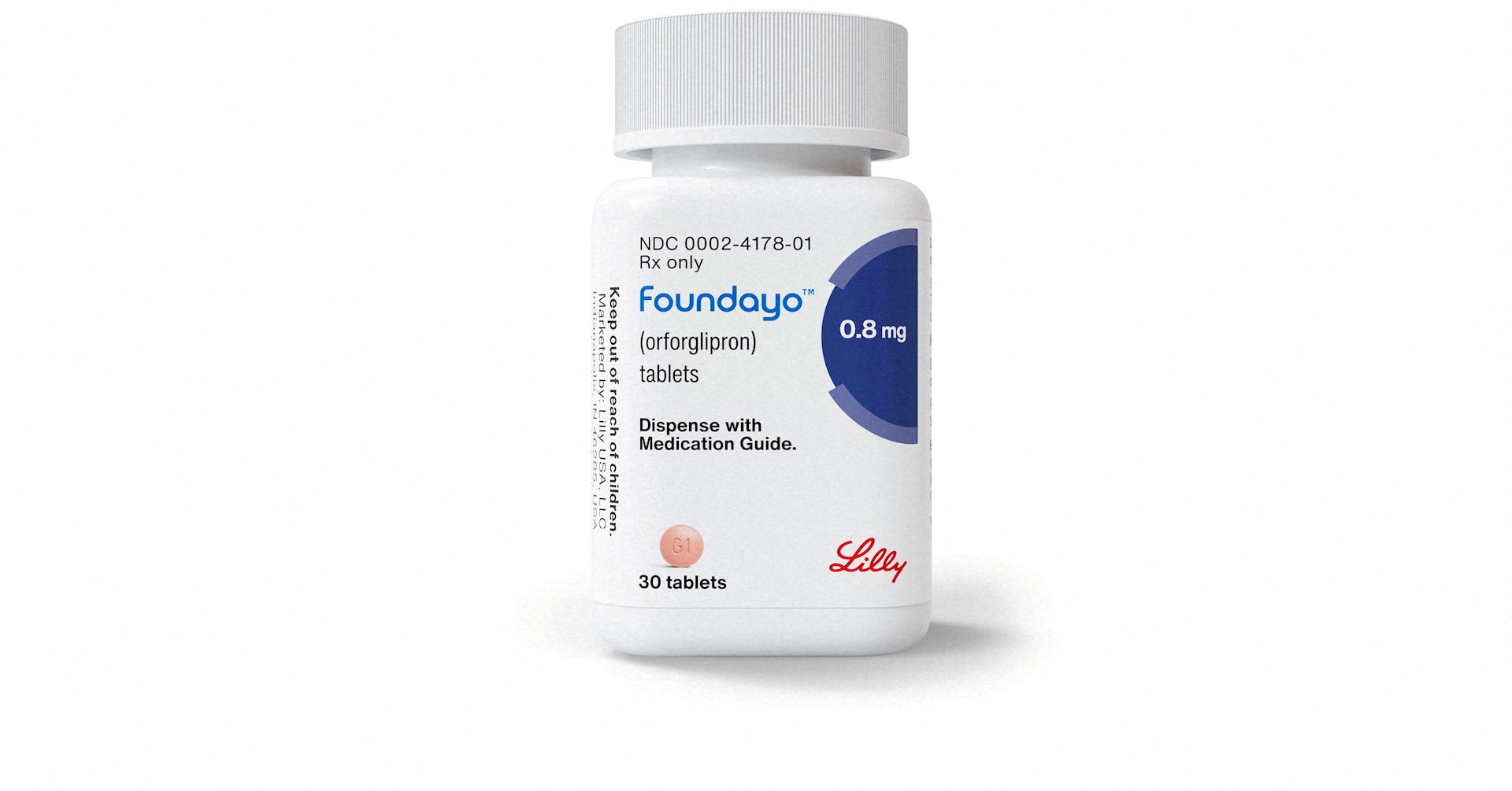
Nine U.S. doctors told Reuters that lower cash prices for two new obesity pills, Novo Nordisk's oral Wegovy and Eli Lilly's Foundayo, are drawing patients away from compounded versions of GLP-1 drugs, five years after the compounding market took off [1]. "I am seeing people are switching from compounds," said Dr. Michael Weintraub of NYU Langone, who said he doesn't prescribe compounded drugs but has patients who arrive already on them asking to switch [1].
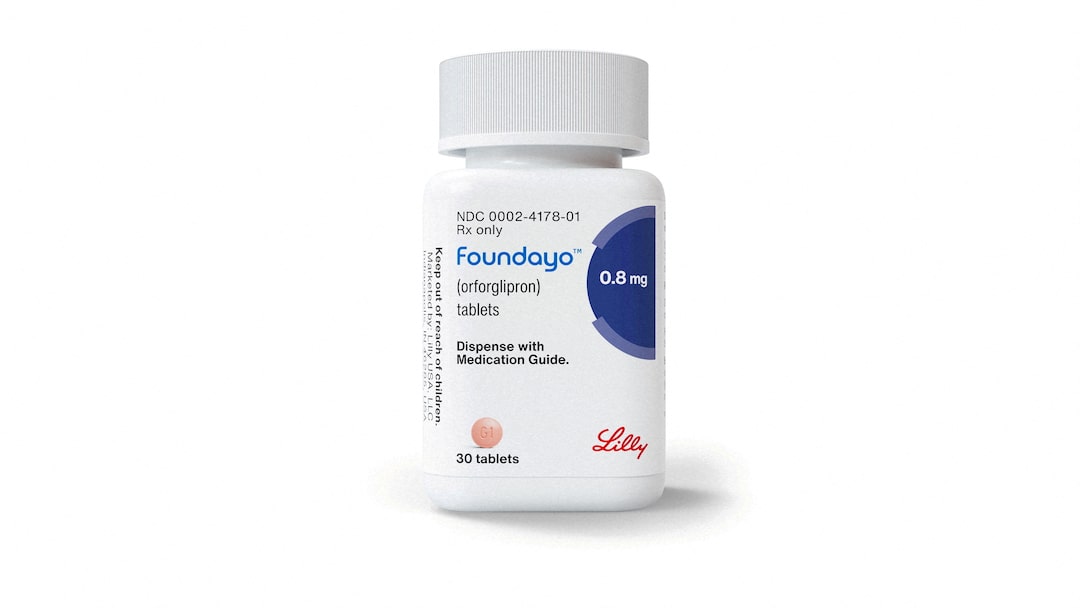
The lowest doses of oral Wegovy and Foundayo both start around $149 a month, a price close to what compounding pharmacies have charged, according to the doctors and company websites [1]. That's lower than injectable options: Wegovy pens start at $199 a month, and Zepbound, Lilly's injectable, can run $299 or more for people paying cash [1][2]. Novo launched its oral Wegovy pill in the U.S. in January, and Lilly rolled out Foundayo in April [1].
Doctors said Wegovy's pill has an edge in early prescribing because it shares the same active ingredient and brand name as the injectable, plus it has established heart-benefit data that Foundayo does not yet have [1][2]. "Something about saying it is new creates a little hesitation in at least a handful of patients I've spoken about it with," said Dr. Jorge Moreno, a Yale Medicine obesity specialist, adding that some patients have chosen the Wegovy pill instead [1]. Foundayo, though, doesn't require fasting before taking it, a convenience some doctors think will help it gain ground over time; a Citi analyst survey of 120 prescribers found academic doctors expect Foundayo to eventually make up about 70% of prescriptions between the two pills [1][2].
In trials, oral Wegovy produced about a 14% reduction in body weight over 64 weeks, while Foundayo produced about an 11% reduction over 72 weeks; injectable GLP-1 drugs led to 15% to 20% weight loss in their own trials [1][2]. Those numbers come from separate studies and are not head-to-head comparisons.
Why it matters for patients
For people currently using compounded semaglutide or tirzepatide, often bought from telehealth companies or specialty pharmacies during the shortage years, the price gap that once pushed them toward compounding has narrowed. Compounded drugs are allowed under FDA rules for personalized formulations, but they are not FDA-approved products and get less regulatory oversight than brand-name pills [1]. Doctors said the price convergence is one reason some patients are asking to move to the approved pills instead.
Insurance remains the bigger obstacle for many patients, cash prices aside. All nine doctors interviewed said coverage denials are common, even for the new pills. "Every day, I get a message from a patient saying 'my insurance company didn't approve or denied it again,'" Moreno said [1]. Part of the problem, he said, is that physicians sometimes don't code prescriptions in a way insurers require, and insurers are less likely to cover preventive treatment than treatment for an existing diagnosis [1]. Lilly said two of the three largest U.S. pharmacy benefit managers have started covering Foundayo, and the company is working to expand that further [1].
The lower prices also appear to be pulling in patients who had never tried a GLP-1 drug because of cost or fear of needles. "This is expanding the market of GLP-1," said Sarah Ro, medical director of the University of North Carolina Health's weight-management program, describing patients who previously declined treatment now wanting to try the pills [1].
What happens next
Doctors interviewed said they are watching for the start of a federal Medicare pilot program covering GLP-1 drugs, expected to begin in July 2026 and run through 2027, which they hope will push commercial insurers to expand coverage as well [1]. Most doctors said only a small share of patients already on injectable drugs are switching to pills for now; as one Atlanta obesity specialist, Dr. Christina Nguyen, put it, "the injectables are working well and people don't want to mess anything up" [1].
Images from the sources
Sources
Semaglutides.org is for information only and is not medical advice. Always talk to a licensed healthcare provider about your own care. Some links to telehealth services are affiliate links, labeled where they appear.