FDA accepts the first generic tirzepatide application, from Sandoz
The FDA agreed on June 29, 2026 to review Sandoz's generic tirzepatide applications, but Lilly's patents run to about 2036, so a cheaper copy of Mounjaro or Zepbound is not close.
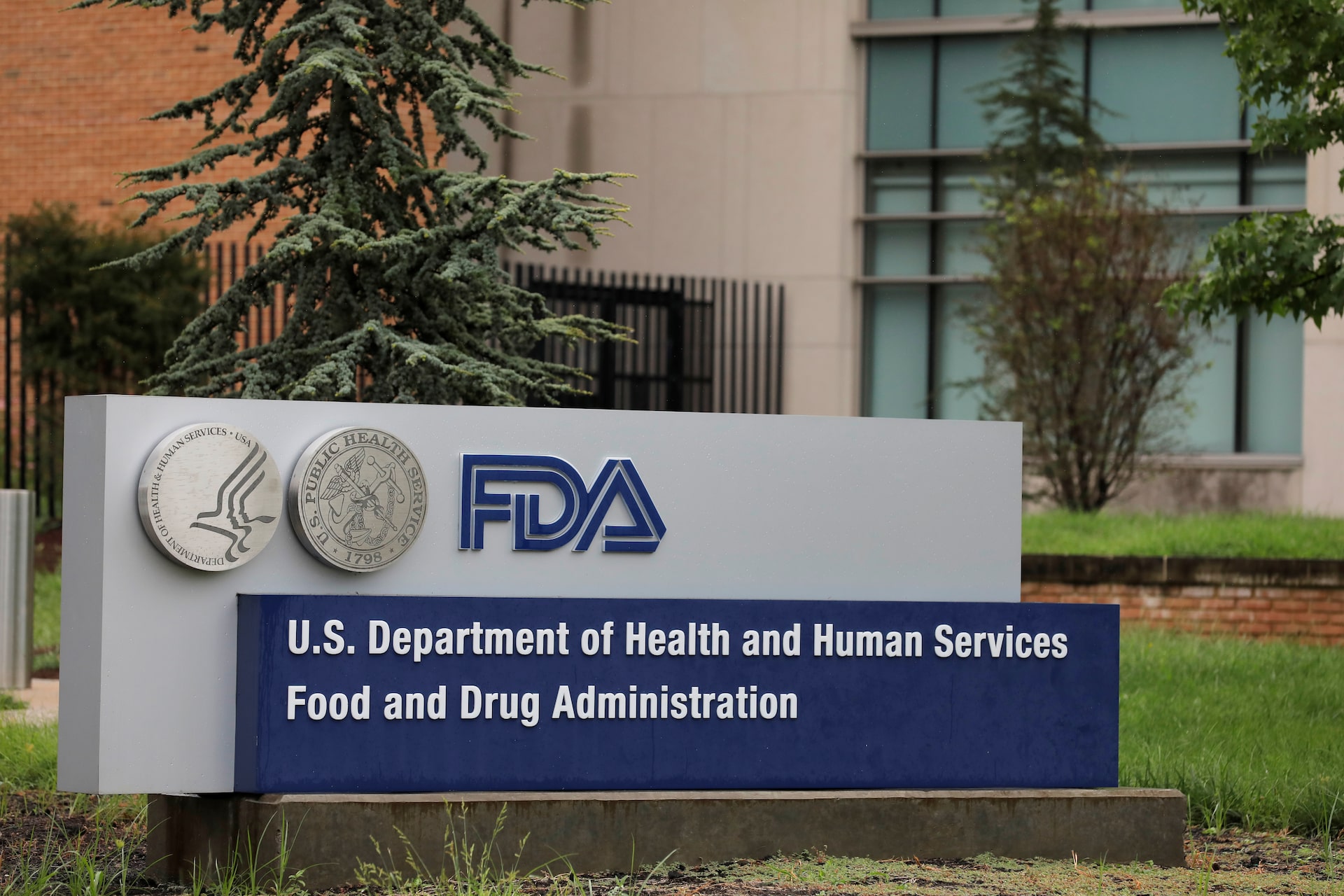
The U.S. Food and Drug Administration has accepted two abbreviated new drug applications (ANDAs) from Swiss generics maker Sandoz for generic tirzepatide, the active ingredient in Eli Lilly's Mounjaro and Zepbound [3]. Sandoz announced the acceptance on Monday, June 29, 2026, making it the first company to have generic tirzepatide applications formally taken up for review [2][4].
The two applications cover the same conditions the brands already treat: type 2 diabetes, matching Mounjaro, and weight management, matching Zepbound [3]. Sandoz says it developed the products in-house, combining its small-molecule, device and biosimilar experience, and that "Sandoz tirzepatide could be one of the first generic tirzepatide products available for patients in the U.S. on market formation" [3][4].
Nine days later, on July 8, 2026, Amneal Pharmaceuticals and partner Adalvo said the FDA had accepted two of their own ANDAs for a generic tirzepatide autoinjector, making four accepted applications from two companies in under two weeks [1].
Acceptance is not approval
An ANDA acceptance is a procedural step. It means the FDA checked the paperwork, found it complete enough to review, and put it in the queue [1]. It does not mean the agency has concluded the generic is bioequivalent, that the manufacturing passes muster, or that anything can be sold [1].
The FDA's website says it expects to decide whether standard drugs are safe no more than 10 months after applications are received, though Reuters notes it is unclear how long this particular review will take [3]. Tirzepatide is harder than a tablet: it is a 39-amino-acid peptide packaged in a proprietary autoinjector, so reviewers have to assess the peptide's identity and purity, the device's dose accuracy, and the labeling [2]. One source estimates approval for a complex product like this typically takes 12 to 24 months after acceptance [2].
One procedural detail works in the generics' favor. Under FDA guidance, synthetic peptides with fewer than 40 amino acids can go through the standard generic (505(j)) pathway rather than the longer biosimilar route, which is why Sandoz's filing is a generic and not a biosimilar [2].
The patent wall
Even a clean approval does not allow a launch. Lilly's tirzepatide patent runs out in 2036 in the U.S. [3][4]. On top of the core compound patent, Lilly holds method-of-use patents covering diabetes, obesity and obstructive sleep apnea, plus formulation and device patents on the KwikPen and pre-filled pen assembly, some of which run into the 2040s [2]. Patent trackers cited by one outlet put device and formulation exclusivity into 2039 or later [1].
A generic maker can try to get around that by winning a Paragraph IV patent challenge in court or by negotiating a licensed early entry with Lilly, the route several insulin generics took [1][2]. If Lilly sues for infringement, that automatically triggers a 30-month stay on FDA approval [2].
The sources disagree on when patients might actually see a generic. One projects real availability around 2036 to 2038 [1]. Another sees a possible first launch window of 2028 to 2030 if Sandoz wins an early patent challenge or reaches a settlement [2]. Sandoz has not publicly disclosed which patents it is challenging, whether litigation has begun, or a target launch date [2].
Why it matters for patients
Nothing about this changes prices at the pharmacy counter this year [1][2]. If generic competition is what you are waiting on, the timeline is measured in years, not months, and the gating factor is patent law rather than the FDA's review queue [1][2].
In the meantime, the price routes described in the sources are the same ones that already existed: Lilly's LillyDirect self-pay pricing, reported at $299 for the 2.5 mg Zepbound vial and $449 for higher doses versus a roughly $1,000 to $1,300 list price, and the Medicare GLP-1 Bridge, which covers Zepbound KwikPen at a $50 monthly copay through December 31, 2027 [1][2]. A generic is also a different thing from compounded tirzepatide: a generic must prove bioequivalence and is regulated under the same umbrella as the brand, while compounded versions never had to [1][2].
What happens next
A first FDA decision on the Sandoz applications is expected sometime in 2027 or 2028, depending on how long review runs [1][2]. Patent litigation dockets and the FDA Orange Book would show any Paragraph IV fight, and Sandoz's Q3 2026 earnings call in October is a likely place for timeline questions [2]. None of that has happened yet [1].
Sources
- https://www.compoundprotocol.com/generic-tirzepatide-fda-timeline
- https://peptidenewsdigest.org/insights/generic-tirzepatide-timeline/
- https://www.reuters.com/business/healthcare-pharmaceuticals/fda-set-review-sandozs-generic-glp-1s-2026-06-29
- https://insights.citeline.com/generics-bulletin/products/generics/glp-1s/sandoz-starts-generic-tirzepatide-race-with-fda-filing-acceptance-QMNQTWWFTBH7RIC2LOQYZHLXIM
- https://www.accessdata.fda.gov/scripts/cder/daf/index.cfm?event=overview.process&ApplNo=217806
Semaglutides.org is for information only and is not medical advice. Always talk to a licensed healthcare provider about your own care. Some links to telehealth services are affiliate links, labeled where they appear.