Novo says 80% of Wegovy pill users are new to GLP-1s
Novo Nordisk says more than 80% of Wegovy pill prescriptions are going to people who never took a GLP-1, and the oral drug hit 3 million US scripts in about five months.
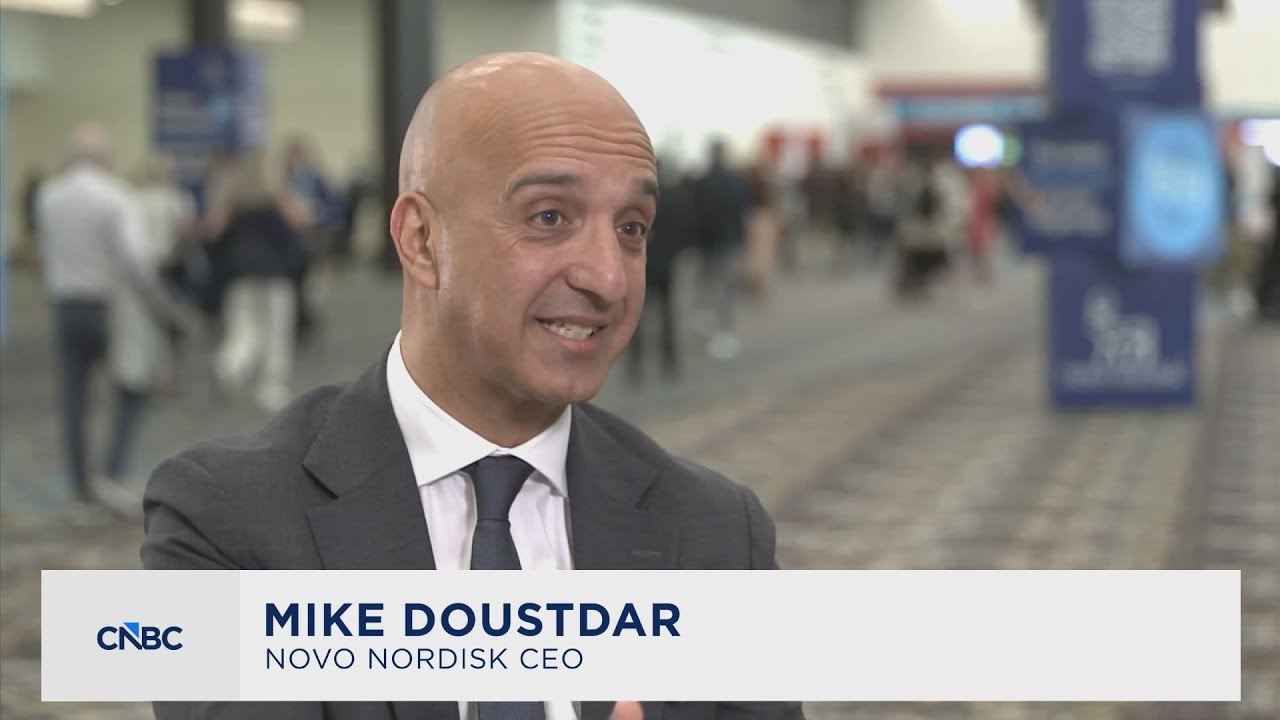
Novo Nordisk said its oral Wegovy (semaglutide) pill has passed 3 million US prescriptions since launching January 5, and that more than 80% of those prescriptions are going to patients who have never taken a GLP-1 medication before [2]. CEO Mike Doustdar repeated the figure in a CNBC interview at the American Diabetes Association's 2026 Scientific Sessions in New Orleans, saying many of those people "have been waiting and waiting" because they did not want to take an injection [1].
The numbers behind the launch
The pill reached 1 million US prescriptions in 12 weeks, then added 2 million more over the next 10 weeks, putting it at roughly 3 million by week 22 [1][2]. Novo framed that as one prescription filled "roughly every five seconds" and called it "one of the strongest US pharmaceutical launches by volume on record" [2]. Doustdar went further, saying he did not expect it to become "the best product launch in the history of products" [1].
The timing matters for competition. Oral Wegovy launched several months ahead of Eli Lilly's oral GLP-1, Foundayo (orforglipron), which arrived in early April [2]. Doustdar said prescriptions accelerated even after his competitor entered the market [1].
He argued the Wegovy pill has two advantages: efficacy and fewer drug interactions. Because oral semaglutide is a peptide that is not metabolized in the liver, he said, there are "very little drug-to-drug restrictions," including with birth control pills and statins — a point he tied to the fact that 65% to 70% of the pill's customers are women [1]. He cited 16.6% weight loss for the daily Wegovy pill versus 12.4% for Foundayo, a difference he described as more than a 34% delta [1]. Those are the CEO's own comparisons from separate trials, not results from a head-to-head study, and the sources do not describe the trial designs behind them.
Independent tracking is also imperfect. Analysts at Jefferies and Citi have cautioned that IQVIA prescription data may seriously underreport telehealth referrals, which could skew the comparison between the two oral launches [2].
Why it matters for patients
The "80% GLP-1 naive" figure is the part with the most practical meaning. If it holds, it suggests the pill is pulling in people who were never willing or able to start an injection, rather than simply moving existing users from a pen to a tablet [2]. That supports Novo's argument that the overall obesity treatment market is still small relative to demand — a Novo executive said roughly 120 million people in the US would qualify for an anti-obesity medication, and "such a small few" get one [2].
Cost and access remain the bigger gate. The starting 1.5 mg dose of the pill is priced at $149 per month for cash-paying patients, while commercially insured patients using savings plans may pay as low as $25 a month [2]. Novo has also cut self-pay and Medicare prices for Wegovy and Ozempic under a "most favored nation" deal with the White House and lists products on the government's TrumpRx portal [2]. The sources do not spell out what higher doses of the pill cost, or how broadly insurers now cover it.
Novo is also leaning on digital channels — its own Novocare pharmacy plus telehealth companies including LifeMD, Ro and Hims & Hers — citing a "mismatch" between patients seeking treatment and doctors available to treat them [2]. For patients, that means the pill is often reached through online providers rather than a traditional office visit.
What happens next
Novo raised its 2026 outlook after the pill brought in $355 million in its first quarter on the market, now expecting a 4% to 12% sales decline instead of the 5% to 13% it forecast in February [2]. The company also reported "strong uptake" of the newly launched 7.2 mg high-dose injectable Wegovy [2].
Next up is CagriSema, which Novo presented data on at the same ADA meeting. Doustdar cited 23% weight loss and said the device will be a dual-chamber pen that mixes semaglutide and the amylin drug at the moment of injection — "one click and it's seamless" [1]. A US launch date is not given in these sources. Novo has also rebranded Rybelsus as "the Ozempic pill," which Doustdar said is "too early to tell" on [1].
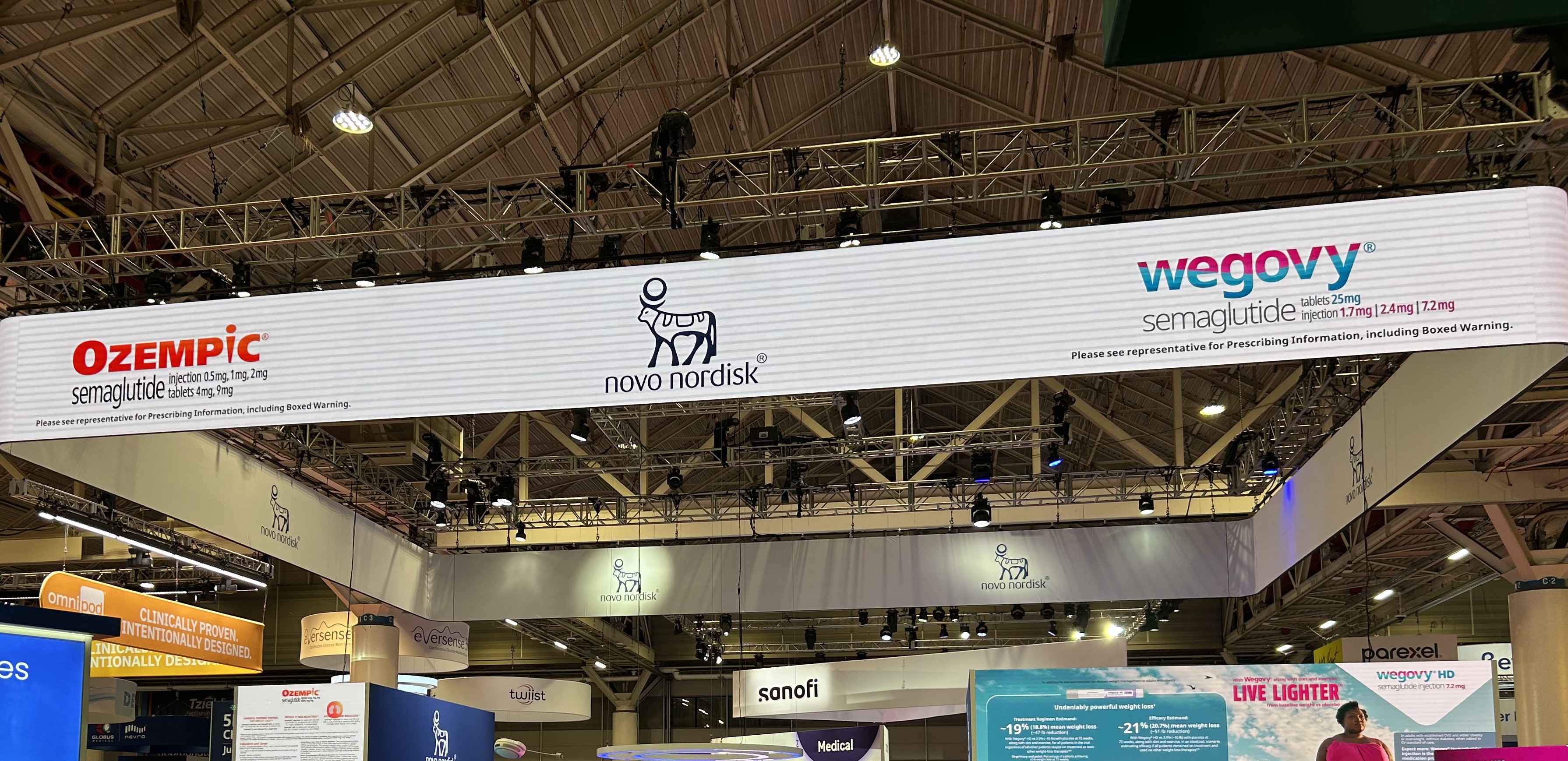
Images from the sources
Sources
Semaglutides.org is for information only and is not medical advice. Always talk to a licensed healthcare provider about your own care. Some links to telehealth services are affiliate links, labeled where they appear.