Aon projects US employer healthcare costs will rise 9.5 percent in 2027, citing GLP-1 and specialty drug use
Aon says employer health costs will jump 9.5% in 2027, pushing average spending past $19,000 per worker, with GLP-1 and specialty drugs among the drivers.
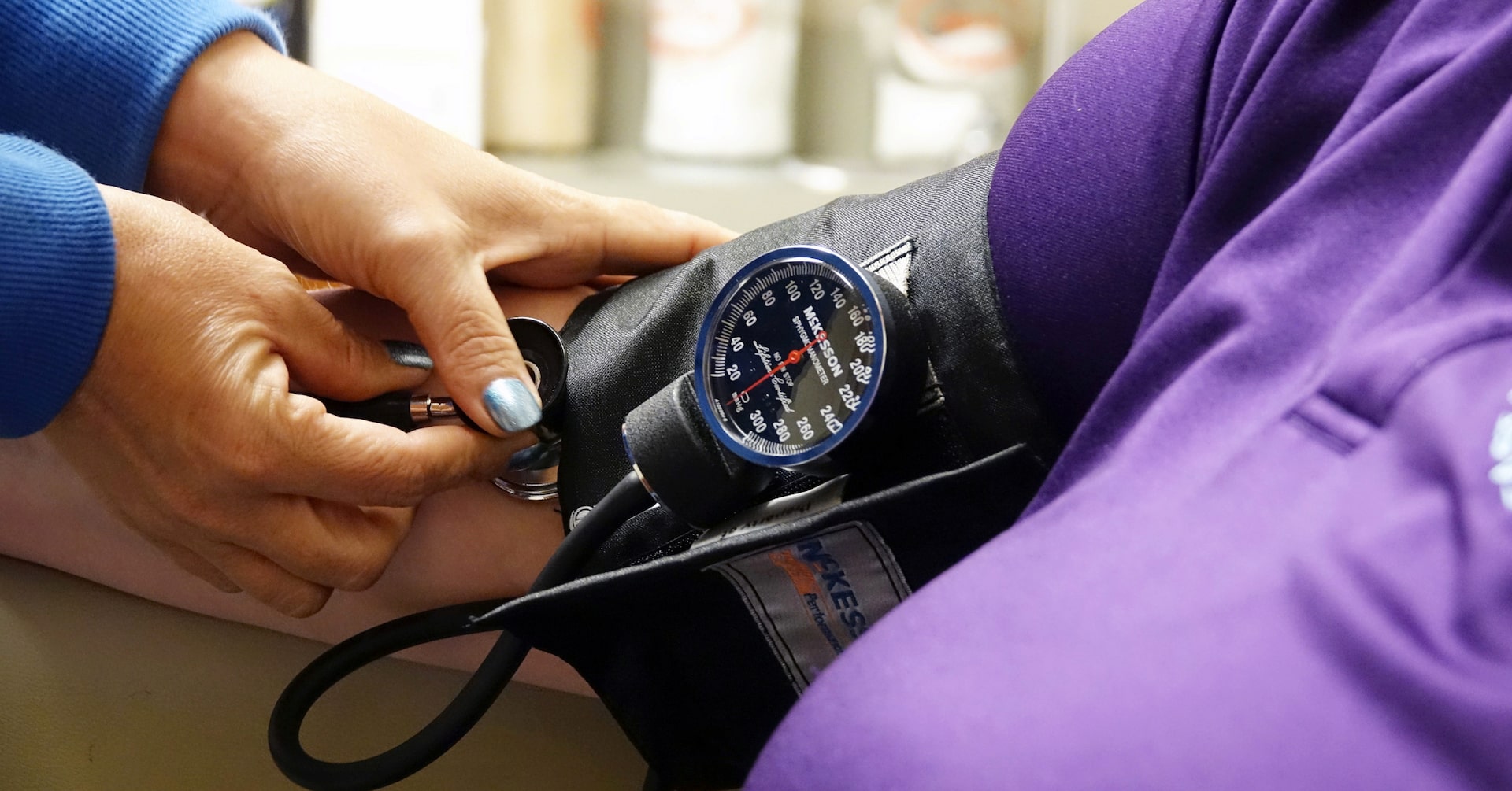
Insurance broker Aon said on August 20 that US employer healthcare costs are expected to rise 9.5% in 2027, pushing the average cost above $19,000 per employee. The firm pointed to more use of medical services, more high-cost claims and spending on high-priced drugs — including GLP-1 treatments for diabetes, obesity and other conditions — as reasons for the increase [1].
The projection comes from data on more than 1,100 US employers covering 7.9 million employees and $135 billion in 2026 healthcare spending [1]. If it holds, 2027 would be the fourth straight year of near double-digit cost growth for employers [1].
The numbers behind the forecast
For 2026, Aon expects employers' average cost to rise 8.8% to $14,432 per employee, while total health plan costs climb 8.3% to $17,562 [1]. Employers are expected to pick up about 82% of plan costs in 2026 [1].
Workers carry the rest. Aon projects employees will spend an average of $5,297 in 2026 — $3,130 in payroll contributions plus $2,167 in out-of-pocket costs — a combined increase of 7.9% from the prior year [1].
Alongside drug spending, Aon flagged another pressure point: "Additional cost pressure is emerging as providers adopt technologies, including AI, that support more detailed clinical documentation and coding, contributing to higher billed charges in some instances," the firm said [1].
One important caveat: the 9.5% figure assumes employers make no benefit changes and add no care-management programs to hold down spending [1]. Aon itself said that is unlikely. "Aon consultants expect many employers to implement cost-saving changes or programs to help mitigate this increase," the firm said [1].
Employers are already trimming
Those cost-saving changes are already showing up. In late August, five large employers announced or confirmed benefit reductions heading into the 2027 plan year [2].
Starbucks confirmed it will end employer-sponsored coverage for GLP-1 medications when they are prescribed for weight loss, effective in October. Coverage continues when the same drugs are prescribed for diabetes and other approved conditions. The change affects benefits-eligible employees, which at Starbucks includes workers logging at least 20 hours a week [2].
Starbucks is not alone. A 2026 Mercer survey found 6% of large employers dropped GLP-1 weight-loss coverage in 2026, with another 5% planning to do so in 2027 [2]. The International Foundation of Employee Benefit Plans reported that GLP-1 drugs made up 11.4% of corporate employers' total annual health claims in 2024, up from 6.9% in 2023 [2].
Other cuts were not drug-related. Walt Disney Company will stop covering working spouses who have access to employer coverage elsewhere starting in 2027, a change affecting its more than 200,000 US employees [2]. Bloomberg LP told staff they will begin paying monthly premium contributions for the first time in company history, though no amounts or effective date were specified [2]. Deloitte and Zoom cut parental leave and family benefits [2].
Why it matters for patients
If you take semaglutide (Ozempic, Wegovy, Rybelsus) or tirzepatide (Mounjaro, Zepbound) through a job-based plan, the coverage you have in 2026 is not guaranteed to carry into 2027. The clearest pattern in these announcements is a split between indications: some employers are keeping coverage for diabetes while dropping it for weight loss [2].
The forecast also matters even if your plan keeps GLP-1 coverage. Aon's numbers suggest employee payroll contributions and out-of-pocket costs are rising too — a projected 7.9% increase for 2026 alone [1]. Higher deductibles, higher copays or new prior authorization rules are all ways plans can respond without dropping a drug class outright.
Aon's report does not break out how much of the 9.5% increase comes specifically from GLP-1s versus other specialty drugs, medical utilization or coding changes. That split is not yet known from these sources [1].
What happens next
For employers with calendar-year plans, the 2027 open enrollment conversation is already underway [2]. Starbucks' weight-loss GLP-1 exclusion takes effect in October [2]. Disney's spousal coverage change and Deloitte's benefit cuts for its "Center" talent segment both take effect in 2027, with Deloitte's dated January 1, 2027 [2].
Plan documents typically spell out these changes. A formulary exclusion for a drug class requires advance notice to affected employees, and spousal eligibility changes require updates to the plan's summary plan description and open enrollment materials before they take effect [2].
Images from the sources
Sources
Semaglutides.org is for information only and is not medical advice. Always talk to a licensed healthcare provider about your own care. Some links to telehealth services are affiliate links, labeled where they appear.