Reuters documents a booming Brazilian black market in Wegovy and Mounjaro
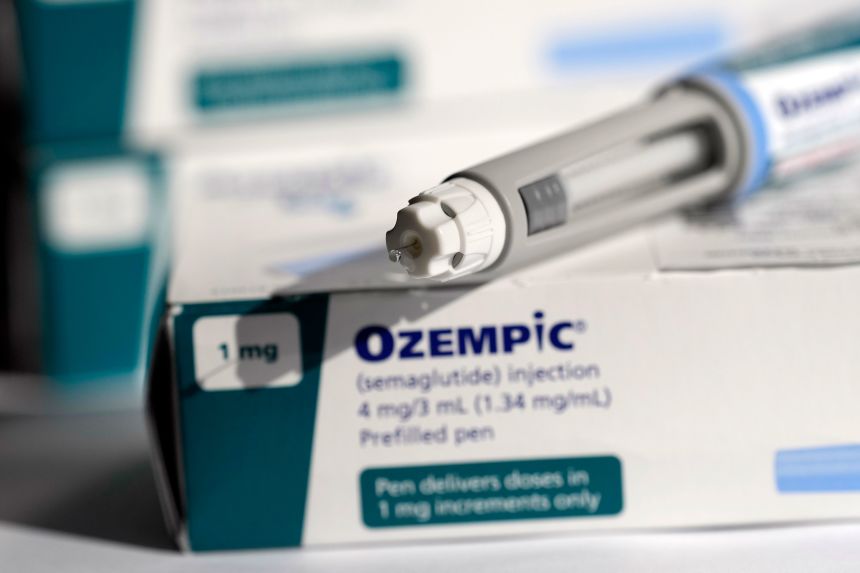
Brazil's black market for smuggled Wegovy and Mounjaro is booming, with seizures up nearly 100-fold in a year, as regulators bet cheaper approved copies can pull buyers back into safe channels.
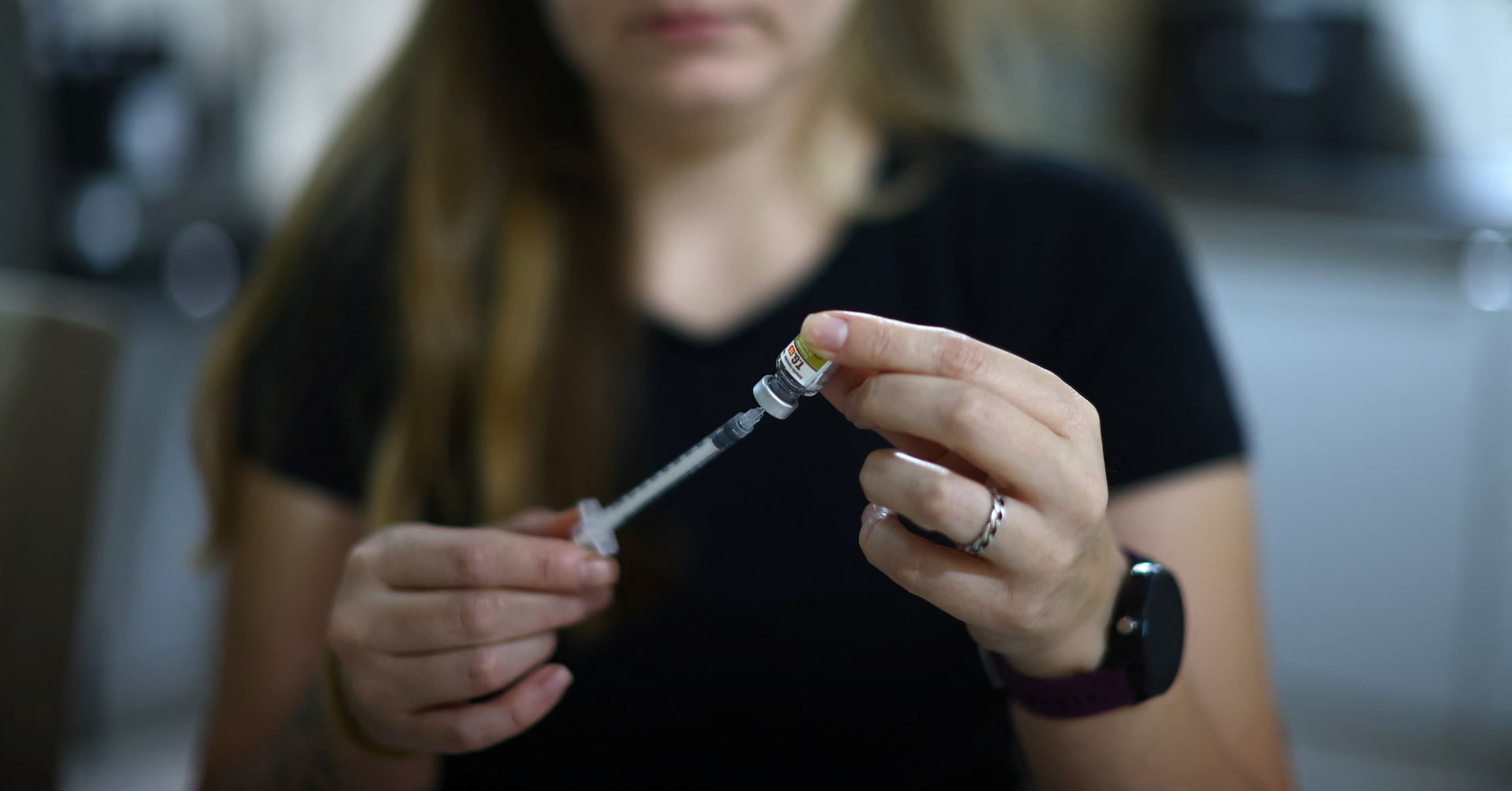
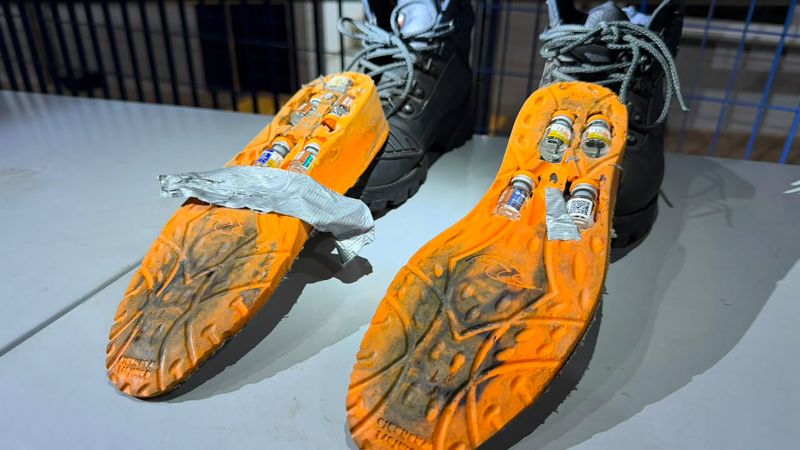
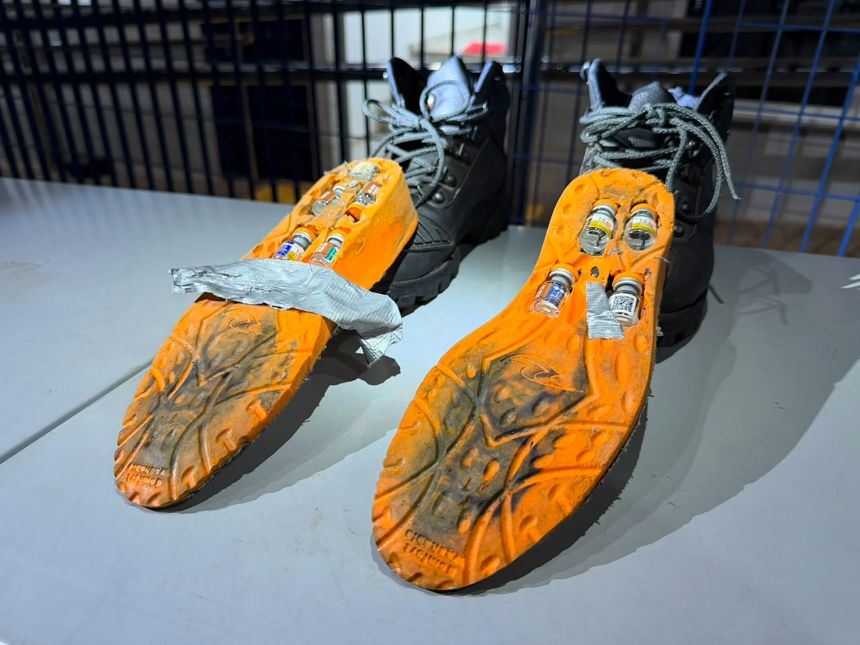
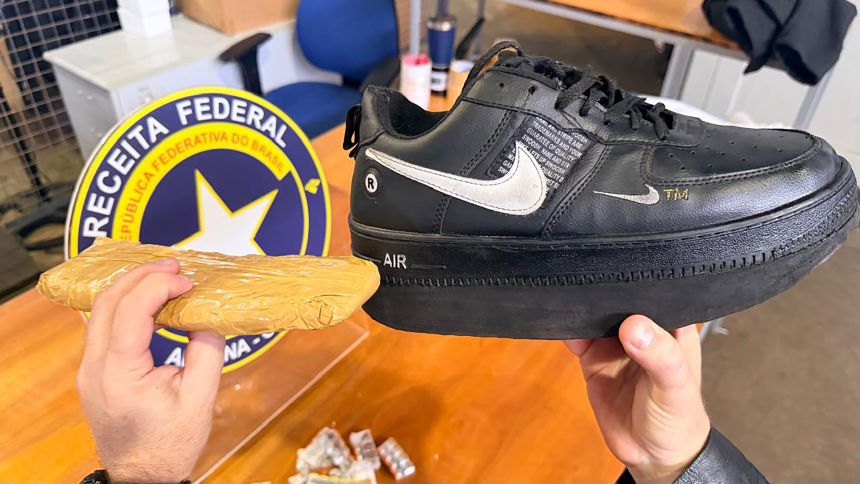
Brazilian customs agents are finding weight-loss injections hidden in motorcycle exhaust pipes, false shoe soles, and jars of dulce de leche, as the country becomes one of the world's hottest markets for GLP-1 drugs sold outside legal channels [1]. Seizures of illegal GLP-1 products jumped from 609 units in 2024 to 60,787 in 2025, according to Brazil's Anti-Counterfeiting Association, and have kept climbing this year [1]. Separately, Brazil's Federal Revenue Service says more than 76,000 pens, vials and other products were seized at the Paraguay border in just the first half of 2026, nearly three times all of last year's total [2].
The price gap driving this trade is stark. In Brazil, a four-week supply of the lowest-dose Mounjaro (tirzepatide) costs about $290, while a high-dose 2.4 mg box of Wegovy (semaglutide) sells for close to $340 online through a patient support program [1]. Across the border in Paraguay, an ampoule of locally made tirzepatide sells for roughly $68, according to Brazil's Federal Revenue Service [2]. One Rio de Janeiro pet groomer earning Brazil's minimum wage of $300 a month told Reuters she pays about $75 every six weeks for a Paraguayan product called T.G. that Brazilian regulators have not vetted [1].
Investment bank Itau BBA estimates that 51% of Brazil's roughly $7 billion weight-loss drug market this year will come from untracked sources, including compounded pharmacies and smuggled Paraguayan products [1]. Online orders for GLP-1 medications in Brazil rose 149.3% in the first half of 2026 compared with the prior six months, climbing to more than 1.36 million orders worth about $460 million, according to data firm Serasa Experian [2].
Brazilian officials are investigating 83 deaths and more than 3,600 complications linked to weight-loss drugs recorded since 2018, with more than 60% of complications reported in 2025 and 2026 [1]. Reuters could not independently confirm what role unauthorized versions played in these cases [1]. In one case reviewed by a medical examiner in João Pessoa, a 31-year-old woman using an unsupervised weight-loss drug died of asphyxiation after severe hypoglycemia caused her to lose consciousness and choke [1]. A Florianópolis endocrinologist described a patient who developed lactic acidosis after using a product sold as tirzepatide from Paraguay, and another who ended up in emergency care after switching to a smuggled product and increasing the dose without medical guidance [2].
Why it matters for patients
The core danger described by doctors and officials in both reports is that smuggled and unverified products bypass the controlled storage and manufacturing conditions that legitimate drugs go through [2]. Peptide drugs like semaglutide and tirzepatide can lose stability when exposed to temperatures above 86°F or below 32°F, which one endocrinologist said typically just reduces effectiveness — but products of unknown origin carry the added risk of impurities from uncontrolled manufacturing [2]. Anvisa has also flagged risks specific to the drug class itself, including acute pancreatitis affecting an estimated 0.1% to 1% of patients, and aspiration or pneumonia risk during anesthesia because the drugs slow digestion [1]. None of this is unique to the smuggled products, but doctors say the absence of medical supervision makes it harder to catch problems early. One patient described in the CNN report continued raising her own dose despite persistent nausea, vomiting and diarrhea, ultimately requiring emergency care [2].
What happens next
Brazil's health regulator Anvisa approved Ozivy, the country's first domestic semaglutide alternative, in May 2026, and has since cleared additional injectable diabetes and weight-loss drugs, with officials betting that cheaper regulated supply, priced near $100 for a four-week Ozempic-equivalent, will draw buyers away from smuggled products [1]. Anvisa also signed an agreement with Paraguay's health regulator, Dinavisa, in late August to strengthen cross-border oversight [2]. It is not yet known whether these steps will reduce smuggling volumes, which have continued rising through 2026 [1].
Images from the sources
Sources
Semaglutides.org is for information only and is not medical advice. Always talk to a licensed healthcare provider about your own care. Some links to telehealth services are affiliate links, labeled where they appear.