KFF Health News documents the Medicare Bridge's biggest catch: sicker patients are routed out of the $50 price
A KFF Health News investigation found Medicare's $50-a-month GLP-1 Bridge program excludes an estimated 5.9 million people whose diagnoses, like type 2 diabetes or sleep apnea, send them back to Part D copays of $200 to $600.

Medicare's new $50-a-month GLP-1 discount program has a rule that is catching people off guard: it applies only to those taking the drugs solely for weight loss. An investigation published Aug. 25, 2026, by KFF Health News found that an estimated 5.9 million Medicare enrollees are shut out of the $50 price because they carry a diagnosis the Food and Drug Administration has already approved GLP-1s to treat, such as type 2 diabetes or moderate to severe obstructive sleep apnea [1][2].
Those beneficiaries are not left without coverage. They are routed back to their Medicare Part D prescription drug plan, where copays for a GLP-1 can run into the hundreds of dollars a month [1][2].
How the Bridge works
The Medicare GLP-1 Bridge is an 18-month pilot that launched in July 2026. Federal law has long barred Medicare from covering drugs prescribed only for weight loss, and the demonstration is meant to test whether paying for them now saves Medicare money later [1][2]. It covers three products: Wegovy (semaglutide), the KwikPen formulation of Zepbound (tirzepatide), and the oral drug Foundayo (orforglipron) [1][2].
To qualify, a person must be enrolled in Part D. Many beneficiaries with a body mass index of 35 or higher qualify if a drug is prescribed. Those with a BMI of 27 to 34 can qualify if they also have certain conditions, such as prediabetes or cardiovascular disease [1][2]. Unusually, the prior authorization request does not go to the Part D insurer. It goes to a separate system run by a contractor for the Centers for Medicare & Medicaid Services [1][2].
CMS spokesperson Timothy Foster said the demonstration's initial weeks have been positive and that most prior authorization requests have been completed in under 12 hours, allowing "thousands of eligible beneficiaries to access GLP-1 medications for weight loss at pharmacies nationwide" [1][2].
The numbers
Juliette Cubanski, who directs the Program on Medicare Policy at KFF, estimated that 3.8 million people qualify for the Bridge. If a quarter of them enroll and stay on treatment for the full 18 months, she estimated the cost to Medicare at about $3.3 billion. If three-quarters enroll, costs could rise to about $10 billion [1][2]. The federal government has not released its own cost estimate [1][2].
Expanding the program to cover the additional 5.9 million people who are overweight and already eligible for GLP-1 coverage through Part D would add billions more, according to the reporting [1][2].
"The Bridge program was designed to target those people who can't get GLP-1 coverage through Part D but would benefit from taking one for weight loss," Cubanski said [1][2].
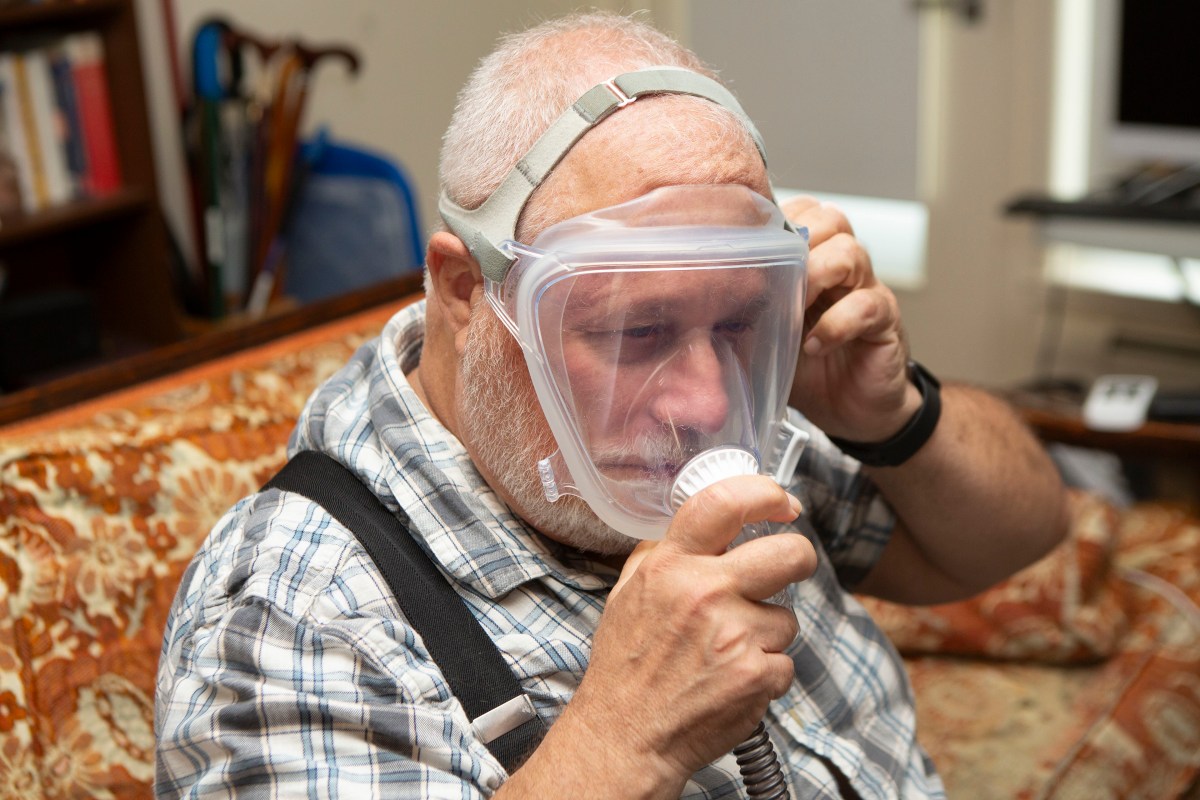
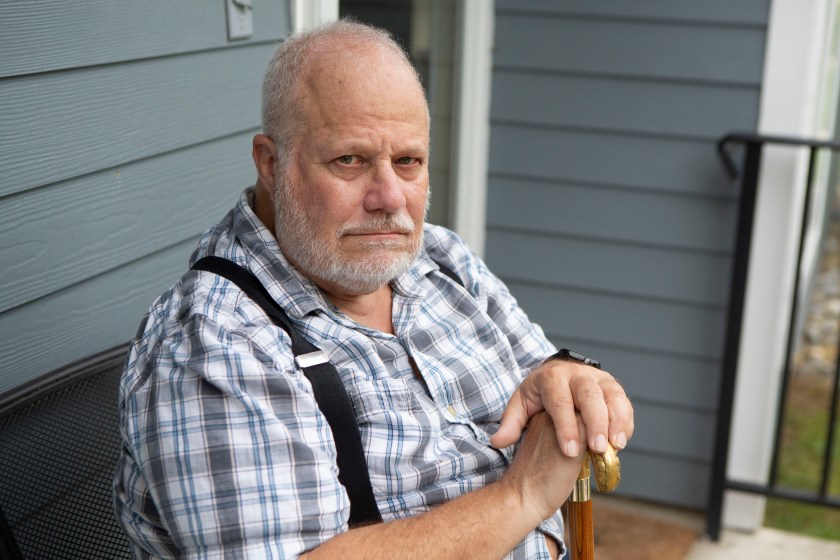
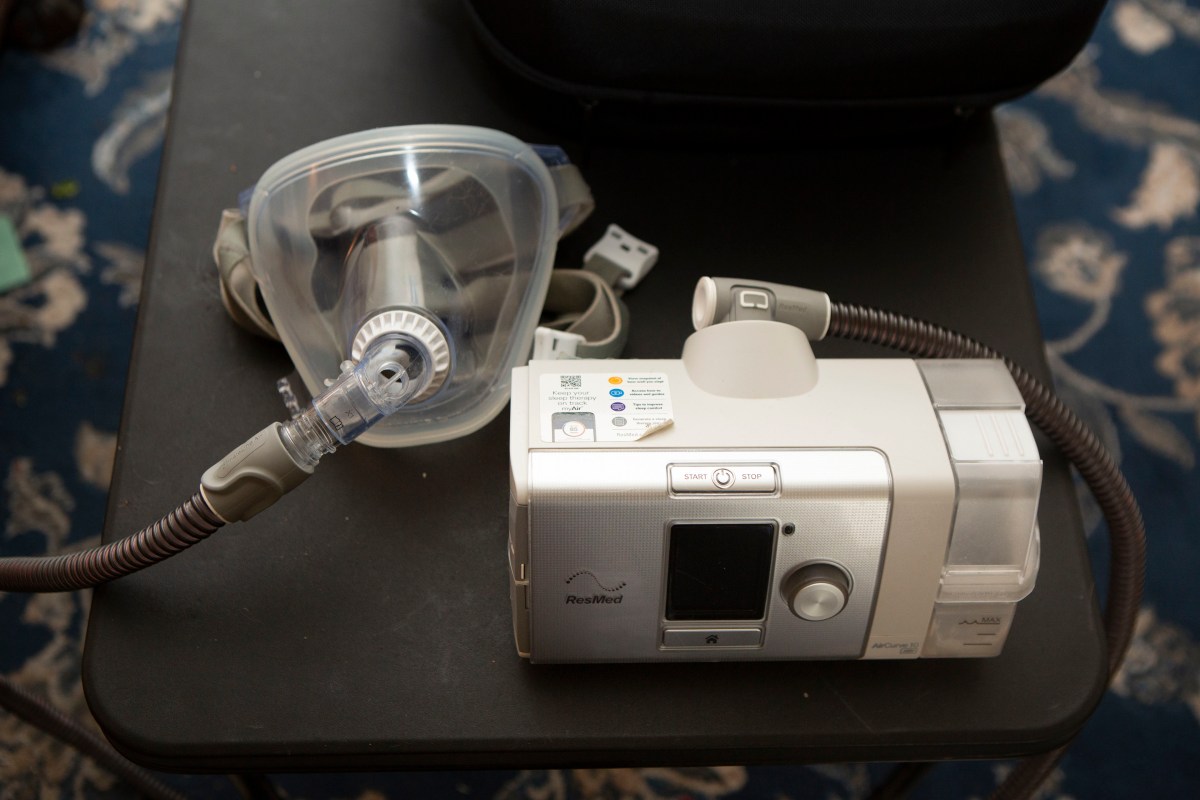
KFF Health News profiled Jeff La Marca, 68, of Basking Ridge, New Jersey, who got a Zepbound prescription in January but could not afford the $750 monthly price. His Bridge application was denied; he has severe obstructive sleep apnea, one of the excluding diagnoses. The denial notice did not say why [1][2]. "I'm obese, morbidly obese, BMI 42. I had quadruple heart bypass surgery. I'm at risk for stroke. I'm prediabetic. And yet I can't get it. I'm livid," he said [1][2].
Why it matters for patients
The practical consequence is that a diagnosis that establishes medical need can also be the reason a person pays far more. Primary care physician Taylor Lacy, of Sunflower Medical Group in Roeland Park, Kansas, put it this way: "'Coverage' doesn't always mean 'affordable'" [1][2]. She said many Medicare patients must navigate prior authorization and step therapy — months of trying alternate, often cheaper treatments — only to reach the pharmacy counter and find copays of $200 to $600 a month, if not more [1][2].
Researchers studying Medicare GLP-1 coverage have found that out-of-pocket costs have risen and that almost all plans now require prior authorization [1][2]. AHIP spokesperson Chris Bond pointed to drugmakers' prices, "which they alone set and they alone can lower" [1][2].
Context for scale: about 1 in 5 American adults have taken a GLP-1, and most, including insured people, say the drugs are difficult to afford [1][2].
What happens next
The Bridge is scheduled to run 18 months from its July 2026 launch. The sources do not say whether CMS plans to change the exclusion rule, whether denial notices will begin explaining the reason, or how many people have enrolled so far — those details are not yet known [1][2]. La Marca's prescription remains unfilled while he appeals [1][2].
Images from the sources

Sources
Semaglutides.org is for information only and is not medical advice. Always talk to a licensed healthcare provider about your own care. Some links to telehealth services are affiliate links, labeled where they appear.