Lilly says it has referred more than 200 entities to regulators and law enforcement
Eli Lilly says it has referred more than 200 sellers of unapproved retatrutide to regulators and police, on top of six lawsuits, signaling a law-enforcement push against the gray market for the not-yet-approved obesity drug.
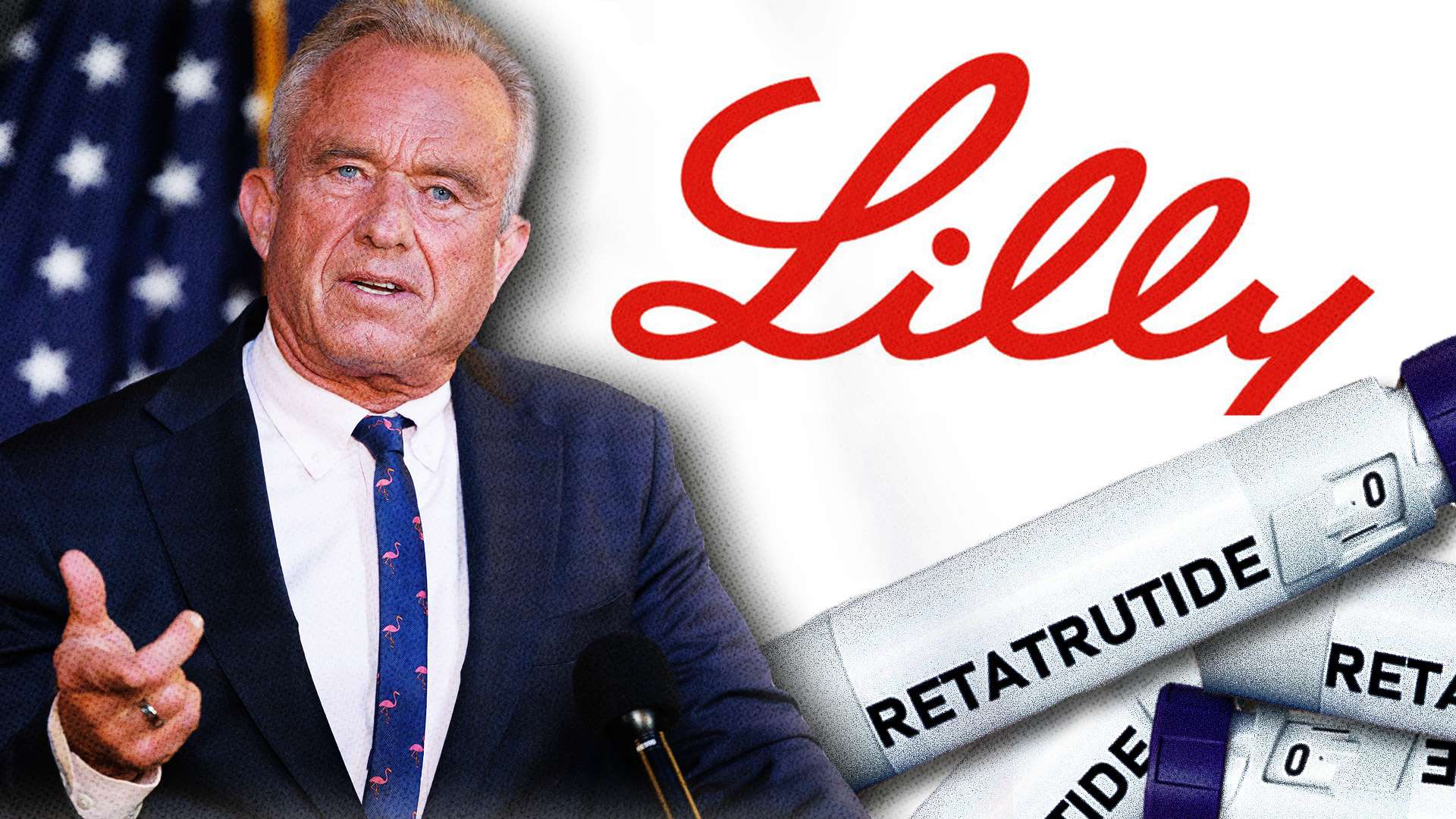
Eli Lilly said on August 12 that it has referred more than 200 individuals and entities to the FDA, the Department of Justice, state attorneys general, law enforcement, and professional licensing boards over the sale of unapproved retatrutide [2]. The referrals accompanied six lawsuits Lilly filed the same day against compounding pharmacies, medical spas, and online sellers accused of illegally selling versions of the experimental drug [2]. Retatrutide has not been approved for human use by any regulatory agency in the world, and it remains in Phase 3 trials for obesity and Type 2 diabetes [2].
Lilly also said it has reported more than 14,000 websites, advertisements, social media posts, and product listings that it says unlawfully market retatrutide in more than 100 countries [2]. The company is asking regulators, law enforcement, social media and e-commerce platforms, payment processors, and shipping companies to act against these sellers [2]. The scale of the referral effort — more than 200 entities, versus six lawsuits — suggests Lilly is treating the gray market primarily as a policing problem rather than one it can resolve through the courts alone [2].
The crackdown follows a related move: on August 4, Lilly told Becker's Hospital Review it had set up a formal expanded access program that could make authentic retatrutide available before FDA approval to a limited number of patients who meet specific medical criteria and cannot enroll in a clinical trial [2]. Lilly has said it plans to submit retatrutide to the FDA for approval in early 2027 [1][2]. In trials, the drug produced average weight loss of 28.3 percent over 80 weeks, a result researchers have compared to some forms of bariatric surgery [1].
The enforcement push comes against a backdrop of price competition that has made compounded and research-use-only GLP-1 products attractive to many patients. Compounded versions currently run roughly $150 to $200 a month, compared with $299 to $449 in self-pay pricing for the highest doses of branded products [1]. Novo Nordisk's CEO has estimated that about 1.5 million patients currently obtain compounded tirzepatide or semaglutide, and the real number may be higher [1].
Why it matters for patients
For patients currently using research-use-only retatrutide obtained outside approved channels, the referral campaign raises the odds that specific sellers, spas, or online platforms could face state or federal action, which could disrupt supply or access with little notice. It also underscores that retatrutide is not an FDA-approved medicine anywhere in the world, so its safety and effectiveness in real-world use outside trials has not been formally reviewed [2].
The broader price gap that sustains the gray market — compounded pricing near $150 to $200 a month against branded self-pay prices of $299 to $449 — is likely to persist as long as retatrutide remains unapproved and Lilly's exclusivity status is unresolved [1]. Whether patients will eventually be able to access an approved version of retatrutide, and at what price, depends partly on the outcome of a separate legal fight over whether the drug qualifies as a biologic, which would shield it from compounding competition for longer than a conventional drug classification would [1].
What happens next
Oral arguments in Lilly's related appeal before the 7th Circuit Court of Appeals, over whether retatrutide should be classified as a biologic, are scheduled for September 24 [1]. Lilly has said it intends to submit retatrutide for FDA approval in early 2027 [1][2]. Until that classification question and the approval process are resolved, unapproved retatrutide sold outside clinical trials or the expanded access program remains subject to Lilly's litigation and referral efforts, and to whatever action regulators and law enforcement agencies take on the more than 200 referrals [2].
Sources
Semaglutides.org is for information only and is not medical advice. Always talk to a licensed healthcare provider about your own care. Some links to telehealth services are affiliate links, labeled where they appear.