Comparative review: tirzepatide wins on weight, not on tolerability
A meta-analysis of 41,381 patients found tirzepatide (Zepbound/Mounjaro) produced more weight loss than semaglutide (Wegovy/Ozempic) but also came with more serious side effects, a tradeoff that matters as insurers push patients to switch drugs.
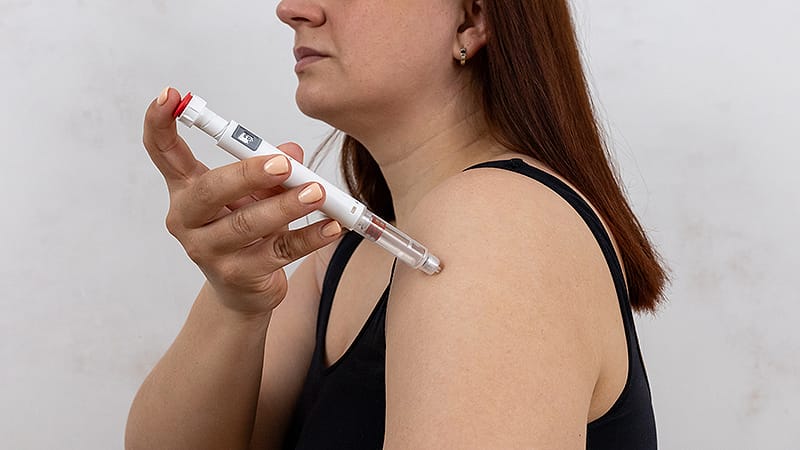
A new meta-analysis comparing tirzepatide and semaglutide head-to-head found that tirzepatide leads to more weight loss and better blood sugar control, but does not come out ahead on safety. The study, published in Clinical Obesity, pooled data from 10 head-to-head studies covering 41,381 adults with overweight or obesity, including three randomized controlled trials and seven retrospective cohort studies [1].
Patients on tirzepatide lost more weight than those on semaglutide, with a mean difference of 4.28 percentage points of body weight and 4.43 kg in absolute terms [1]. Tirzepatide patients were also more likely to hit major weight-loss milestones: they were 43% more likely to lose at least 10% of body weight, 85% more likely to lose at least 15%, and about twice as likely to lose at least 20%, compared with semaglutide patients. There was no meaningful difference between the drugs at the 5% weight-loss threshold [1]. Tirzepatide also produced a modestly greater drop in A1c, a marker of blood sugar control, of 0.29 percentage points [1].
But the safety picture tells a different story. Serious adverse events occurred in 5.7% of tirzepatide patients compared with 2.9% of semaglutide patients, based on three studies included in the analysis, a rate nearly double for tirzepatide [1]. Despite this, the rate at which patients stopped treatment because of side effects did not differ significantly between the two drugs [1]. The studies included doses ranging from 2.5 mg to 15 mg for tirzepatide and 0.25 mg to 2.4 mg for semaglutide, reflecting the different dosing structures approved for each drug, and follow-up ranged from 24 to 72 weeks [1].
The study's authors, led by Giovanna Pagani Paccola of Universidade do Oeste Paulista in Brazil, wrote that the findings show a need "to balance efficacy and tolerability when selecting incretin-based therapies" [1]. The researchers cautioned that most of the pooled sample came from large observational cohorts rather than randomized trials, which raises the possibility that other factors, not just the drugs themselves, influenced the results [1]. They also noted substantial variation across studies in how outcomes were measured, and said the 72-week maximum follow-up was too short to assess long-term weight-loss durability or catch rare safety problems [1].
Why it matters for patients
For people choosing between tirzepatide-based drugs and semaglutide-based drugs, this analysis suggests a real tradeoff rather than a clear winner. Patients seeking the largest possible weight loss may see better results with tirzepatide, based on the pooled data, but that has so far come with a higher rate of serious adverse events in these studies [1]. Patients who are switched between the two drugs by their insurance plan or pharmacy benefit manager, a increasingly common situation, may want to understand that the two medications are not simply interchangeable in terms of expected results or side-effect risk, according to this analysis [1].
The study did not find a difference in how often patients quit either drug because of side effects, which suggests that day-to-day tolerability, such as nausea or gastrointestinal discomfort, may feel similar to many patients even though the rate of serious complications differed [1]. Because much of the evidence comes from observational data rather than randomized trials, and because the longest follow-up was only 72 weeks, questions about long-term safety and durability of weight loss with either drug remain open [1]. It is not yet known from this analysis how these findings would change with longer-term data or in more diverse real-world populations.
What happens next
The authors did not specify a timeline for follow-up research, but they noted that longer studies are needed to evaluate durability of weight loss and to detect rarer safety events that a 72-week window cannot capture [1].
Sources
Semaglutides.org is for information only and is not medical advice. Always talk to a licensed healthcare provider about your own care. Some links to telehealth services are affiliate links, labeled where they appear.