Off-label GLP-1 prescribing to US children under 12 rises more than 300-fold since 2019
A Pediatrics study of 3.5 million US kids ages 8 to 11 with obesity found GLP-1 prescribing jumped 310-fold since 2019, mostly to children with severe obesity and those in wealthier areas.
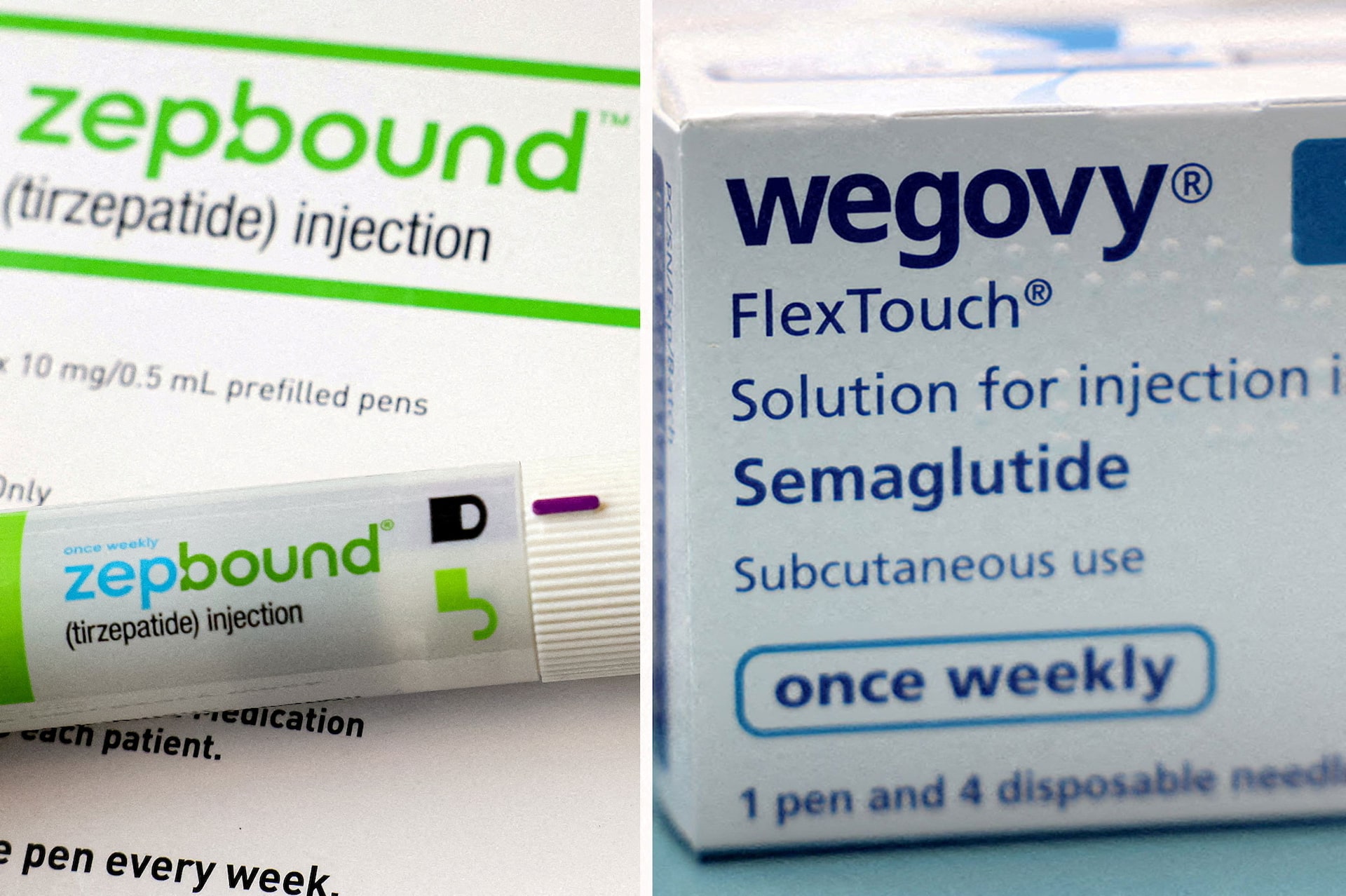
US doctors are prescribing GLP-1 weight-loss drugs to children under 12 far more often than they did a few years ago, according to a study published September 4 in the journal Pediatrics [1][2]. Among more than 3.5 million children ages 8 to 11 who had obesity but not diabetes, prescribing rose 310-fold between 2019 and June 2026 [2][4].
The researchers, led by NYU Langone Health, used Epic Cosmos, a national electronic health record database covering more than 300 million US patients, drawn from 2,067 hospitals and 47,100 clinics [4]. Epic had no role in the study [1]. The analysis ran from January 1, 2019 through June 17, 2026 and looked at three drugs: Saxenda, Wegovy (semaglutide) and Zepbound (tirzepatide) [2]. Wegovy was the one prescribed most often [1].
Over the whole study period, 20,282 children ages 8 to 11 received a GLP-1 prescription [1][4]. Across the full cohort, 0.6% of children with obesity got one — lower than the 0.9% rate the researchers found among adolescents ages 12 to 17 [4]. The study's headline trend figure is that "prevalent prescribing" climbed from 0.03% in 2019 to 9.3% in 2026 [2]. Those two framings are hard to square from the published abstract alone, which also reports much smaller per-year rates such as 79.5 per 10,000 for 11-year-olds [2]. The full text is behind a paywall, so exactly how the 9.3% figure was calculated is not clear from the sources available here.
Who is getting these prescriptions
The pattern suggests doctors are aiming the drugs at the sickest children. Nearly all — 93.7% — of those prescribed a GLP-1 had severe obesity, meaning a BMI well above almost all other children of the same age and sex [4]. About 65.2% had at least one obesity-related condition such as high cholesterol, high blood pressure or sleep apnea [4]. Children with those conditions were prescribed GLP-1s at a rate of 188.9 per 10,000, far above the overall rate [2]. A quarter of the young children prescribed a GLP-1 were prediabetic [4].
Age and sex mattered too. Eleven-year-olds were prescribed the drugs at 79.5 per 10,000 versus 41.5 per 10,000 for 8-year-olds, and girls at 75.9 per 10,000 versus 42.8 for boys [2].
The study also found a socioeconomic split. Children in communities with low social vulnerability were prescribed GLP-1s at 76.1 per 10,000, compared with 49.2 per 10,000 in high-vulnerability communities [2]. Put another way, children in upper-income communities were 55% more likely to get a prescription [1][4]. Co-senior author Allan Massie said prescribing patterns already show "the beginnings of a growing divergence between those who do and those who do not have access to the medications" [4].
Why it matters for patients
None of these drugs is FDA-approved for children under 12, so any use in this age group is off-label [1]. Clinical practice guidelines for pediatric obesity do allow clinicians to consider GLP-1 receptor agonists starting at age 8 in certain cases [1][2].
For families, the study is a snapshot of what is actually happening in US clinics, not a safety or effectiveness finding. It does not report how much weight these children lost, what side effects they had, or how long they stayed on treatment. Lead investigator Babak Orandi said long-term monitoring is needed to make sure the drugs remain safe and effective in this age group [1][4]. He also said untreated obesity in young children carries its own long-term risks, including diabetes, high blood pressure and liver disease later in life [4].
The access gap is the other practical takeaway: cost, insurance coverage and the ability to get to a pediatric specialty clinic appear to shape who is treated, not just who is sick [1][4]. About 20% of US children have obesity, defined as a BMI above the 95th percentile for their age and sex [4].
What happens next
Clinical trials of these medications are already running in children with obesity as young as 6, which Orandi said should give doctors, policymakers and parents better guidance [4]. Specific trial names, sponsors and readout dates are not given in the available sources.
The study was funded by NYU Langone [4]. Orandi has served on an advisory board for Boehringer Ingelheim, and co-author Dorry Segev has received consulting or speaking fees from several companies; NYU says none of that work relates to this study [4].
Images from the sources
Sources
- https://www.reuters.com/legal/litigation/more-children-under-12-us-are-being-prescribed-weight-loss-drugs-study-finds-2026-09-04/
- https://publications.aap.org/pediatrics/article-abstract/doi/10.1542/peds.2026-077048/208779/Trends-in-GLP-1-Receptor-Agonist-Prescriptions-for
- https://publications.aap.org/pediatrics/article-abstract/doi/10.1542/peds.2026-077048/208779/Trends-in-GLP-1-Receptor-Agonist-Prescriptions-for?redirectedFrom=fulltext
- https://nyulangone.org/news/glp-1-use-among-young-children-obesity-us-remains-rare-rising-rapidly
- https://www.reuters.com/legal/litigation/more-children-under-12-us-are-being-prescribed-weight-loss-drugs-study-finds-2026-09-04
Semaglutides.org is for information only and is not medical advice. Always talk to a licensed healthcare provider about your own care. Some links to telehealth services are affiliate links, labeled where they appear.