Truveta data show a 19 percent jump in GLP-1 prescribing among adults 65 and older after the Bridge launch
Truveta says the share of Americans 65 and older with a GLP-1 prescription rose 19 percent from June to July 2026, right as Medicare's $50-a-month Bridge program began.
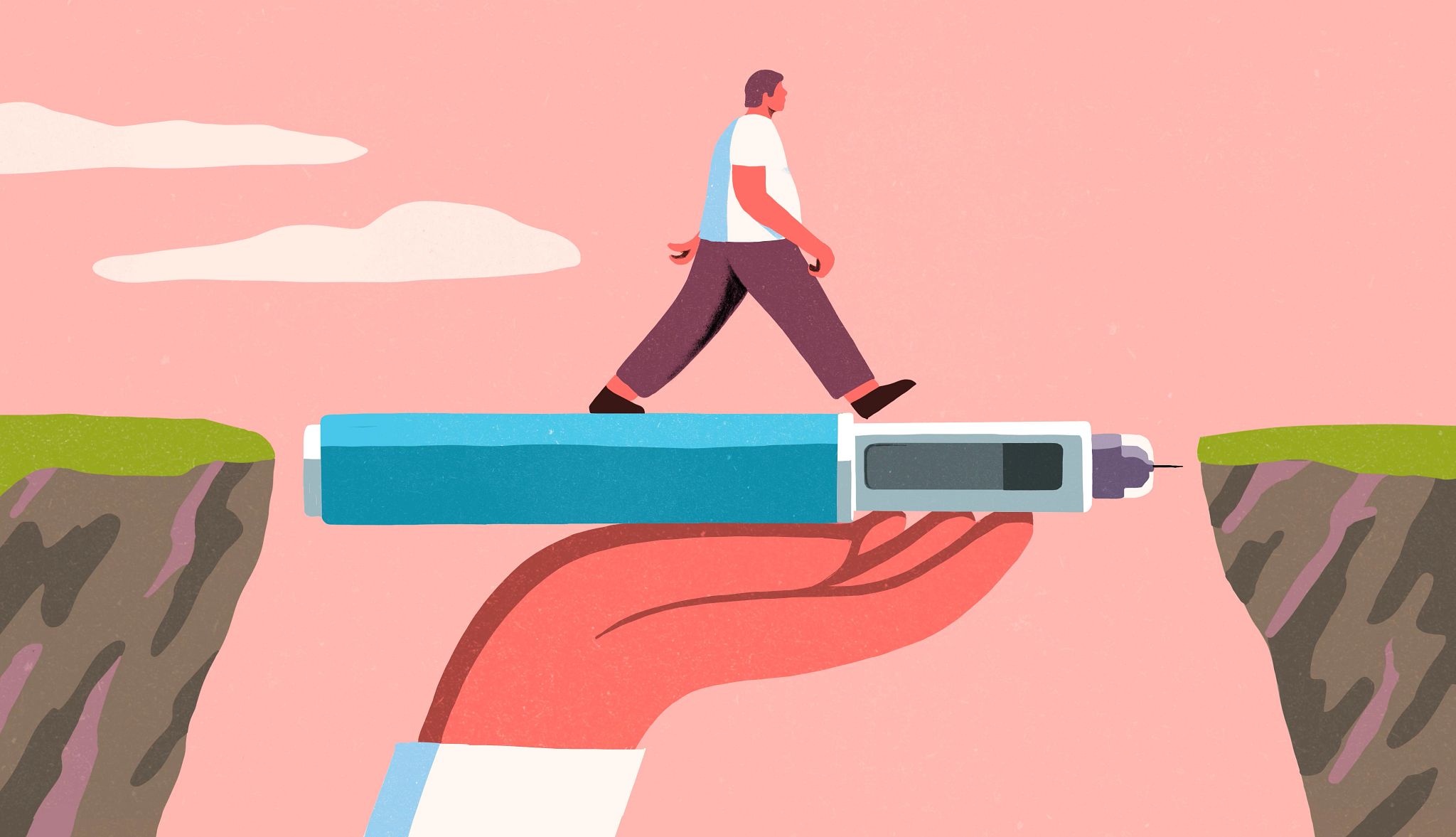
Health data company Truveta reported that the share of adults aged 65 and older with a GLP-1 prescription climbed 19 percent between June and July 2026 — the largest month-over-month jump in the seven years the company has tracked the measure. The increase lines up with the July 1 start of the Medicare GLP-1 Bridge program, which lets eligible beneficiaries get obesity medications for $50 a month [2].
According to Truveta's analysis, the increase was not spread evenly across drugs. Tirzepatide — sold as Zepbound for obesity and Mounjaro for type 2 diabetes — showed roughly an 80 percent relative increase. Semaglutide, sold as Wegovy, Ozempic and Rybelsus, rose 40.9 percent. Prescription volume for orforglipron, the new pill sold as Foundayo, was too small for Truveta to measure. Truveta cautioned that its data cannot establish cause and effect, but said the timing shows how fast prescribing can shift when a financial barrier is removed. The company's full methodology was not included in the materials reviewed for this story, so it is not yet known how it defined the 65-and-older denominator or handled diabetes prescriptions.
What the Bridge program does
Medicare is barred by law from paying for weight-loss drugs, so the administration built a workaround. Under Bridge, Medicare will cover an obesity drug for $50 a month if a beneficiary meets certain conditions — for example, obesity combined with high blood pressure that is hard to control [2]. People with sleep apnea or type 2 diabetes are not eligible, on the theory that Medicare Part D should already cover GLP-1s for those diagnoses [2]. Prior authorization is required before a Bridge prescription can be filled [2].
Pharmacy data point the same direction as Truveta's numbers. CVS said it had filled more than 100,000 Bridge prescriptions as of mid-August, and Walgreens reported about the same figure [2]. Walmart did not give a count but said Bridge prescriptions have been processed at more than 5,000 Walmart and Sam's Club pharmacies and are growing week over week [2]. Walgreens chief pharmacy officer Rick Gates said stores stocked extra Wegovy, Zepbound and Foundayo ahead of the launch and have not hit supply problems, adding that "there's been a little bit more uptake than we even expected" [2]. About half of the Bridge patients Walgreens has served had never taken a GLP-1 before [2].
CMS has not released official participation figures. CMS Administrator Mehmet Oz said in a July 29 video on X that 250,000 beneficiaries had signed up, though it is not clear how many cleared prior authorization [2]. Medicare estimated before launch that roughly 4 million beneficiaries might qualify; USC Schaeffer Institute scholar Jeremy Shane estimated the known pharmacy totals represent somewhere between 5 and 10 percent of the eligible population in a short period [2].
Why it matters for patients
For older adults, the practical takeaway is that the main obstacle to these drugs has often been price rather than interest. A 19 percent one-month jump in prescribing among people 65 and older, alongside 200,000-plus prescriptions at two chains, suggests substantial pent-up demand [2].
It also matters that eligibility is narrow. Because type 2 diabetes and sleep apnea diagnoses rule someone out of Bridge, some patients who are sick in other ways do not qualify for the $50 price and must rely on regular Part D coverage or other discounts [2]. CVS said it accepts third-party discount cards, manufacturer coupons and vouchers for people outside the program [2].
Cost to taxpayers is still unsettled. The administration has not said what the 18-month program will cost; KFF estimated $1.3 billion to $10 billion depending on participation, against $181 billion in total Part D drug spending in 2025 [2].
What happens next
The Bridge program is scheduled to run through the end of 2027 [2]. Whether the July surge holds, levels off, or fades as people stop therapy over side effects such as nausea and diarrhea — a risk Gates specifically flagged — will not be clear until several more months of data are published [2]. CMS has not committed to releasing its own enrollment or fill-rate numbers.
Sources
Semaglutides.org is for information only and is not medical advice. Always talk to a licensed healthcare provider about your own care. Some links to telehealth services are affiliate links, labeled where they appear.