Washington State shut down Mochi's in-house compounder over illegally imported GLP-1 powder
A published investigation says Washington inspectors shut Mochi Health's in-house compounder after finding illegally imported GLP-1 powder, and that Mochi then switched to a pharmacy with its own regulatory record.
Washington state health inspectors raided and shut down Aequita Pharmacy, a compounding operation in a Kirkland business park, citing what regulators described as a "serious risk" to patients, according to an investigation into the supply chain behind telehealth company Mochi Health [1]. Aequita had been Mochi's in-house source for compounded GLP-1 medications, and its closure pushed the company to line up a new large-scale supplier [1].
Inspection findings described in the reporting included workers whose licensing or qualifications were questioned, expired medications, and concerns about how pharmaceutical ingredients were handled and sourced [1]. Investigators also found GLP-1 base powder that state officials said had been imported illegally from overseas [1]. Former Aequita employees said company leadership put financial considerations ahead of patient safety; those allegations have been disputed [1]. The raid is described as happening "last year," and the sources do not give an exact date, the size of the affected patient population, or whether any product was recalled — that is not yet known.
The replacement supplier
After Aequita closed, Mochi turned to Empower Pharmacy, one of the country's largest compounders [1]. Empower already had a documented regulatory history: since 2022 the FDA has issued the company three warning letters alleging violations of federal law, with inspectors documenting issues involving contamination and expired or improperly labeled medications [1]. Records reviewed for the investigation show 15 state pharmacy boards have opened investigations involving Empower, many resulting in disciplinary action or formal reprimands, and in 2024 the Drug Enforcement Administration fined the company $65,000 over allegations of unlawfully shipping controlled substances [1].
Empower disputes claims against it. "Patient safety and quality are foundational to how Empower operates, reflected in the company's rigorous quality standards," the company said in a statement, adding that it is proud of its quality record and has addressed problems previously identified by federal regulators [1].
The reporting ties the supply-chain questions to patient cases. At least three patients in three states have had serious medical emergencies that they or their families link to compounded GLP-1s from pharmacies that were, at various times, part of Mochi's supplier network [1]. Don Rhodes sued in Texas after his 50-year-old daughter died in 2024, 29 days after being hospitalized; she had used compounded semaglutide obtained from Empower through another source, not through Mochi [1]. Empower has called the suit inflammatory, denied wrongdoing, argued there is no evidence establishing cause of death, and asked a Harris County court to dismiss [1]. In Kentucky, Jimmie Wilson says she needed a liver transplant weeks after starting a compounded version of tirzepatide from Lexington Compounding Pharmacy, which denies responsibility and says no scientific evidence links its product to her liver failure [1]. In Illinois, Mochi customer Shawn Rose says he was hospitalized four separate times after injecting a compounded GLP-1 from another pharmacy in Mochi's network; state health authorities are investigating [1].
Why it matters for patients
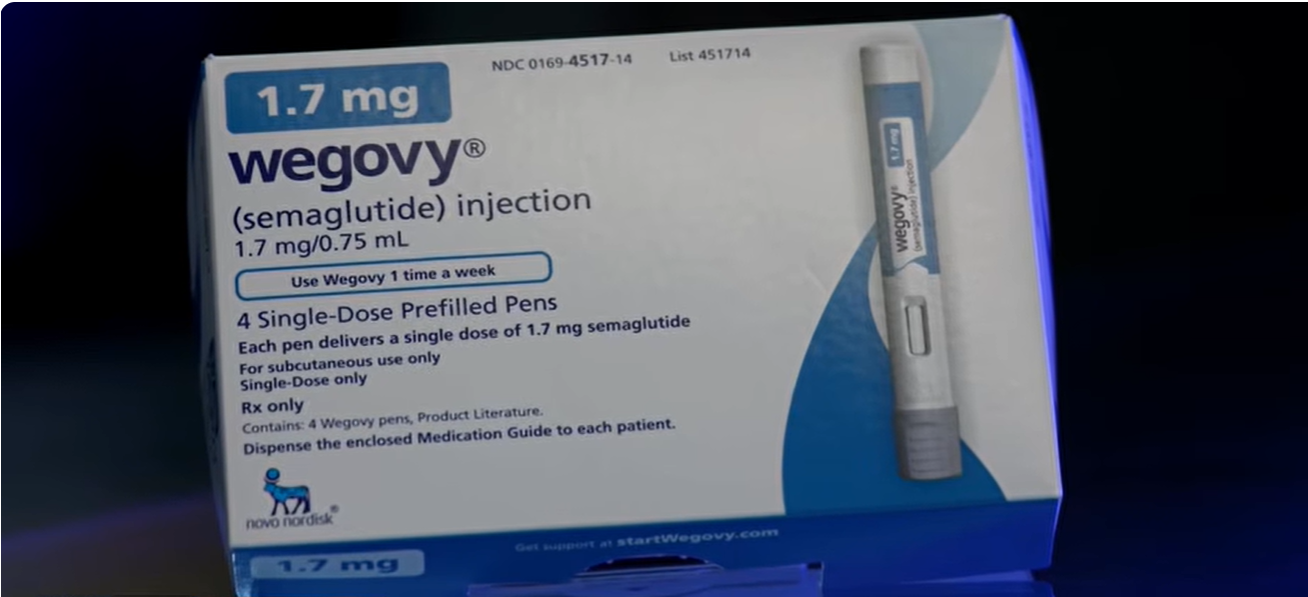
Compounded drugs are not FDA-approved the way brand-name semaglutide (Ozempic, Wegovy, Rybelsus) or tirzepatide (Mounjaro, Zepbound) are [1]. That means the pharmacy making the product — and the quality of the raw powder it buys — carries much of the safety burden. The Aequita findings describe illegally imported base powder, a sourcing problem a patient has no way to see from a shipping box.
The reporting also highlights an accountability gap. Shabbir Imber Safdar of the Partnership for Safe Medicines argues enforcement lands on individual pharmacies while telehealth marketers move on: "They just eject the compounding pharmacy that's been operating dangerously from their network, and they pick up a new compounding pharmacy," he said, adding that "there's rarely any consequence for the harm onto patients" [1]. That churn can make it hard for patients to know which pharmacy filled which vial.
What happens next
Wilson's Kentucky lawsuit remains pending, and Illinois authorities are still investigating Rose's case [1]. Separately, on April 29, 2026, a federal judge in the Southern District of Texas dismissed Eli Lilly's federal trademark and Texas unfair competition claims against Empower over compounded tirzepatide while letting other states' unfair competition claims proceed, according to a legal-industry tracker, which also reports no trial date for patient injury suits and no MDL consolidation or global settlement [2]. Mochi Health's response to the findings is not included in the sources.
Sources
Semaglutides.org is for information only and is not medical advice. Always talk to a licensed healthcare provider about your own care. Some links to telehealth services are affiliate links, labeled where they appear.