FDA says most Zepbound and Mounjaro doses will stay tight through June
Nearly all doses of Zepbound and Mounjaro will remain hard to find through June 2024, the FDA says, a stretch of scarcity that opened the door to widespread compounded tirzepatide.
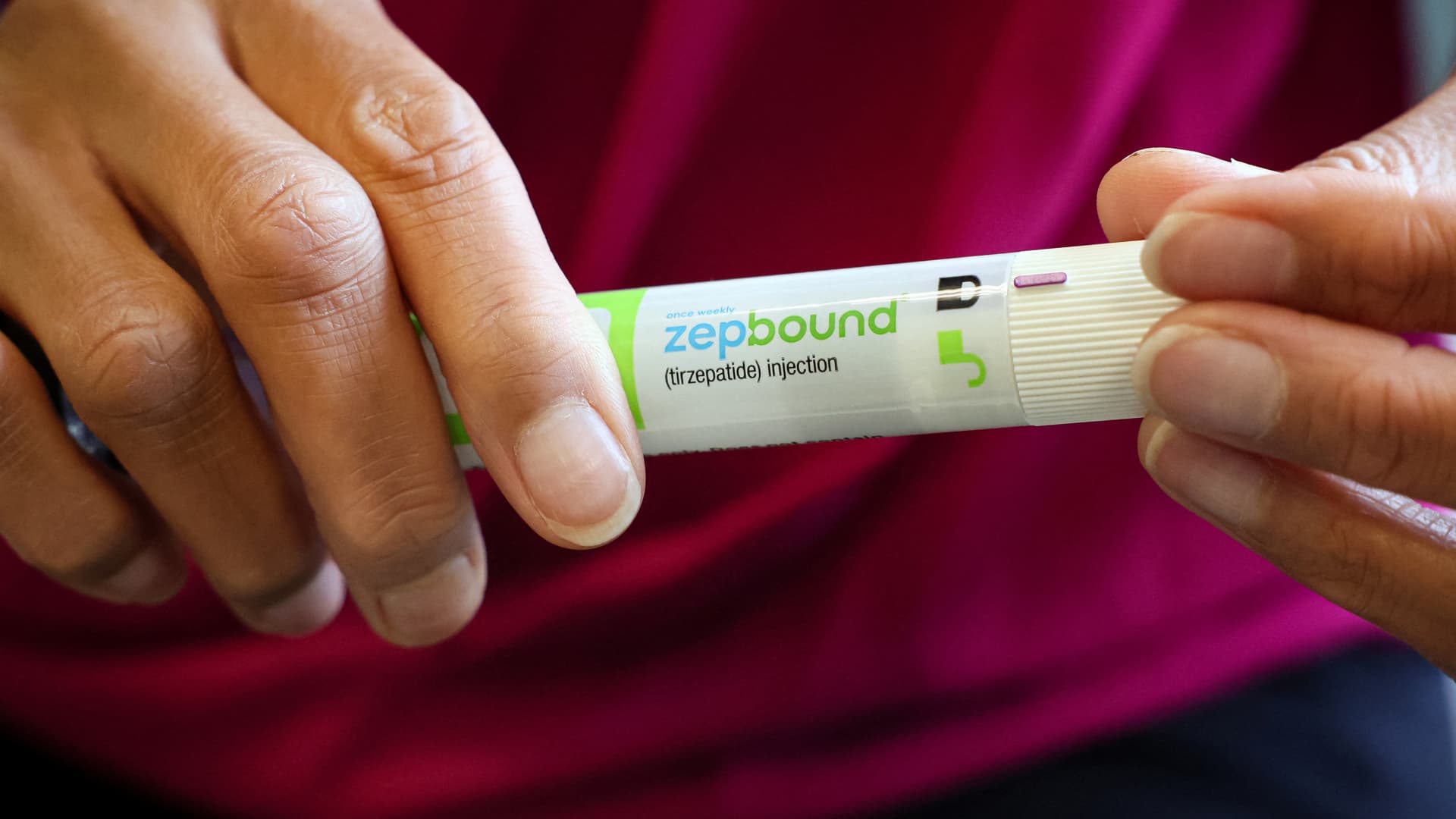
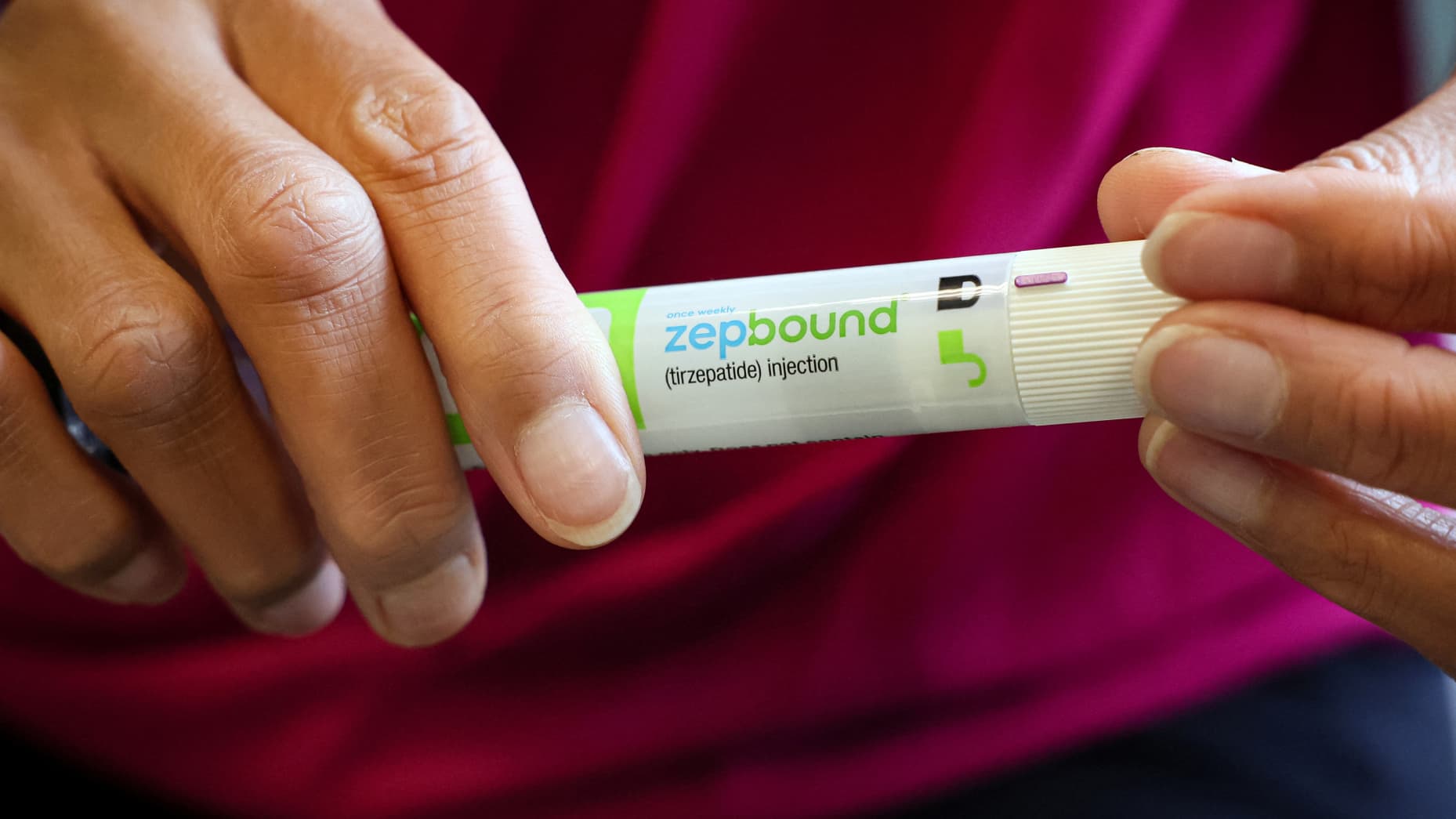
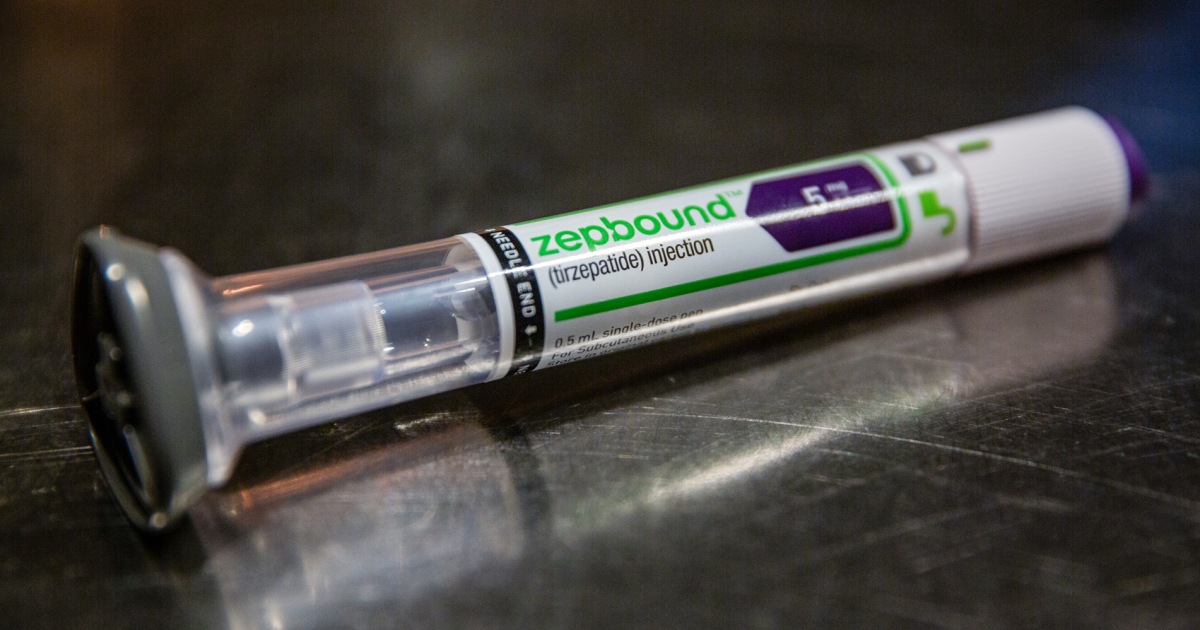
Most strengths of Eli Lilly's Zepbound and Mounjaro will stay in short supply through the end of June, according to an April 17 update to the Food and Drug Administration's drug shortage database [1]. Every dose of both drugs except the 2.5-milligram starting dose is listed as having limited availability [1]. The update extended an earlier notice that had only projected shortages through the end of April [1].
Both drugs contain the same active ingredient, tirzepatide, marketed as Mounjaro for diabetes and Zepbound for weight loss [2]. Zepbound had only been approved by the FDA in November before entering shortage status just months later, despite Lilly's CEO telling NBC News earlier that supply was not a concern [2]. Lilly has said the shortage is driven by demand outpacing what the company can produce for both diabetes and obesity patients [2].
Rhonda Pacheco, Lilly's group vice president for diabetes and obesity, said the company expects "limited availability, which may cause delays across some of the doses for both Mounjaro and Zepbound" for the near term, and that Lilly is "working so hard every day" to increase capacity [2]. A company spokesperson said Lilly expects investments in manufacturing to "progressively increase production of our medicines throughout 2024 and beyond," with the most significant gains coming in the second half of the year [1]. By then, Lilly projects its output of sellable doses of incretin drugs will be at least 1.5 times higher than in the second half of 2023 [1]. The company declined to give specific production numbers for its new plant [2].
Novo Nordisk's Wegovy and Ozempic, which contain semaglutide, are also listed in shortage on the FDA's site, though the CNBC report does not detail the projected end dates for those products [1].
Why it matters for patients
For people prescribed Zepbound or Mounjaro, this shortage means some doses may simply not be available at a given pharmacy, forcing patients to call around or delay starting or continuing treatment. One patient described calling "every Walmart pharmacy in the state of New Jersey" without finding her prescribed dose [2]. Patients may also face gaps between refills if their specific strength is unavailable when they need it.
This kind of federally recognized shortage is also the legal basis that allowed compounding pharmacies to make and sell versions of tirzepatide outside Lilly's own supply chain, since federal law allows compounders to fill gaps when an FDA-listed drug is officially in shortage. Patients considering a compounded product should understand that this exception exists specifically because of the shortage status described here, and that the shortage listing itself can change over time as manufacturers report new supply data to the FDA.
What happens next
Lilly has said it expects a new manufacturing facility in Concord, North Carolina, dedicated to tirzepatide products, to begin production by the end of 2024, with products reaching pharmacy shelves in 2025 [1][2]. The company also plans additional facilities in Indiana and Germany in the coming years [1]. Lilly's own projection is that supply increases will be most significant in the second half of 2024, though the company has not committed to an exact date when shortages will end [1][2]. The FDA's shortage database is updated periodically, meaning the June endpoint cited here could be extended or shortened depending on future manufacturing and demand data.
Images from the sources
Sources
Semaglutides.org is for information only and is not medical advice. Always talk to a licensed healthcare provider about your own care. Some links to telehealth services are affiliate links, labeled where they appear.