FDA lists every Mounjaro and Zepbound dose as available, keeping both on shortage list
Every dose of Mounjaro and Zepbound now shows as available in the FDA's shortage database, but the drugs stay on the shortage list while the agency checks backorders and supply.
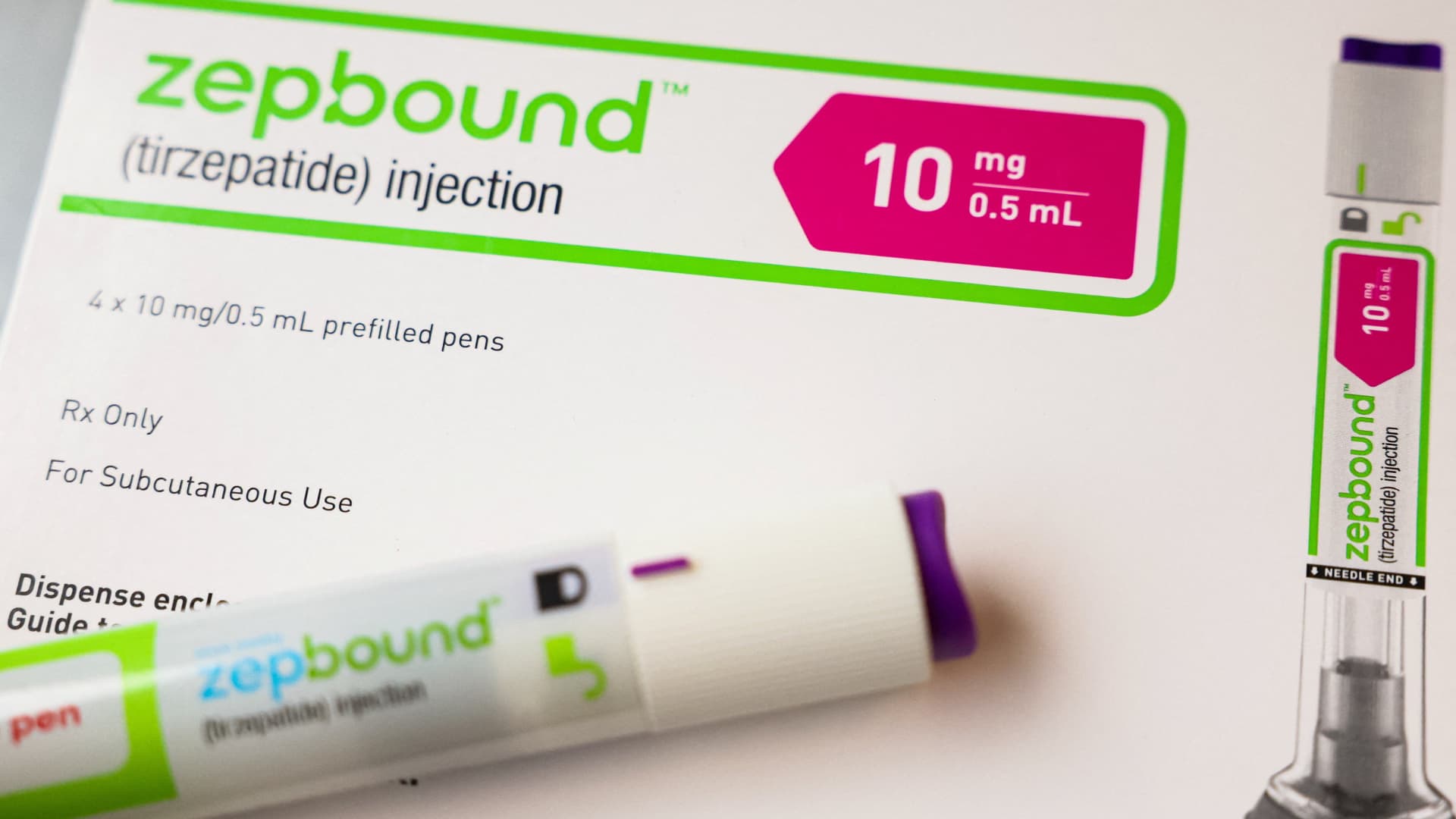
The FDA's drug shortage database showed every dose of Eli Lilly's Mounjaro and Zepbound as available in the United States on Friday, Aug. 2, 2024 [1][2]. The two drugs, however, have not been taken off the shortage list itself [2].
Mounjaro, Lilly's diabetes medicine, had been on that list since late 2022, and some of its doses were in short supply from as early as that year [1][2]. Zepbound, the company's weight-loss drug, was added in April 2024, about five months after its U.S. approval in November 2023 [1][2]. The update published before Friday's still showed some doses of both treatments in short supply [1].
The agency treats the two statuses differently. In an email, the FDA said that "even when all doses of a drug are listed as available, additional criteria are considered before moving a drug off the shortages list" [2]. Those criteria include whether backorders have been filled and whether supply is keeping up with demand [2]. The agency said it continues to watch availability and to work with the company on a stable supply of safe and effective drugs [2].
Lilly said the change matched what it had been predicting. "All doses of Mounjaro and Zepbound are listed as available on the FDA's website which is consistent with our previous statements that supply would steadily improve toward the latter half of 2024," a company spokesperson told Reuters [2]. A Lilly spokesperson did not immediately answer CNBC's request for comment on the update [1].
Friday's database change came one day after Lilly CEO David Ricks told Bloomberg the shortages would end "very soon," adding, "I think actually today or tomorrow we plan to exit that process" [1].
The same database listed all doses of Novo Nordisk's diabetes drug Ozempic as available on Friday, while three doses of its weight-loss drug Wegovy were still in limited supply [1][2]. Both Ozempic and Wegovy are semaglutide [2]. Demand for this class of drugs has run ahead of supply for months, leading Lilly and Novo Nordisk to spend billions expanding manufacturing [1][2]. In trials, GLP-1 therapies have reduced weight by up to 20%, and some analysts estimate the market for them could reach $150 billion in revenue by the early 2030s [2].
Why it matters for patients
The shortage database is one of the places pharmacists, prescribers and patients look when a medicine is hard to find. As of Aug. 2, 2024, no Mounjaro or Zepbound dose was flagged as in short supply, but the agency had not yet cleared either drug from the shortage list, because it was still weighing backorders and whether supply meets demand [1][2].
Among the four best-known brand-name drugs in the class, Wegovy was the exception, with three doses still listed as limited [2]. Those doses can still be harder to fill than Ozempic, Mounjaro or Zepbound, based on the same database [1][2].
The FDA has not said when it expects to remove Mounjaro and Zepbound from the shortage list [2]. It also has not said what the availability listing means for compounded versions of tirzepatide; that has not been reported.
What happens next
The FDA said it will keep monitoring drug availability and working with Lilly to ensure a stable supply [2]. Ricks said on Aug. 1 that the company planned to exit the shortage process "today or tomorrow" [1]. No date has been given for taking the drugs off the shortage list [2]. Novo Nordisk is also working to ramp up supply, and some Wegovy doses were listed as limited as of Aug. 2 [1][2].
Images from the sources
Sources
Semaglutides.org provides information only, not medical advice. Talk to a licensed provider about your own care before making changes. Some telehealth links are affiliate links and are labeled where they appear.