Lilly launches $399 Zepbound vials and starts the cash-pay price war
Eli Lilly began selling Zepbound single-dose vials directly to cash-paying patients at $399 and $549 for a four-week supply, well below the roughly $1,060 list price of the pens.
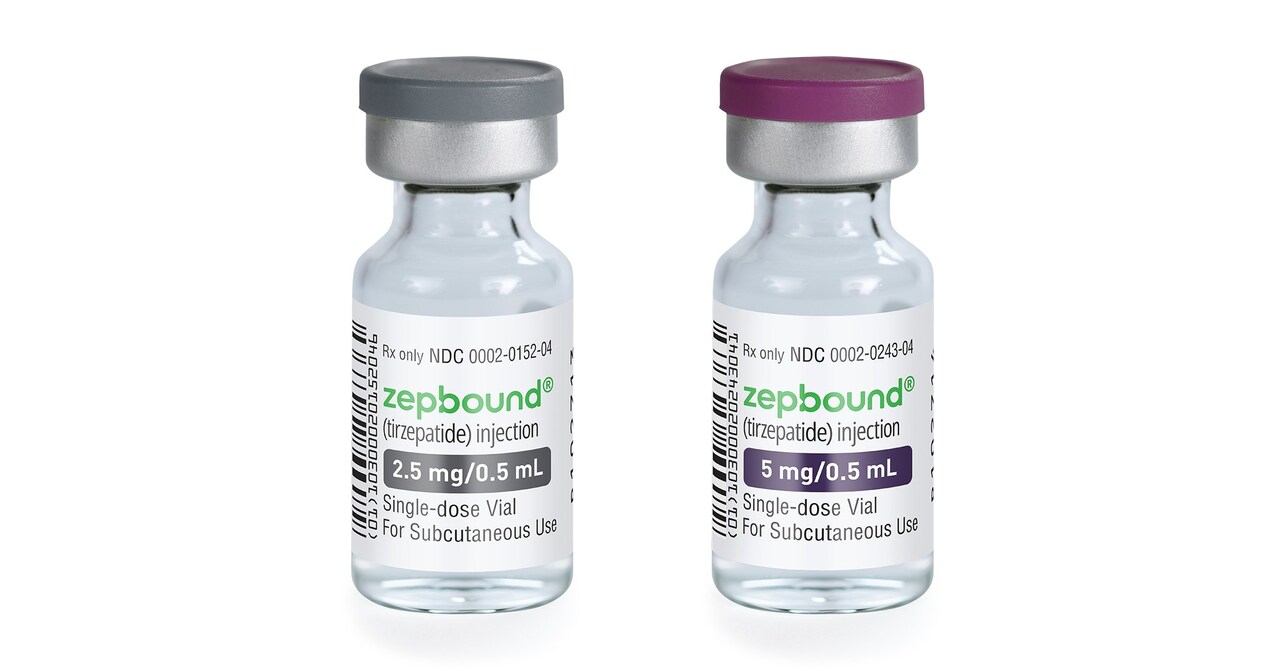
Eli Lilly said on Aug. 27, 2024 that it is now selling single-dose vials of Zepbound (tirzepatide) at 2.5 mg and 5 mg directly to self-paying patients through its LillyDirect website, at $399 and $549 for a four-week supply [1][2]. The company said the vials are priced at least 50% below the list price of every other incretin (GLP-1) medicine for obesity [1].
The per-vial math: $99.75 for each 2.5 mg vial and $137.25 for each 5 mg vial [1][4]. Zepbound's autoinjector pens carry a list price of about $1,060 a month, according to BioPharma Dive [5]. Reuters framed the discount differently, noting that Lilly charges $650 a month for the pen version through its own website — up from a $550 launch price earlier in 2024 — which makes the $399 vial a $250, or 40%, savings against what many cash payers were already paying [2].
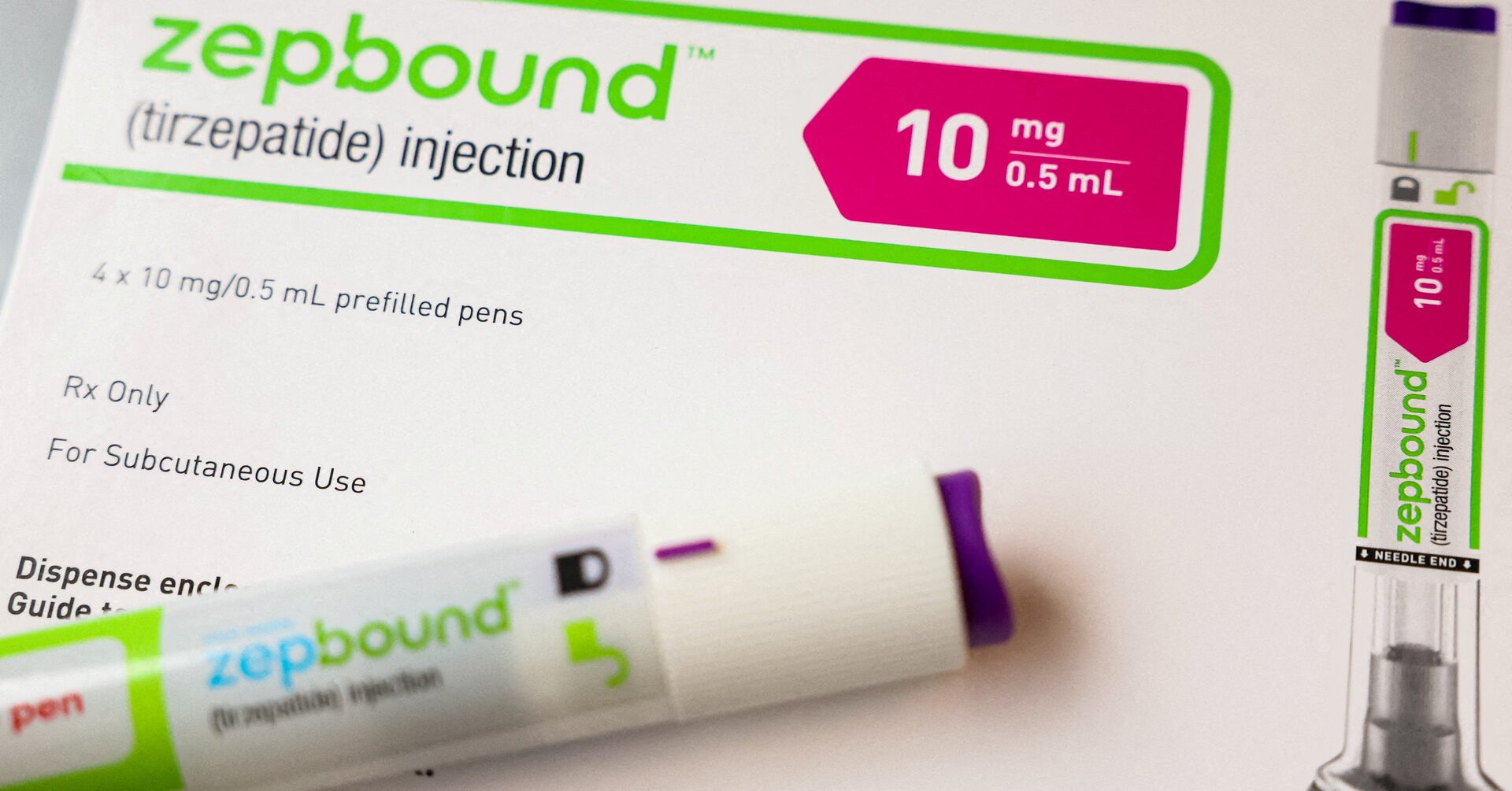
Unlike the pens, the vials require patients to draw up the dose with a syringe and needle. Lilly said patients can buy syringes and needles through the same channel and will get instructional materials on how to inject correctly [1]. A multi-step verification process is meant to confirm that buyers have a valid, on-label electronic prescription from their own health care provider, part of what Lilly describes as an effort against counterfeit and untested knock-offs, and against cosmetic use [1][4].
Only the two lowest doses are offered this way. Lilly cited a clinical study in which tirzepatide 5 mg, with a reduced-calorie diet and more physical activity, produced an average of 15% weight loss over 72 weeks, compared with 3.1% for placebo [1][4]. Patrik Jonsson, president of Lilly Cardiometabolic Health and Lilly USA, told Reuters that a large share of patients do not move past 5 mg [2]. Evercore ISI analyst Umer Raffat pointed out the flip side: the 2.5 mg and 5 mg doses were not as effective at lowering weight as the 10 mg and 15 mg doses, which remain pen-only [5]. Zepbound's approved maintenance doses are 5 mg, 10 mg or 15 mg once weekly [1].
Why it matters for patients
The vials create a new, published cash price for people who have no insurance coverage for obesity drugs, who work for an employer that excludes them, or who do not qualify for Lilly's savings card [1][5]. Until now, the main low-cost route for many people has been compounded tirzepatide sold by telehealth companies while the drug was in shortage. Citi analyst Daniel Grosslight said Lilly's offer would take market share from those compounders [2]. Hims & Hers, which has offered compounded versions of Novo Nordisk's weight-loss drug for as little as $199 a month, saw its shares fall 7% the day of the announcement [2].
Supply is the other half of the story. Vials are easier to manufacture and fill than pens, and Lilly CEO David Ricks told investors the format opens up "the most constrained part of the supply chain" [5]. As of the announcement, Lilly's drugs were listed as available by the FDA but had not yet been removed from the official shortage list [2]. That matters because compounding of copies is allowed in the U.S. when a drug is in shortage; if Zepbound comes off the list for good, BMO analyst Evan Seigerman said Lilly would have an easier time suing sellers of compounded versions [2].
The $399 price is not as deep a cut as it looks against list price. Raffat estimated Zepbound's net price, after rebates to insurers, is already around $650 a month, and said the self-pay discounts would not change his revenue forecasts [5]. Seigerman estimated large health plans get Zepbound for $300 to $400 off the list price of more than $1,000 [2].
Sen. Bernie Sanders (I-Vt.), chairman of the Senate HELP Committee, called it "a modest step forward" but noted that Lilly raised what Americans pay under its patient assistance program from $550 to $650, and that Mounjaro — the same molecule for type 2 diabetes — still costs $1,069 a month in the U.S. versus $485 in the United Kingdom and $94 in Japan [3].
What happens next
Sanders said he would question Novo Nordisk's CEO about drug prices at a HELP Committee hearing on Sept. 24, 2024, and would press Lilly to cut Zepbound and Mounjaro list prices further [3]. Whether Lilly extends vial pricing to higher doses is not stated in these sources.
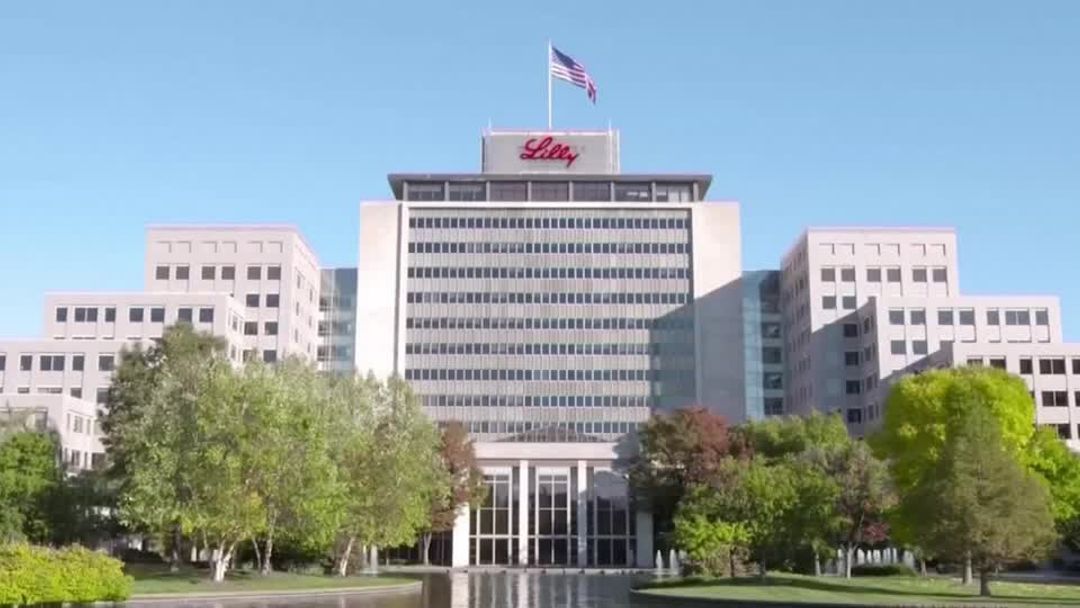
Images from the sources
Sources
- https://www.prnewswire.com/news-releases/lilly-releases-zepbound-tirzepatide-single-dose-vials-expanding-supply-and-access-for-adults-living-with-obesity-302230905.html
- https://www.reuters.com/business/healthcare-pharmaceuticals/lilly-launches-single-dose-vials-zepbound-weight-loss-expand-us-supply-2024-08-27/
- https://www.sanders.senate.gov/press-releases/news-sanders-statement-on-eli-lillys-decision-to-lower-the-starter-price-of-blockbuster-weight-loss-drug-zepbound/
- https://investor.lilly.com/news-releases/news-release-details/lilly-releases-zepboundr-tirzepatide-single-dose-vials-expanding
- https://www.biopharmadive.com/news/lilly-zepbound-obesity-self-pay-single-dose-vials/725346/
Semaglutides.org is for information only and is not medical advice. Always talk to a licensed healthcare provider about your own care. Some links to telehealth services are affiliate links, labeled where they appear.