Ro starts selling discounted Zepbound vials in a deal with Lilly
Telehealth company Ro began selling Eli Lilly's lower-cost Zepbound vials on Dec. 11, 2024, part of Lilly's push to move patients off compounded tirzepatide as a supply-shortage exemption was ending.
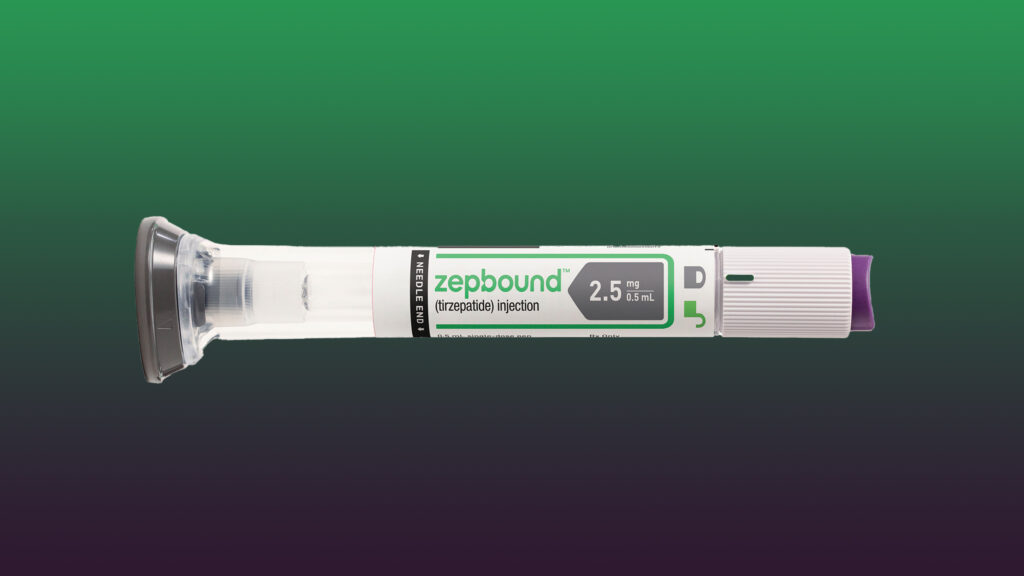
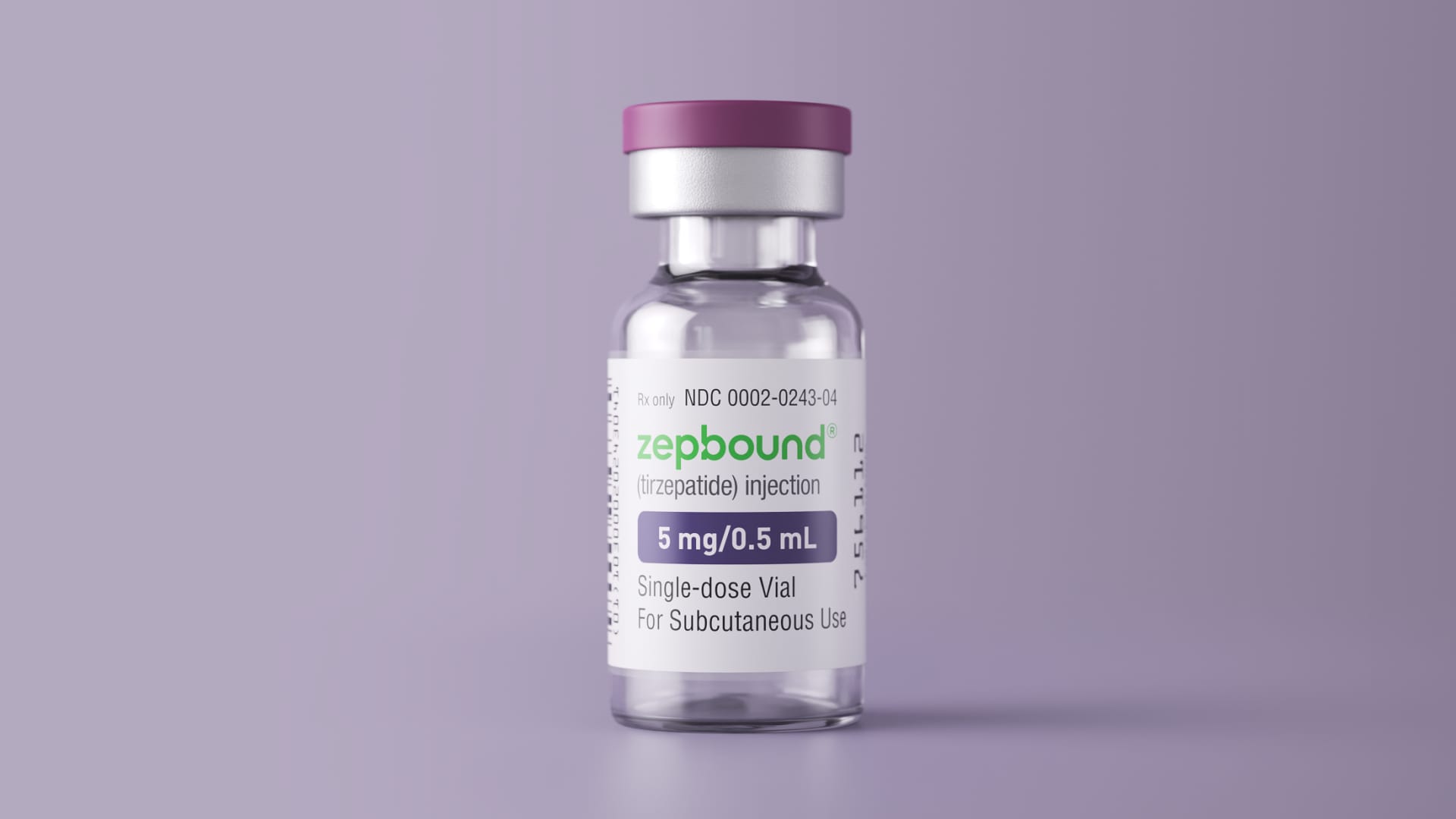
Eli Lilly announced a new partnership with telehealth platform Ro on Dec. 11, 2024, making Ro the first company besides Lilly's own site to sell discounted single-dose vials of Zepbound (tirzepatide) [1][2]. Under the deal, patients who get a Zepbound prescription through a Ro-affiliated provider can now have vials delivered to their homes through an integration with Lilly's direct-to-consumer site, LillyDirect [2].
The vials are dispensed by a third-party digital pharmacy called Gifthealth, which already handled vial orders placed directly through LillyDirect [2]. Ro says the arrangement creates a "complete end-to-end" experience, letting patients get a diagnosis, prescription, and delivery from one app instead of visiting a doctor's office and a separate pharmacy [2].
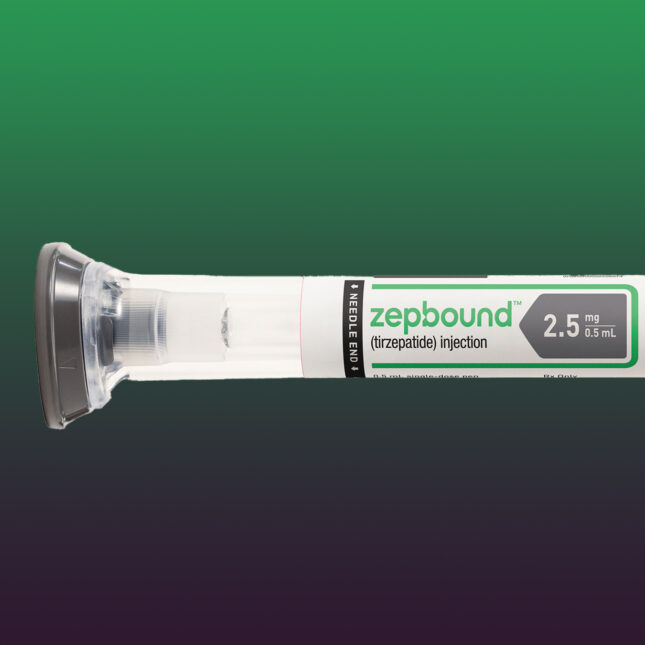
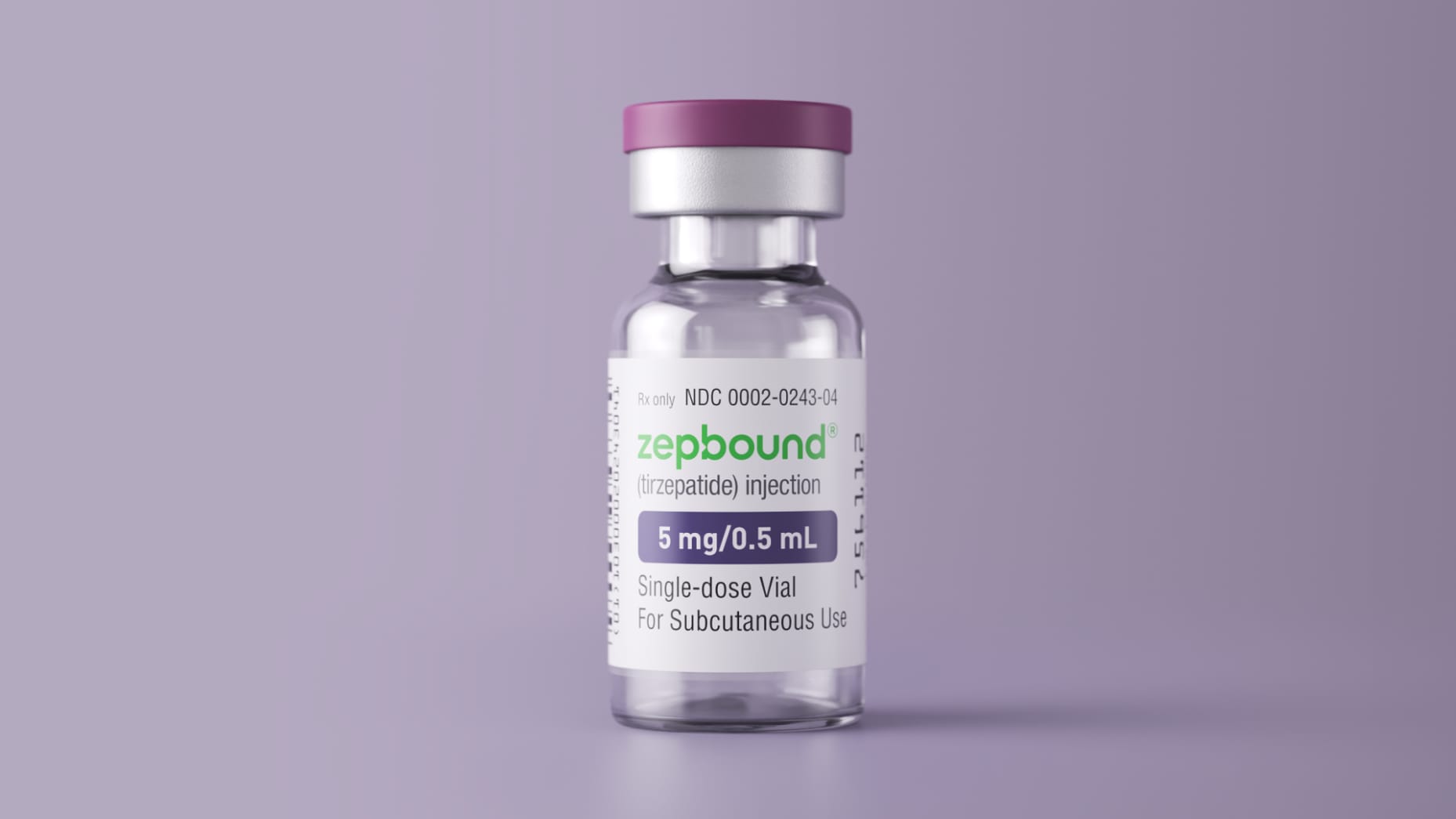
Price is central to the deal. The 2.5-milligram vial costs $399 a month and the 5-milligram vial costs $549 a month, before insurance, compared with roughly $1,000 a month for Zepbound's autoinjector pen, also before insurance [2]. Lilly began selling these vials through LillyDirect in August 2024, and Ro's CEO, Zachariah Reitano, called them the "most affordable branded cash-pay GLP-1" on the market, while acknowledging that $400 to $500 a month is "still out of reach for many" even if it is more accessible than $1,000 [2].
The timing is not a coincidence. Ro had been one of the major telehealth platforms selling compounded copies of GLP-1 drugs during the branded shortages, and Lilly has been aggressive about pushing back on compounded tirzepatide, including sending cease-and-desist letters to telehealth companies offering it [1]. At the time of the announcement, the FDA was reconsidering its decision to remove Zepbound from the drug shortage list after a lawsuit from a trade group representing compounding pharmacies — a decision that, if it stands, would largely end compounding pharmacies' ability to make custom tirzepatide [2]. Lilly's Patrik Jonsson, president of cardiometabolic health, said the goal of the integration was to "break down barriers and provide patients with safe and effective options they can rely on" [2].
Why it matters for patients
For patients without insurance coverage for Zepbound, the vial option through Ro offers a lower cash price than the pen, which could make the branded drug more attainable as compounded versions become harder to access [2]. But the vials still cost hundreds of dollars a month, which Ro's own CEO said remains out of reach for some people [2]. Patients who had been relying on compounded tirzepatide through Ro or similar platforms may need to weigh switching to a costlier branded product against uncertainty over whether compounded versions will remain legally available [1][2]. The deal also reflects a broader pattern: Lilly has been working through multiple telehealth partners to steer patients toward its own product and away from compounding pharmacies, which it has criticized directly [1].
What happens next
At the time of the announcement, the FDA had not finalized its decision on whether Zepbound would return to, or stay off, the official drug shortage list, a decision being contested in court by a compounding pharmacy trade group [2]. Reitano said Ro would follow whatever FDA guidance results, while also working to preserve patient access to what it considers the most effective and affordable products [2]. The sources do not specify a date by which the FDA's shortage determination would be finalized.
Images from the sources
Sources
Semaglutides.org is for information only and is not medical advice. Always talk to a licensed healthcare provider about your own care. Some links to telehealth services are affiliate links, labeled where they appear.