Lilly asks to join the compounders' lawsuit against the FDA
Eli Lilly moved to intervene in a legal fight over compounded tirzepatide, saying it can't count on the FDA alone to keep cheaper copycat versions of Zepbound and Mounjaro off the market.
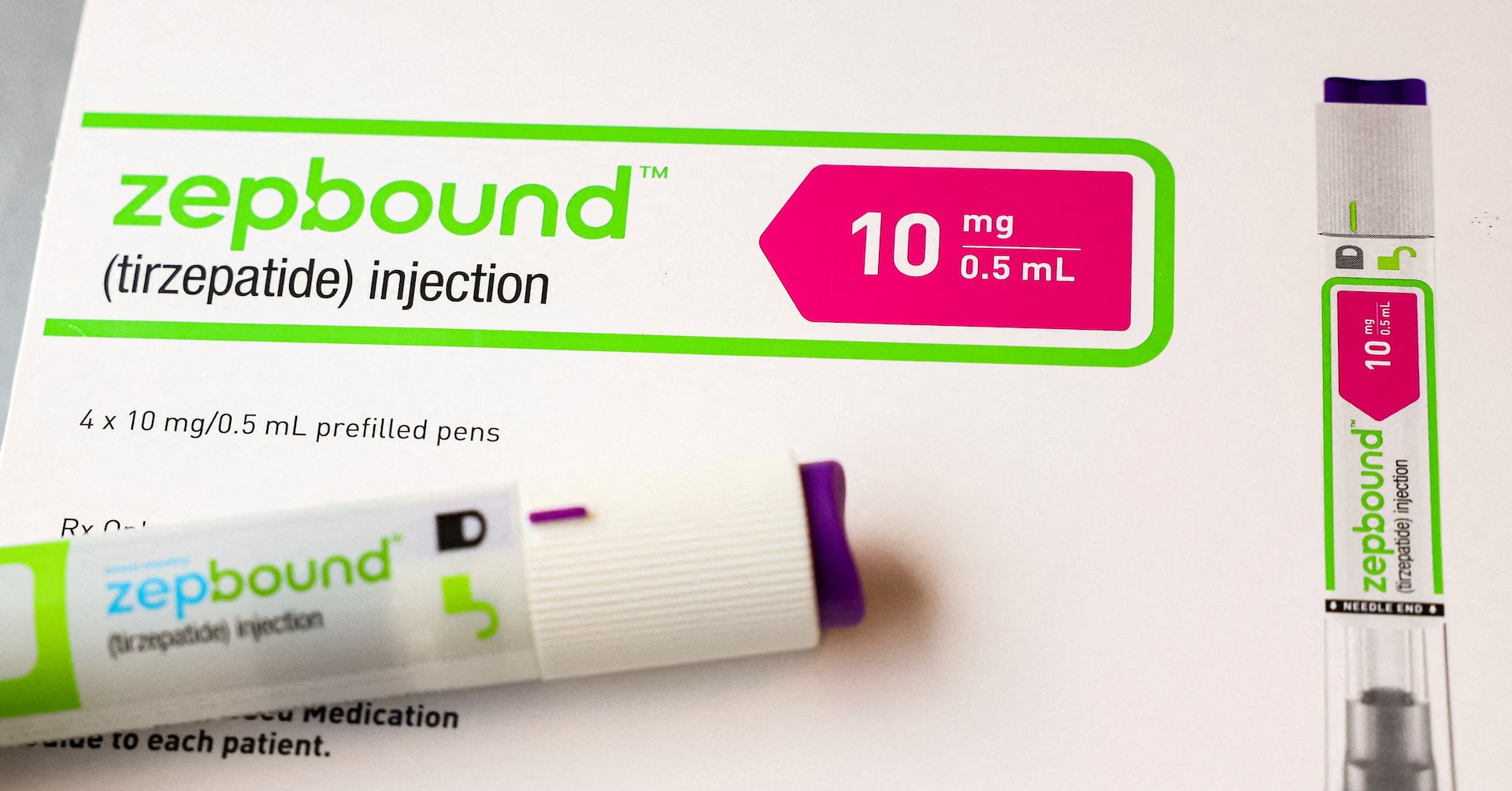
Eli Lilly asked a federal court in Fort Worth, Texas, to let it join the FDA's side in a lawsuit over compounded versions of tirzepatide, the active ingredient in Lilly's Zepbound and Mounjaro [1]. The company filed its motion on Jan. 1, 2025, arguing it needed a seat at the table because it could not be sure the FDA would appeal if the court ruled against the agency [1]. Courts granted Lilly's request, and the company remained a party through appeals that stretched into 2026 [1].
The case, brought by the Outsourcing Facilities Association and a Texas compounding pharmacy, challenges the FDA's decision that the tirzepatide shortage had ended [1]. Compounders can legally mass-produce copies of brand-name drugs only when the FDA lists the drug as being in short supply. The FDA first declared the tirzepatide shortage over in October 2024, agreed to reconsider after the lawsuit was filed, and then affirmed on Dec. 19, 2024, that the shortage remained resolved [1]. At that point the agency said it would hold off on enforcement for at least 60 days while the legal fight continued [1].
In its filing, Lilly said it believed individual compounding pharmacies — as distinct from larger "outsourcing facilities" — may not be allowed to make compounded tirzepatide even during a shortage, a reading that Lilly said may not match the FDA's own position [1]. That distinction matters because outsourcing facilities and traditional compounding pharmacies operate under different rules, and a court ruling could affect them differently.
Money is a big part of why this fight matters. Insurers typically cover Lilly's and Novo Nordisk's drugs when they are prescribed for diabetes, but many insurance plans do not cover the medications when used for weight loss, according to Reuters [1]. That gap has pushed many patients to pay out of pocket for compounded versions, which are usually cheaper than the brand-name drugs [1]. Novo Nordisk's Wegovy, semaglutide, remained on the FDA's shortage list at the time of this filing, and a separate industry survey cited by Reuters found more than 200,000 prescriptions for compounded Wegovy were being filled each month as of November 2024 [1].
Lilly has also pursued the compounding issue outside the courtroom. The company began sending cease-and-desist letters in August 2024 to telehealth companies, wellness centers and medical spas selling compounded versions of Zepbound and Mounjaro, and it has filed separate lawsuits against sellers it says falsely claimed to offer FDA-approved product [1].
Why it matters for patients
For people currently using compounded tirzepatide because it's cheaper or easier to get than Zepbound or Mounjaro, this legal fight determines whether that option keeps existing. If courts side with the FDA and Lilly, compounders would generally lose the legal basis to keep making large batches of copied tirzepatide, since that basis exists mainly during declared shortages [1]. That could push more patients toward the brand-name drugs, which cost more out of pocket for anyone whose insurance does not cover weight-loss treatment [1]. If courts side with the compounders' association instead, the shortage-based exception could stay in place longer, preserving access to compounded versions.
It's not yet known from these sources how a final ruling would specifically affect patients already receiving compounded tirzepatide, or what transition period, if any, would follow a court decision against compounders.
What happens next
The FDA said on Dec. 19, 2024, that it would not take enforcement action against compounders for at least 60 days [1]. Lilly's motion to intervene was filed Jan. 1, 2025, and courts granted that request, with Lilly remaining a party through appeals that continued into 2026 [1]. The sources here do not specify a final ruling date or outcome of those appeals.
Images from the sources
Sources
Semaglutides.org is for information only and is not medical advice. Always talk to a licensed healthcare provider about your own care. Some links to telehealth services are affiliate links, labeled where they appear.