Medicare can cover Zepbound for sleep apnea, CMS confirms
CMS says Medicare Part D plans may cover Zepbound when it's prescribed for obstructive sleep apnea — the first time a Medicare door has opened for an obesity drug, though coverage is not guaranteed.
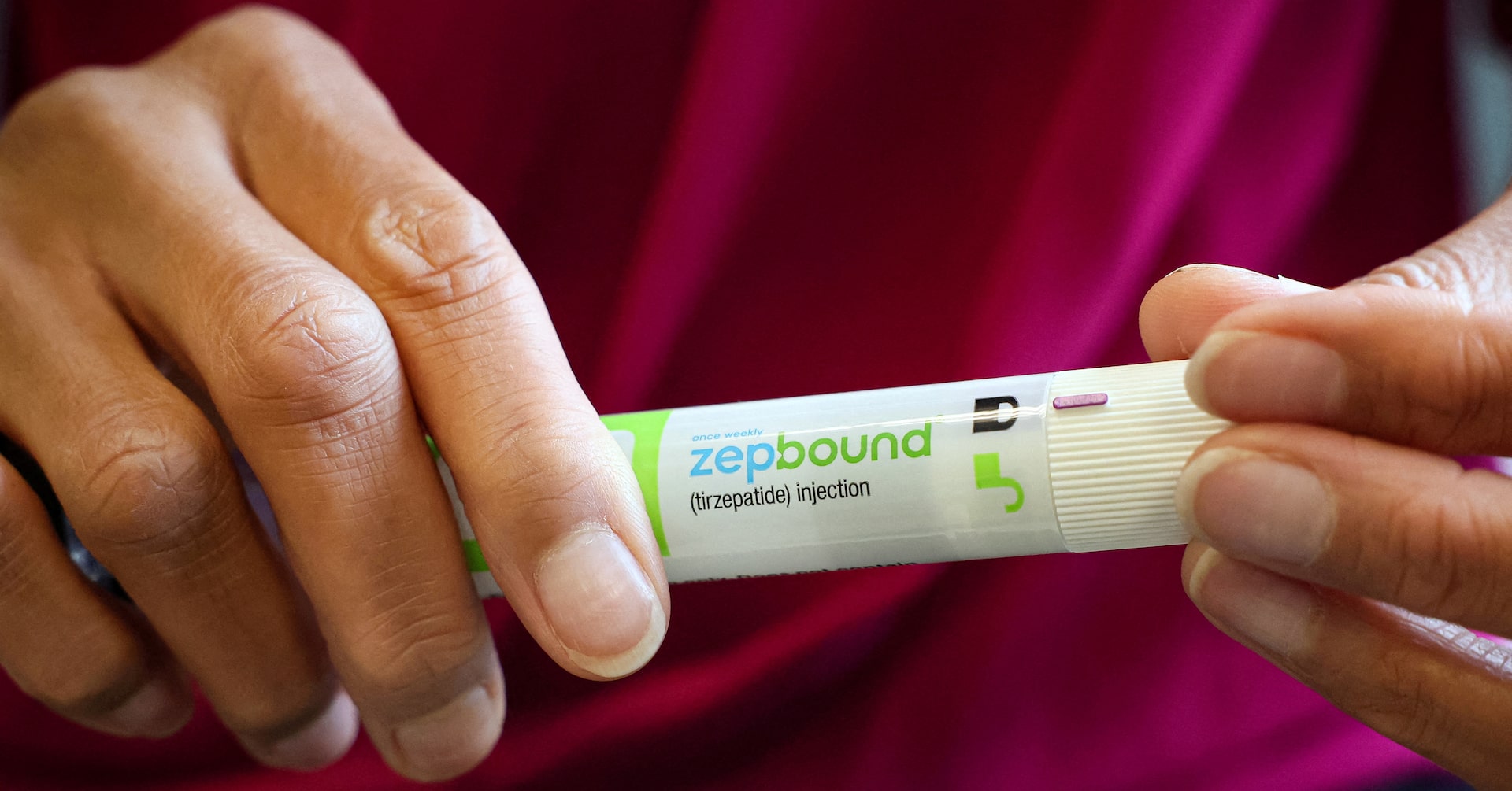
Medicare drug plans can cover Eli Lilly's Zepbound (tirzepatide) when it is prescribed for obstructive sleep apnea, the Centers for Medicare & Medicaid Services confirmed on Jan. 8, 2025 [1][2]. The statement follows the Food and Drug Administration's Dec. 20 approval of Zepbound for adults with obesity and moderate-to-severe obstructive sleep apnea (OSA) [1].
The distinction matters because federal law blocks Medicare Part D from paying for drugs used for weight loss. A CMS spokesperson told CNBC that "current Medicare Part D and Medicaid coverage rules apply" to Zepbound after the approval, and that Part D plans can cover obesity drugs when they are used for an additional medically accepted purpose approved by the FDA [1][3]. Reuters framed it the same way: Medicare cannot cover obesity drugs unless they are approved for a secondary use by the FDA [2].
What CMS actually said
The agency did not order anyone to pay for anything. It confirmed that plans may cover the drug for OSA. Reuters noted that insurers can still choose not to cover Zepbound despite the CMS guidance [2]. CMS also said Part D plans may use prior authorization — the process where a prescriber must get an insurer's approval first — to make sure the drug is being used for the approved sleep apnea indication rather than for weight loss [1][3].
Medicaid works differently. A state Medicaid program must cover Zepbound if it is prescribed for OSA and Eli Lilly has signed the Medicaid drug rebate agreement, under which manufacturers provide rebates to states in exchange for coverage [1]. If Zepbound is prescribed for weight loss, state Medicaid programs are not required to cover it [1].
The money at stake is significant. Zepbound carries a list price of roughly $1,000 per month before insurance [1][3]. Lilly says the December approval made Zepbound the first drug treatment cleared for the estimated 20 million people in the U.S. with moderate-to-severe OSA [1]. About 65 million people are enrolled in Medicare, which serves people 65 and older and people with disabilities [2]. Lilly called the Medicare coverage "good news" in a statement [1].
Not the first crack, but the widest
Zepbound is not alone. Part D plans are already allowed to cover Novo Nordisk's Wegovy (semaglutide) for its other approved use, reducing cardiovascular risk [1][3]. The diabetes versions of these molecules — Ozempic (semaglutide) and Mounjaro (tirzepatide) — are covered by Medicare and most insurance plans [1].
Both companies are studying their obesity drugs in fatty liver disease, chronic kidney disease and other conditions. For those uses to be covered, the drugs would need late-stage trial results and FDA approval for each new indication [1]. Analysts have forecast the GLP-1 market could reach at least $150 billion a year by the early 2030s [2].
Why it matters for patients
For a Medicare beneficiary who has both obesity and moderate-to-severe obstructive sleep apnea, this creates a legal pathway to coverage that did not exist before. But "can cover" is not "will cover." Whether a specific Part D plan pays depends on that plan's formulary, and prior authorization is likely [1][2].
The documentation burden is also real. Because plans may verify the drug is being used for OSA and not for weight loss, a sleep apnea diagnosis — typically established by testing — becomes the gatekeeper. The sources do not spell out what specific evidence plans will require, so that remains unclear.
For people on Medicare who have obesity but no qualifying second diagnosis, nothing changed on Jan. 8. Zepbound for weight loss alone remains outside Part D coverage [1].
It is also worth noting what sleep apnea treatment has looked like until now. Common recommended treatments include CPAP machines, surgery and weight loss [2]. Sleep apnea causes brief interruptions in breathing during sleep, disturbing the sleep cycle and contributing to long-term complications such as heart conditions [2].
What happens next
The Biden administration proposed a rule in November 2024 that would let Medicare and Medicaid cover weight-loss drugs for patients with obesity, at a cost to taxpayers of as much as $35 billion over the next decade [1][3]. Reuters reported that if the incoming Trump administration backs the move, it would take effect from 2026 [2]. As of the January reporting, it was unclear whether the new administration would pursue the rule [1][3].
Images from the sources
Sources
- https://www.cnbc.com/2025/01/08/medicare-can-now-cover-eli-lillys-zepbound-for-sleep-apnea-cms-says.html
- https://www.reuters.com/business/healthcare-pharmaceuticals/eli-lillys-obesity-drug-gets-medicare-coverage-sleep-apnea-cnbc-reports-2025-01-08/
- https://www.nbcchicago.com/news/business/money-report/medicare-can-now-cover-eli-lillys-zepbound-for-sleep-apnea/3641067/
Semaglutides.org is for information only and is not medical advice. Always talk to a licensed healthcare provider about your own care. Some links to telehealth services are affiliate links, labeled where they appear.