Lilly pledges $27 billion for four new US plants, taking total US commitments past $50 billion
Eli Lilly said it will spend at least $27 billion on four new US plants, three making active ingredients including tirzepatide, a bet on future supply that won't produce medicine for up to five years.
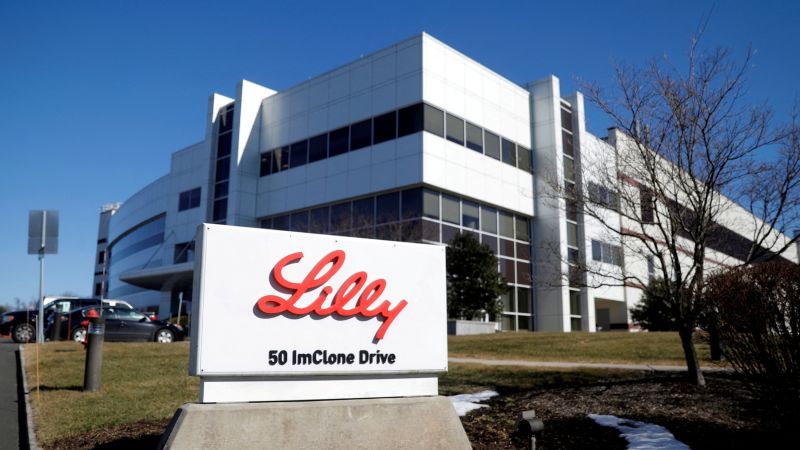
Eli Lilly announced on February 26, 2025 that it will build four new pharmaceutical manufacturing sites in the United States, an investment of at least $27 billion that pushes the company's total US capital expansion commitments past $50 billion since 2020 [1][2]. The announcement was made at a press conference in Washington, D.C., and the company called it "the largest pharmaceutical manufacturing investment in U.S. history" [1].
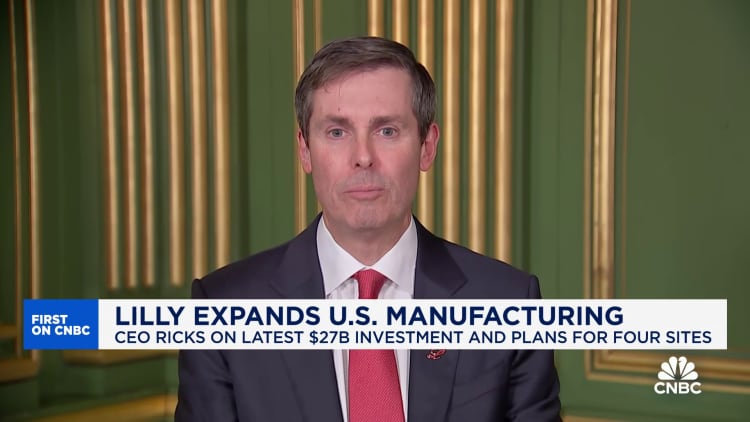
Three of the four sites will make active pharmaceutical ingredients (API) — the chemical heart of a drug — which Lilly described as "reshoring critical capabilities of small molecule chemical synthesis" [1]. CEO David Ricks said those plants will produce active ingredients such as tirzepatide, the molecule in the obesity drug Zepbound and the type 2 diabetes drug Mounjaro, and noted there is a "real gap in supply chain in the U.S. as it relates to active ingredient availability in our country" [2]. The fourth site will extend Lilly's global parenteral network for future injectable therapies [1].
The numbers behind the pledge
Lilly's prior domestic commitments from 2020 through 2024 totaled $23 billion, covering sites in Research Triangle Park and Concord, North Carolina; the LEAP Innovation District in Lebanon, Indiana; expansions in Indianapolis; the Lilly Medicine Foundry; and the Kenosha County, Wisconsin site [1]. The four new plants are expected to create more than 3,000 skilled jobs plus nearly 10,000 construction jobs, about 13,000 total [1].
Locations have not been chosen. Lilly said it is negotiating with several states and welcomes interest by March 12, 2025 [1]; CNBC reported the company will accept submissions through March 13 [2]. That one-day discrepancy is unresolved in the sources. Lilly expects to announce all four sites in 2025 and says the facilities will "begin making medicines for patients within five years" [1].
The political backdrop was explicit. President Donald Trump said in February he planned tariffs of about 25% on goods including pharmaceuticals starting as early as April 2, and reportedly told drug executives to move production to the US or face tariffs [4]. Commerce Secretary Howard Lutnick said at the event that the investment is "exactly what the Trump administration is all about" and added, "if you want to understand the tariff policy" of the US, "I have just articulated it" [2]. Ricks told CNN the "policy environment … is a major contributor" to the plans, and said the build-out depends on extension of the 2017 Tax Cuts and Jobs Act: if those policies aren't extended, "We'd have to re-look at the whole thing" [4].
Why it matters for patients
Nothing about this announcement changes what is on pharmacy shelves now, or what anyone pays at the counter. The plants don't exist yet, and Lilly's own timeline says medicines won't come out of them for up to five years [1][4].
What it does signal is how Lilly is thinking about supply. Tirzepatide and Novo Nordisk's semaglutide (Ozempic, Wegovy) each spent about two years on the FDA shortage list [4]. The FDA has since declared the tirzepatide shortage over, which largely bars compounding pharmacies from making copycat versions [2]. Ricks said Lilly is currently "running our plants globally 24/7, 365" and that "there's not a single hour of any day that every machine isn't working," which he called unsustainable while the company keeps up with "runaway demand" [4]. More capacity, if built on schedule, is intended to reduce the odds of a repeat shortage.
There is also a pricing angle, though an indirect one. Tariffs on imported drugs would raise costs somewhere in the system; domestic API production is one way companies argue they can avoid that exposure [2][4]. The sources do not say whether the new plants will lower list prices, co-pays, or cash-pay prices for Zepbound or Mounjaro. That is not yet known.
At the same event, Ricks criticized compounded copies, saying "America faces a growing threat from an influx of counterfeit and compounded medications" [2]. White House National Economic Council director Kevin Hassett said offshore producers of copycat drugs are "threatening lives in the U.S." [2].
What happens next
- March 12–13, 2025: deadline for states to submit interest in hosting a site, per Lilly's release and CNBC's account [1][2].
- Later in 2025: Lilly expects to name all four locations [1].
- Within about three months of the announcement: Ricks said late-stage trial results are expected for orforglipron, Lilly's experimental weight-loss pill now branded Foundayo; he also pointed to retatrutide as "the next super weight-loss drug from Lilly" [4].
- By 2030: the new plants are expected to start producing medicines [1][4].
Images from the sources
Sources
- https://investor.lilly.com/news-releases/news-release-details/lilly-plans-more-double-us-manufacturing-investment-2020
- https://www.cnbc.com/2025/02/26/eli-lilly-to-invest-27-billion-in-new-us-manufacturing.html
- https://www.prnewswire.com/news-releases/lilly-plans-to-more-than-double-us-manufacturing-investment-since-2020-exceeding-50-billion-302385372.html
- https://www.cnn.com/2025/02/26/health/eli-lilly-manufacturing-investment
Semaglutides.org is for information only and is not medical advice. Always talk to a licensed healthcare provider about your own care. Some links to telehealth services are affiliate links, labeled where they appear.