Teladoc and LifeMD to offer branded Zepbound vials as compounded copies face limits
Patients who pay cash for weight loss treatment through two large telehealth companies will be routed to branded Zepbound vials as compounded copies face tighter limits.
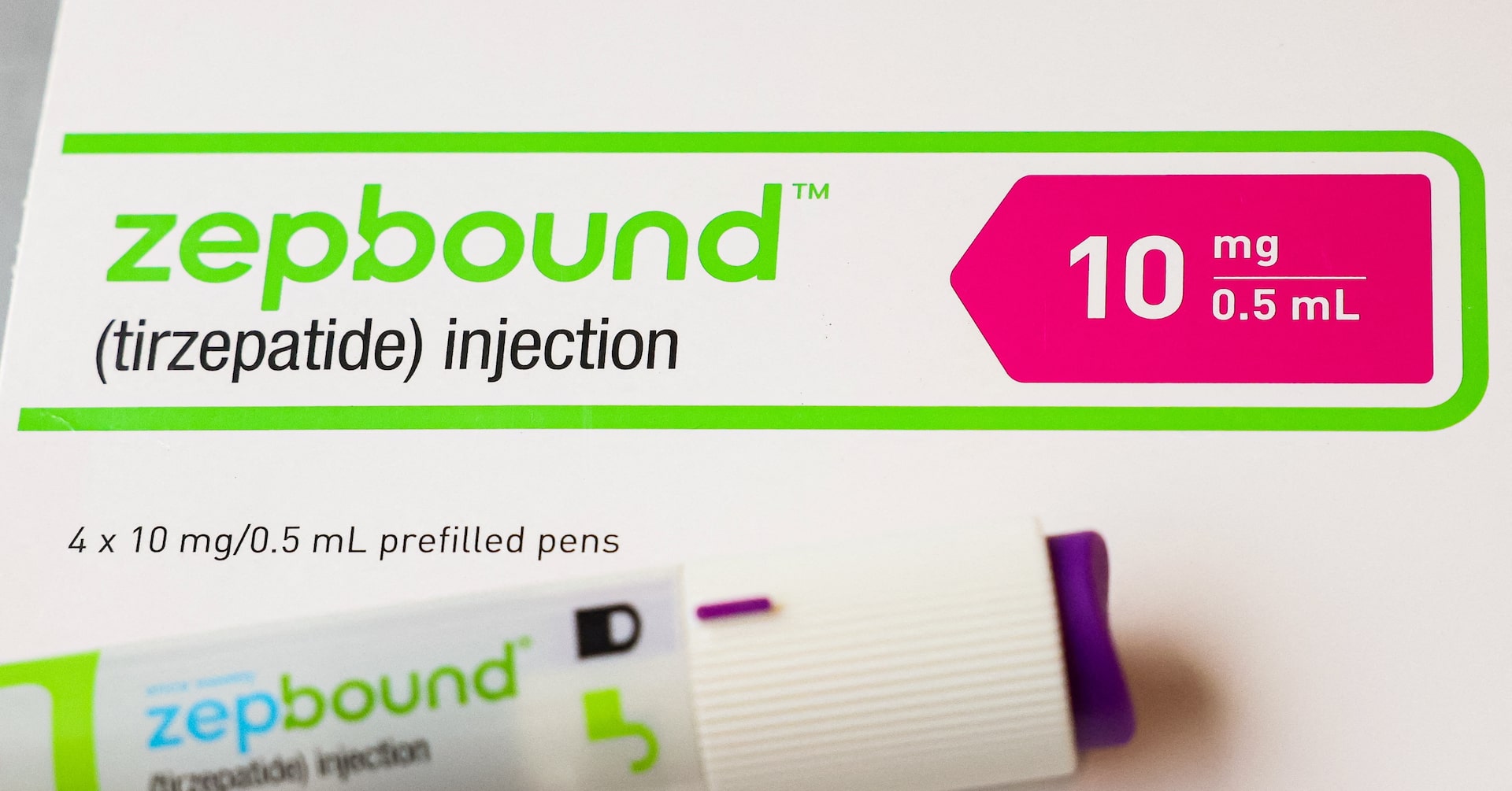
Teladoc Health and LifeMD said on March 6 that they signed agreements with Gifthealth, the pharmacy partner behind Eli Lilly's LillyDirect site, to offer branded Zepbound (tirzepatide) vials to patients who pay cash, moving a large group of self-paying patients away from compounded copies of the drug [1]. The announcements came one day after a federal judge denied an injunction that would have allowed compounding pharmacies to keep making copies of Zepbound in the United States [1].
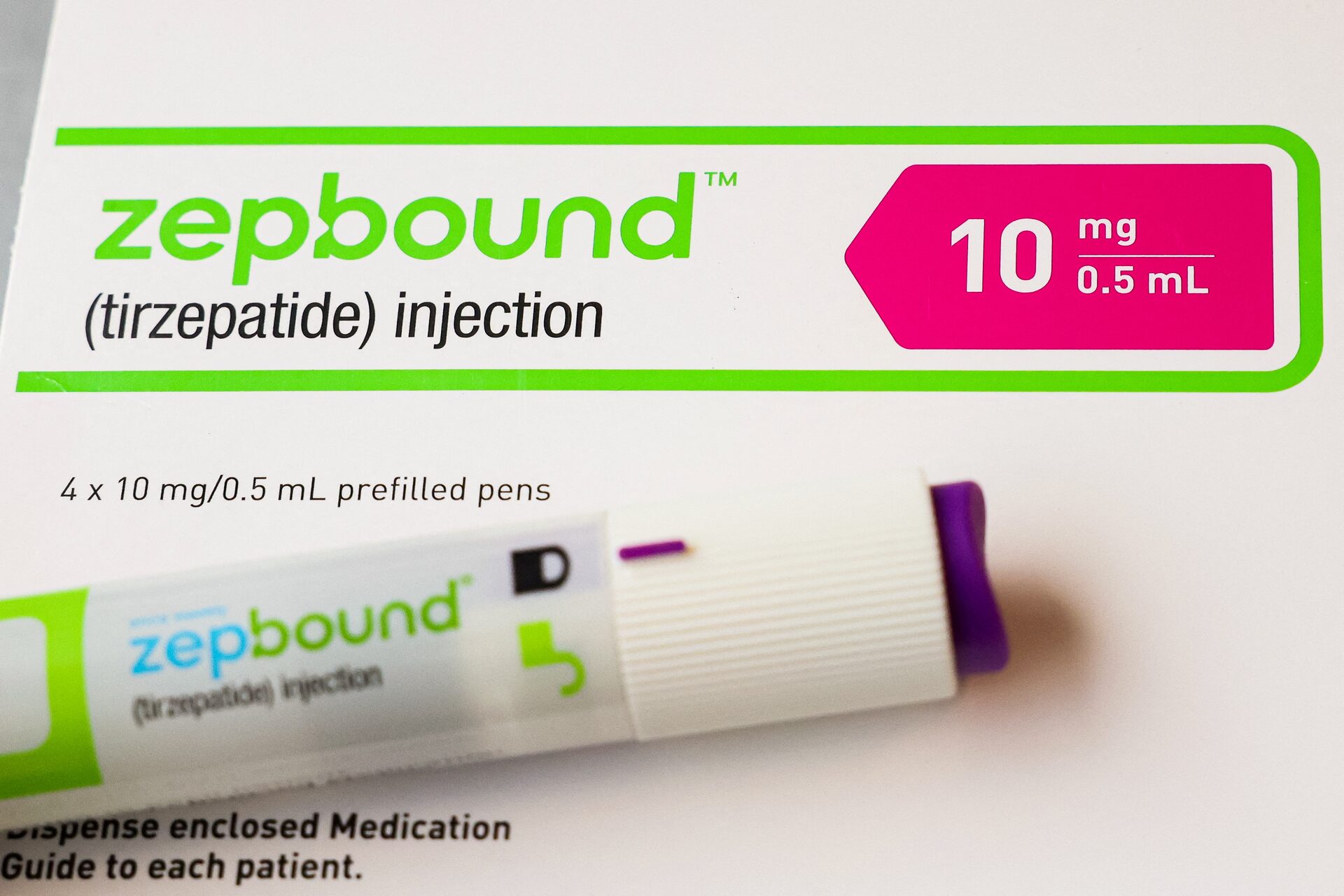
Under the arrangements, patients in the two companies' weight management programs can get Zepbound as single-use vials or single pens in doses from 2.5 mg to 15 mg, delivered to their homes [1][2]. Prices listed on the LillyDirect website at the time were $349 a month for the 2.5 mg vial and $499 for the 5 mg vial, with a promotion offering the higher 7.5 mg and 10 mg doses at $499 as well [2]. How long that promotional pricing will last has not been reported.
LifeMD had offered access to compounded versions of the drug and said it is prepared to respond to changes in the market [1]. Teladoc said it does not offer compounded versions and that its patients are prescribed branded medications [1]. LifeMD chairman and CEO Justin Schreiber said the integration with LillyDirect's self-pay pharmacy gives patients "seamless access to branded Zepbound vials at the newly reduced self-pay price" [2]. Kelly Bliss, president of Teladoc's U.S. Group Health, said integrating with LillyDirect reduces barriers and helps members "afford transformative FDA-approved treatments while avoiding the potential risks of compounded medications recently offered by others" [2].
The two companies bring scale. LifeMD had about 75,000 weight-loss customers and Teladoc had tens of thousands when the deals were announced [2]. Teladoc executives have said 1 million patients are enrolled in its chronic condition management programs, which include weight loss [2].
Compounded copies spread while Lilly's Zepbound and Novo Nordisk's Wegovy were on the Food and Drug Administration's shortage list [1]. Both brand-name drugs have since been removed from that list, and the FDA said in February that there was no longer a shortage of Wegovy and Ozempic, a declaration that curtails widespread sale of cheaper copies [1].
Why it matters for patients
For people paying out of pocket, the practical change is where the prescription comes from. Someone who was getting compounded tirzepatide through a telehealth program may now be routed to branded vials through Lilly's self-pay channel instead [1][2]. Teladoc framed the shift as a way to avoid what it called the potential risks of compounded medications [2].
Cost will depend on the dose and on whether a patient has insurance. The advertised cash prices of $349 to $499 a month apply to specific vial strengths, and the higher-dose promotion was listed at press time [2]. LifeMD said the LillyDirect integration complements its insurance-sponsored pharmacy programs, where it reports rising approval rates for branded GLP-1 therapies like Zepbound [2]. What patients who were on compounded versions will pay if they switch, and how many will make the change, has not been disclosed.
Patients of other telehealth companies may see similar options. Ro began offering single-dose vials of Zepbound in December and was directly integrated with LillyDirect's self-pay pharmacy [1].
What happens next
Citi analyst Daniel Grosslight said the agreement points to more deals of this kind, given that bulk compounding is likely to be significantly curtailed [1]. Lilly has been expanding its list of partners: besides the Teladoc and LifeMD deals, it launched its own direct-to-consumer weight-loss offering in January 2024 and has been building what one report described as a marketplace of access [2]. A date for when compounding of these drugs ends nationwide has not been reported.
Images from the sources
Sources
Semaglutides.org provides information only, not medical advice. Talk to a licensed provider about your own care before making changes. Some telehealth links are affiliate links and are labeled where they appear.