Eli Lilly casts comedian Kym Whitley in a Zepbound campaign built on her weight story
Lilly says a Zepbound campaign centered on comedian Kym Whitley's weight-cycling story reached more than 140 million impressions, a reminder that ads are how many patients first encounter these drugs.
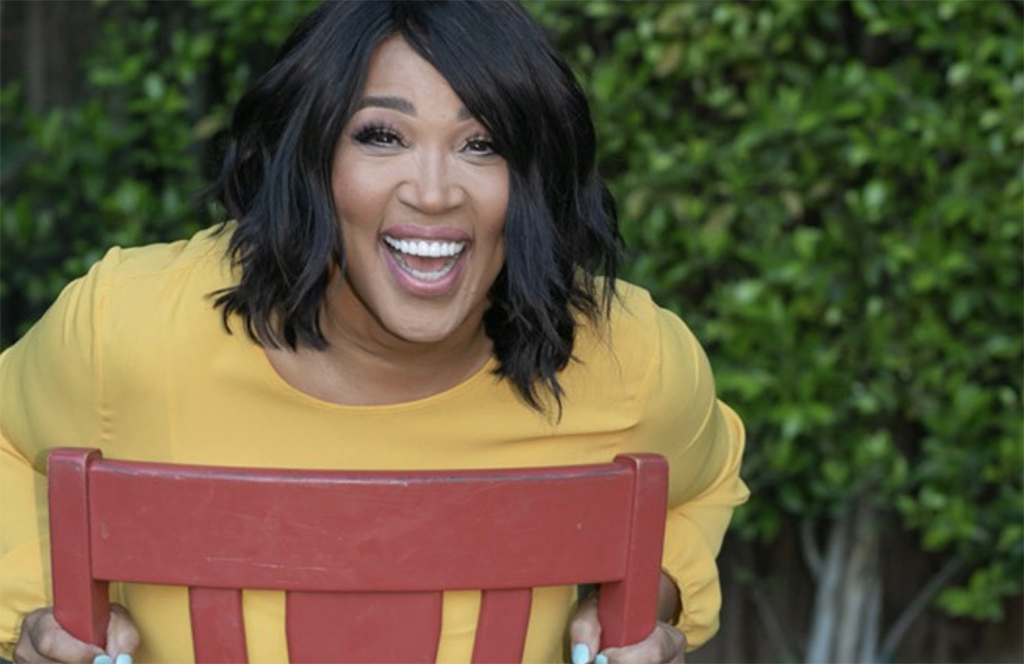
Comedian and actress Kym Whitley is working with Eli Lilly on a Zepbound campaign that tells her own story of losing and regaining weight. Lilly says that story has generated more than 140 million impressions [1].
Whitley appears alongside social media influencer Nita Danielle, and the campaign uses comedy instead of the before-and-after photography that weight-loss advertising often leans on [1]. Whitley, an Emmy-nominated performer, helped shape the messaging so it matched what she has actually lived through, and Lilly treated her comic background as an asset [1].
Tom Nowlin, associate VP of consumer marketing for Cardiometabolic Health at Lilly, said the light tone is intentional. Humor, he said, is "a way to relate to people," and he argued it would help push along a conversation about "open, honest, judgment free, stigma free support" [1]. His stated hope is that people then "get the help they need" [1].
The campaign also takes aim at the belief that obesity comes down to poor diet, lifestyle or willpower [1]. Nowlin described patients whose "body's working against you," people who lose weight, try the newest fad and end up putting it back on [1]. He said the science does not support the willpower explanation [1].
Lilly describes the media plan as a full "PESO" strategy — paid, earned, shared and owned — combining paid advertising with influencer and patient stories [1]. Whitley's account is framed around the frustration of weight fluctuation and the hope of finding medication and habits that last [1]. The campaign points readers to Lilly's own patient stories page and encourages conversations with healthcare providers about weight management [1]. Zepbound is Lilly's tirzepatide medicine.
Why it matters for patients
For most people, advertising is the first place they hear about GLP-1 drugs, and Lilly is counting this campaign's reach in impressions — more than 140 million of them [1]. That figure measures how many times content was seen. It says nothing about how well the drug works for any one person.
The announcement carried no clinical results, no pricing or insurance details, and no discussion of side effects [1]. It also did not disclose the terms of Whitley's partnership, how long she has taken Zepbound, what dose she uses, or whether she pays for the drug herself [1].
What the campaign does say is that its purpose is to reduce stigma and prompt people to talk with a healthcare provider [1]. Whether that changes what happens in exam rooms, or what insurers decide to cover, has not been reported.
What happens next
Lilly says it plans to extend the effort with social media activations and community events, including participation in Obesity Week [1]. No dates, locations or additional details for those activities have been reported [1].
Images from the sources

Sources
Semaglutides.org provides information only, not medical advice. Talk to a licensed provider about your own care before making changes. Some telehealth links are affiliate links and are labeled where they appear.