Lilly partners with JD Health to sell Mounjaro and Zepbound directly in China
The China-only deal builds out a direct-to-consumer channel for tirzepatide in a market of roughly 148 million adults with diabetes, though financial terms, drug prices and a launch date were not disclosed.
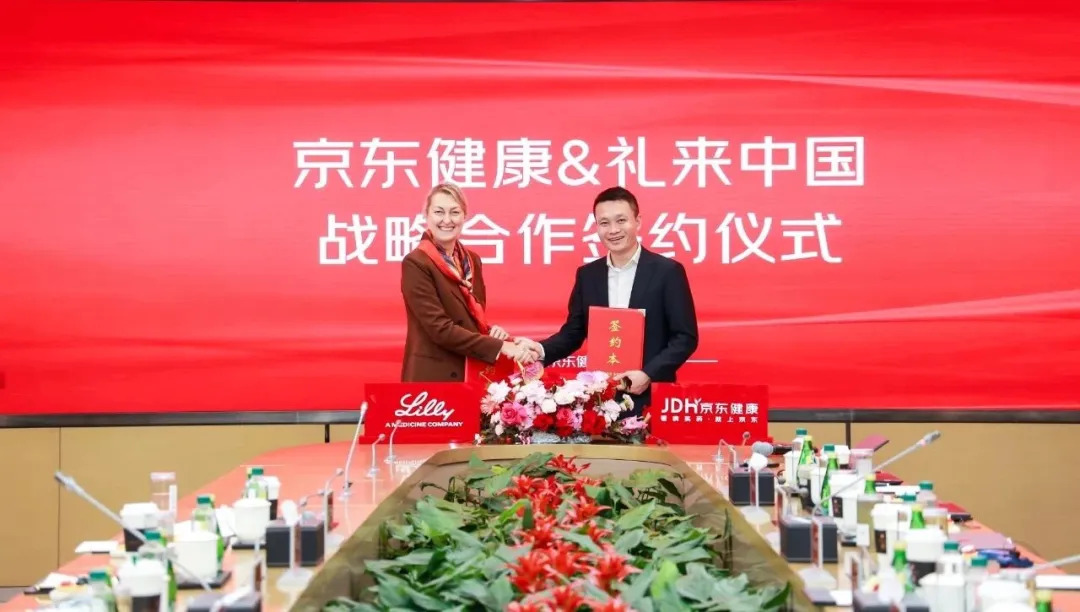
Eli Lilly will sell its obesity, Type 2 diabetes and alopecia areata medicines directly to consumers in China through a partnership with JD Health, according to an announcement the company posted on its WeChat channel on Friday, August 29, 2025 [1].
The two partners described the platform as a "one-stop" shop for chronic disease management [1]. It is designed to connect patients with online and offline consultations with healthcare providers, along with any prescriptions and shipments of Lilly's drugs that follow. It will also offer follow-up services for long-term care management and disease education resources [1].
That education runs on two tracks. One section of the digital health app gives patients information intended to increase their understanding of their diagnoses and care options. A separate set of tools is aimed at improving healthcare professionals' "professional disease management capabilities" [1]. The companies said the Chinese government has encouraged broader access to health education and long-term management tools to help prevent and treat chronic diseases [1].
The patient population behind the deal is large. There are an estimated 148 million adults in China with diabetes and more than 500 million who are overweight or obese, figures the announcement frames as major opportunities for Lilly's Mounjaro and Zepbound, respectively [1]. Mounjaro and Zepbound are both tirzepatide; Mounjaro is Lilly's brand for Type 2 diabetes and Zepbound is its brand for obesity.
The JD Health tie-up is the latest step in a broader China push by Lilly. The company named a new president of its China business last year, and CEO David Ricks later traveled to meet China's commerce minister, where he reportedly expressed a commitment to increasing investment and research cooperation in the country [1]. Both Mounjaro and Zepbound have since won Chinese approvals, and Lilly announced a $200 million expansion of its manufacturing site in Suzhou, largely to meet demand for the two drugs [1]. More recently, Lilly's mazdutide won a first-in-class approval in China for chronic weight management, introducing a new class of competitor in the GLP-1 space, though local biopharma Innovent Biologics holds the rights to the dual GLP-1/glucagon receptor agonist in the country [1].
Several details were not disclosed. The announcement did not include the financial terms of the deal, the prices at which the drugs will be sold, a launch date, or which specific medicines will be listed first [1]. Lilly and JD Health said only that they plan to keep expanding the collaboration to offer Chinese patients direct-to-consumer access to treatments and care services across more disease areas [1].
Why it matters for patients
This is a China-only arrangement. Nothing in the announcement changes how Mounjaro or Zepbound are prescribed, dispensed, covered by insurance or priced in the United States [1]. For US patients already taking tirzepatide or weighing whether to start, the deal does not alter availability or cost on this side of the Pacific, and no US pricing or supply change was described.
What the deal does show is how a manufacturer is testing a direct-to-consumer model: a single digital platform that handles consultations, prescriptions, delivery, follow-up and education rather than routing patients through separate clinics and pharmacies [1]. That approach is part of a wider industry push toward more direct-to-consumer access to these drugs [1]. It also shows where Lilly expects future volume to come from, given the size of the Chinese obesity and diabetes populations it cites [1].
For patients watching supply, demand growth in another large market is relevant context: Lilly has already spent $200 million expanding its Suzhou manufacturing site, largely to meet demand for Mounjaro and Zepbound [1]. Whether that expansion and this new sales channel affect global supply has not been stated.
What happens next
Lilly and JD Health said they intend to grow the partnership into additional disease areas beyond obesity, Type 2 diabetes and alopecia areata [1]. No timeline, pricing schedule or launch date for the platform has been reported [1].
Sources
Semaglutides.org provides information only, not medical advice. Talk to a licensed provider about your own care before making changes. Some telehealth links are affiliate links and are labeled where they appear.