Texas sues Eli Lilly over alleged kickbacks tied to Mounjaro and Zepbound
A state lawsuit targets how Eli Lilly encouraged prescriptions for Mounjaro and Zepbound, not the drugs' safety, and no change to Texas Medicaid coverage has been announced.
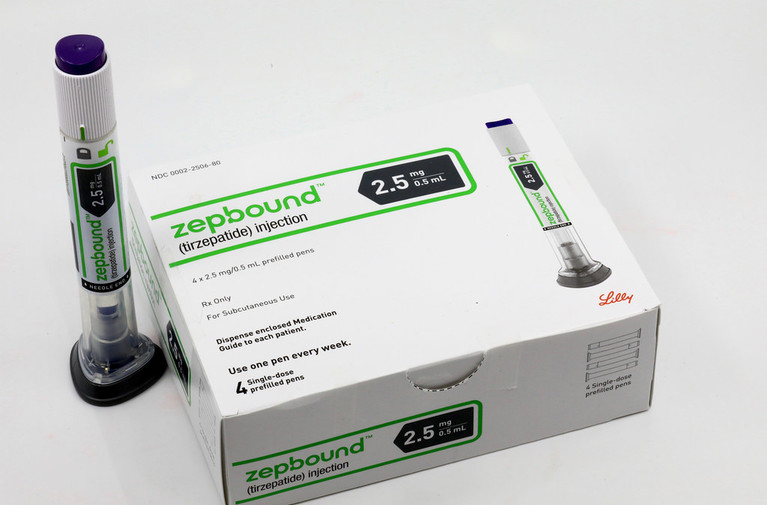
Texas Attorney General Ken Paxton and a co-plaintiff, Health Choice Alliance, sued Eli Lilly & Co. on Aug. 12, 2025, alleging the company used illegal inducements to steer medical providers toward prescribing its drugs, including the GLP-1 medications Mounjaro and Zepbound [1][2][3]. The case is captioned State of Texas and Health Choice Alliance, LLC v. Eli Lilly & Co. [3].
The petition describes two programs. In the "Free Nurse Program," Lilly allegedly provided what the filing calls in-kind remuneration to providers — free patient-care services — either directly or through third parties. In the "Support Services Program," the company allegedly gave providers kickbacks in the form of reimbursement support services. Both were meant to encourage prescriptions of Lilly's products, the lawsuit claims [2].
Paxton's office said the practices violated the Texas Health Care Program Fraud Prevention Act, and that many of the resulting prescriptions were covered by Medicaid. That, the state says, left millions of dollars in Texas Medicaid claims "tainted by Eli Lilly's illegal marketing and quid pro quo arrangements" [1][2].
"Big Pharma compromised medical decision-making by engaging in an illegal kickback scheme," Paxton said in a statement. "Eli Lilly fraudulently sought to maximize profits at taxpayer expense and put corporate greed over people's health." He added, "I will not stand by while corporations unlawfully manipulate our healthcare system to line their own pockets" [1][2].
Beyond Mounjaro and Zepbound, the suit says the programs were used to encourage prescriptions of Eli Lilly products including Basaglar for type 1 diabetes, Ebglyss for eczema, Emgality for migraine, several insulin products and Taltz for inflammatory conditions [2].
Lilly disputes the allegations. "Multiple courts and the federal government have rejected claims by this same corporate relator against Lilly as meritless," a company spokesperson said, adding that Lilly will "vigorously defend against these allegations" [2]. Health Choice Alliance sued Lilly in 2017 over similar allegations involving free nursing services tied to Humalog, Humulin and Forteo. A federal judge in Texas dismissed that case in August 2018, finding the facts stated were not specific enough, and the Fifth Circuit Court of Appeals upheld the dismissal in 2021 [2]. The spokesperson said the federal government concluded the relator's allegations "lack sufficient factual and legal support," and pointed to the government's view that federal healthcare programs "have a strong interest in ensuring that, after a physician has appropriately prescribed a medication, patients have access to basic product support relating to their medication" [2].
Texas has also pursued Lilly on other fronts. In October 2024, the state accused several major pharmacy benefit managers, along with Lilly, Novo Nordisk and Sanofi, of raising insulin prices and then paying undisclosed sums back to the benefit managers [2].
Why it matters for patients
The allegations concern how prescriptions were encouraged, not whether the medicines work. The lawsuit does not claim that Mounjaro or Zepbound is unsafe or ineffective [1][2]. Mounjaro and Zepbound contain tirzepatide. Semaglutide products — Ozempic, Wegovy and Rybelsus — are not named in this case [1][2].
For people covered by Texas Medicaid, no change to coverage of these drugs has been announced as part of the suit [1][2]. Patient support programs such as nursing help and reimbursement assistance are widely offered in the drug industry, and the federal government has said patients should have access to basic product support after an appropriate prescription [2]. This case tests whether the two specific Lilly programs crossed from support into illegal inducement [1][2]. It is a state enforcement action in Texas; how it might affect programs offered by other manufacturers or in other states has not been reported [1][2].
What happens next
Lilly says it will defend the case [2]. No hearing date, trial date or ruling has been disclosed [1][2]. Paxton's office said the lawsuit builds on earlier legal action against Lilly and other drugmakers over fraud and abuse [1].
Images from the sources
Sources
- https://www.texasattorneygeneral.gov/news/releases/attorney-general-ken-paxton-sues-big-pharma-drug-manufacturer-eli-lilly-bribing-providers-prescribe
- https://www.fiercepharma.com/pharma/eli-lilly-pledges-vigorous-defense-texas-ag-and-return-relator-sue-over-alleged-kickback
- https://www.law.com/texaslawyer/2025/08/13/texas-sues-eli-lilly-big-pharma-compromised-medical-decision-making/
Semaglutides.org provides information only, not medical advice. Talk to a licensed provider about your own care before making changes. Some telehealth links are affiliate links and are labeled where they appear.